
The Importance of Troubleshooting in Plastic Recycling
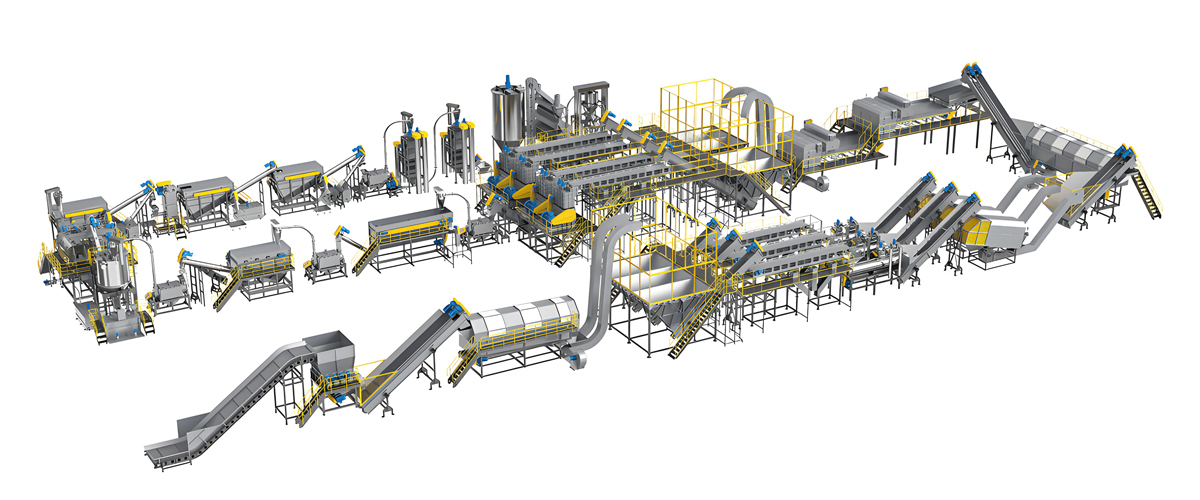
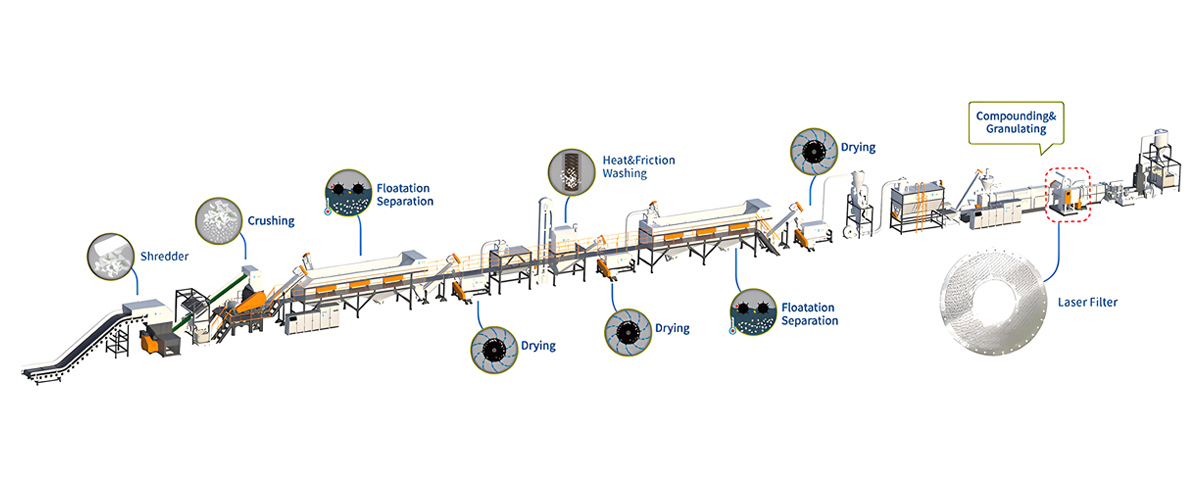
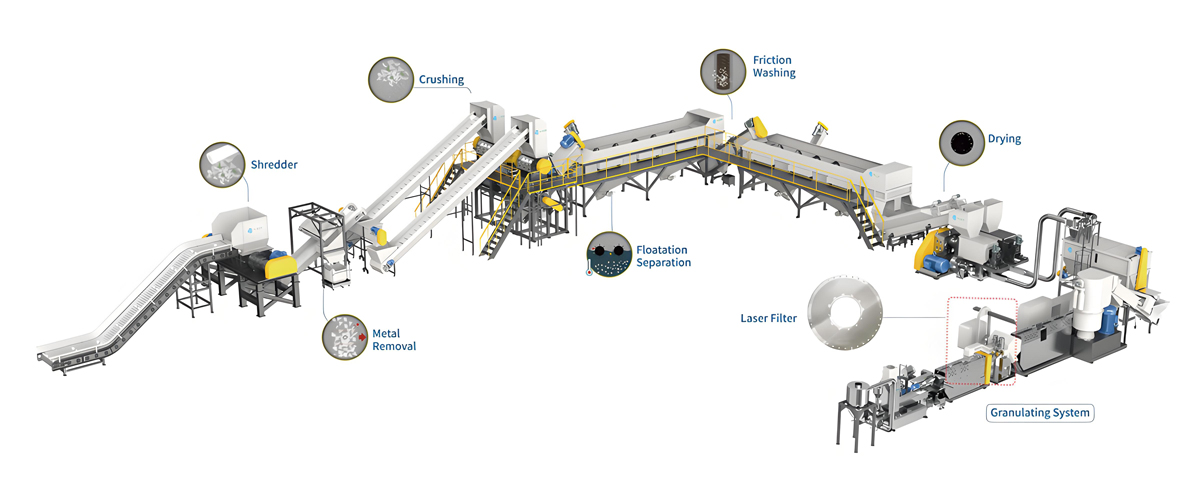
In 2026, plastic recycling has become an essential part of the global effort to reduce plastic waste and achieve a circular economy. However, plastic recycling machines can encounter various problems during operation, which can affect the efficiency and quality of the recycling process. Troubleshooting these problems is crucial to ensure that the recycling machine operates smoothly and efficiently, and that the recycled plastic has high quality and performance. This article will discuss some of the common problems that can occur in plastic recycling machines and provide practical solutions to troubleshoot them.
Common Problems in Plastic Recycling Machines and Their Solutions
Feeding Instability
Feeding instability is one of the most common problems in plastic recycling machines. It occurs when the plastic waste is not fed into the machine evenly or continuously, which can cause issues such as overfeeding, underfeeding, or blockages in the feeding system. Feeding instability can be caused by various factors, including improper feeding speed, inconsistent size and shape of the plastic waste, and mechanical problems in the feeding system.
To troubleshoot feeding instability, it is important to first identify the root cause of the problem. If the feeding speed is too fast or too slow, it can be adjusted using the PLC touch screen control system. If the plastic waste has inconsistent size and shape, it can be sorted and shredded to ensure that it is uniform in size and shape. If there are mechanical problems in the feeding system, such as worn-out belts or gears, they should be repaired or replaced.
Another solution to feeding instability is to use an automatic material feeding system, such as a belt conveyor or a screw conveyor, that works synchronously with the plastic recycling machine. These systems can provide stable and uniform feeding of the plastic waste, reducing the risk of overfeeding or underfeeding. Additionally, using a metal detector in the feeding system can help to detect and remove any metal contaminants in the plastic waste, preventing damage to the recycling machine.
Contamination of the Plastic Material
Contamination of the plastic material is another common problem in plastic recycling machines. It occurs when the plastic waste contains dirt, food residues, labels, adhesives, or other contaminants, which can affect the quality and performance of the recycled plastic. Contamination can also cause issues during the recycling process, such as clogging machinery, reducing the efficiency of the process, and affecting the appearance of the final product.
To troubleshoot contamination of the plastic material, it is important to ensure that the plastic waste is clean and sorted before it is fed into the recycling machine. Dirty post-consumer plastic waste should be washed and dried before the recycling process. Sorting the plastic waste by type can also help to reduce contamination, as different types of plastics may have different levels of contamination.
Additionally, using a filter screen in the extrusion system can help to remove any remaining contaminants in the molten plastic. The filter screen should be regularly cleaned or replaced to ensure that it is effective in removing contaminants. Using a self-cleaning filter system can also help to reduce downtime and improve the efficiency of the recycling process.
Blockages and Hopper Bridging
Blockages and hopper bridging are common problems in plastic recycling machines, especially in the feeding system and the extrusion system. Blockages occur when the plastic waste or molten plastic accumulates in the machine, preventing the flow of material. Hopper bridging occurs when the plastic waste forms a bridge in the hopper, preventing it from being fed into the machine. Blockages and hopper bridging can be caused by various factors, including improper preparation of the plastic waste, mechanical problems in the machine, and incorrect process parameters.
To troubleshoot blockages and hopper bridging, it is important to first identify the location and cause of the problem. If the blockage is in the feeding system, the plastic waste should be removed and the feeding system should be cleaned. If the blockage is in the extrusion system, the machine should be shut down and the extruder should be cleaned. To prevent hopper bridging, the plastic waste should be properly prepared and sorted, and a force feeder or an automatic feeding system should be used.
Additionally, adjusting the process parameters, such as temperature, pressure, and screw speed, can help to reduce the risk of blockages and hopper bridging. For example, increasing the temperature of the extruder can help to improve the flowability of the molten plastic, reducing the risk of blockages. Reducing the feeding speed can also help to prevent overfeeding and blockages in the feeding system.
Overheating
Overheating is a common problem in plastic recycling machines, especially in the extrusion system. It occurs when the plastic waste or molten plastic is heated to a temperature that is too high, which can cause degradation of the plastic, reducing its quality and performance. Overheating can also cause issues such as discoloration, bubbling, and poor mechanical properties of the recycled plastic.
To troubleshoot overheating, it is important to first identify the cause of the problem. If the temperature of the extruder is set too high, it should be adjusted using the PLC touch screen control system. If there is a problem with the heating elements or the temperature sensors, they should be repaired or replaced. Additionally, ensuring that the cooling system is working properly can help to prevent overheating. The cooling system should be regularly cleaned and maintained to ensure that it is effective in cooling the extruder and the molten plastic.
Another solution to overheating is to use a screw with a lower compression ratio, which can reduce the amount of heat generated during the extrusion process. Additionally, using a lubricant or a processing aid can help to improve the flowability of the molten plastic, reducing the amount of heat generated during the extrusion process.
Sticky Plastic Pellets
Sticky plastic pellets are a common problem in plastic recycling machines, especially in the pelletizing system. They occur when the molten plastic strands stick together after they are cut into pellets, which can cause issues such as clumping, poor flowability, and inconsistent size and shape of the pellets. Sticky plastic pellets can be caused by various factors, including incorrect cooling temperature, insufficient cooling time, and high moisture content in the plastic waste.
To troubleshoot sticky plastic pellets, it is important to first identify the cause of the problem. If the cooling temperature is too high, it should be adjusted to ensure that the plastic strands are cooled quickly and evenly. If the cooling time is insufficient, it should be increased to ensure that the plastic strands are fully cooled before they are cut into pellets. If the plastic waste has high moisture content, it should be dried before it is fed into the recycling machine.
Additionally, using a centrifugal dryer or a vibrating tray dryer can help to remove any residual moisture from the plastic pellets, reducing the risk of stickiness. Using a pelletizing oil or a release agent can also help to reduce the stickiness of the plastic pellets, improving their flowability and handling properties.
Hollow Plastic Pellets
Hollow plastic pellets are another common problem in plastic recycling machines. They occur when the molten plastic contains air bubbles or moisture, which can cause the pellets to have a hollow or porous structure. Hollow plastic pellets have lower density and mechanical properties compared to solid pellets, which can affect the quality and performance of the recycled plastic.
To troubleshoot hollow plastic pellets, it is important to first identify the cause of the problem. If the plastic waste has high moisture content, it should be dried before it is fed into the recycling machine. If there are air bubbles in the molten plastic, it can be removed using a vacuum degassing system. The vacuum degassing system can be installed in the extruder to remove the air bubbles and moisture from the molten plastic, ensuring that the pellets are solid and dense.
Additionally, adjusting the process parameters, such as temperature, pressure, and screw speed, can help to reduce the risk of hollow plastic pellets. For example, increasing the temperature of the extruder can help to improve the flowability of the molten plastic, reducing the amount of air bubbles trapped in the plastic. Reducing the screw speed can also help to reduce the amount of shear heat generated during the extrusion process, reducing the risk of degradation and bubbling.
Non-uniform Pellets or Chunks
Non-uniform pellets or chunks are a common problem in plastic recycling machines, especially in the pelletizing system. They occur when the molten plastic strands are not cut evenly or consistently, which can cause the pellets to have inconsistent size, shape, and weight. Non-uniform pellets or chunks can be caused by various factors, including worn-out pelletizing knives, incorrect cutting speed, and mechanical problems in the pelletizing system.
To troubleshoot non-uniform pellets or chunks, it is important to first identify the cause of the problem. If the pelletizing knives are worn-out, they should be sharpened or replaced. If the cutting speed is incorrect, it can be adjusted using the PLC touch screen control system. If there are mechanical problems in the pelletizing system, such as misaligned knives or worn-out bearings, they should be repaired or replaced.
Additionally, using an auto speed and pressure-controlled pellet cutting system can help to ensure that the plastic strands are cut evenly and consistently. These systems can adjust the cutting speed based on the speed of the molten plastic coming out from the die head, ensuring that the pellets have uniform size and shape. Using a water ring pelletizer can also help to improve the quality of the pellets, as it cools the plastic strands quickly and evenly, reducing the risk of clumping and non-uniformity.
Preventive Maintenance to Reduce Common Problems
Preventive maintenance is crucial to reduce the occurrence of common problems in plastic recycling machines. It involves regularly inspecting, cleaning, and maintaining the machine to ensure that it operates smoothly and efficiently. Preventive maintenance can help to detect and address potential problems before they become major issues, reducing the risk of breakdowns and downtime.
Regular Inspection and Cleaning
Regular inspection and cleaning of the plastic recycling machine are essential to prevent problems such as blockages, contamination, and overheating. The machine should be inspected daily for any signs of wear and tear, damage, or malfunction. The feeding system, extrusion system, and pelletizing system should be cleaned regularly to remove any dirt, debris, or plastic residues that may accumulate in the machine.
Additionally, the filter screens in the extrusion system should be regularly cleaned or replaced to ensure that they are effective in removing contaminants. The cooling system should also be regularly cleaned and maintained to ensure that it is working properly and that the molten plastic is cooled evenly.
Lubrication of Moving Parts
Lubrication of the moving parts in the plastic recycling machine is important to reduce friction and wear, and to ensure that the machine operates smoothly. The bearings, gears, and other moving parts should be lubricated regularly using the appropriate type of lubricant. It is important to follow the manufacturer’s recommendations for lubrication intervals and the type of lubricant to use.
Replacement of Worn-out Parts
Worn-out parts in the plastic recycling machine should be replaced promptly to prevent further damage and to ensure that the machine operates efficiently. Common worn-out parts include belts, gears, bearings, and pelletizing knives. It is important to use high-quality replacement parts that are compatible with the machine to ensure that they have the same performance and durability as the original parts.
Training of Operators
Training of operators is crucial to ensure that they have the knowledge and skills to operate the plastic recycling machine properly and to troubleshoot common problems. Operators should be trained on how to use the PLC touch screen control system, how to adjust the process parameters, and how to perform basic maintenance tasks. They should also be trained on how to identify and respond to potential problems, such as blockages, overheating, and contamination.
POLYRETEC Plastic Recycling Machines and Their Troubleshooting Support
POLYRETEC is a leading manufacturer of plastic recycling machines, offering a range of high-quality and reliable machines for various recycling needs. Their machines are designed to be easy to operate and maintain, and they come with comprehensive troubleshooting support to help operators resolve common problems.
POLYRETEC After-Sales Service and Support
POLYRETEC provides comprehensive after-sales service and support to their customers, including installation, training, maintenance, and spare parts supply. Their team of experienced engineers is available to provide on-site support and troubleshooting services to ensure that the recycling machine operates smoothly and efficiently. Additionally, POLYRETEC offers a one-year warranty on their machines, covering any defects in materials or workmanship.
POLYRETEC Technical Documentation and Manuals
POLYRETEC provides detailed technical documentation and manuals for their plastic recycling machines, including operation manuals, maintenance manuals, and troubleshooting guides. These manuals provide step-by-step instructions on how to operate the machine, how to perform maintenance tasks, and how to troubleshoot common problems. They also include diagrams, illustrations, and technical specifications to help operators understand the machine and its components.
POLYRETEC Remote Monitoring and Diagnostic Services
POLYRETEC offers remote monitoring and diagnostic services for their plastic recycling machines, allowing operators to monitor the machine’s performance and diagnose potential problems remotely. These services use advanced sensors and software to collect data on the machine’s operation, such as temperature, pressure, and screw speed. The data is analyzed in real-time to detect any anomalies or potential problems, and operators are alerted to take corrective actions.
Conclusion: Ensuring Smooth and Efficient Operation of Plastic Recycling Machines
Troubleshooting common problems in plastic recycling machines is crucial to ensure that the machine operates smoothly and efficiently, and that the recycled plastic has high quality and performance. By understanding the common problems that can occur in plastic recycling machines and their solutions, operators can take proactive measures to prevent and resolve these problems. Additionally, implementing preventive maintenance practices can help to reduce the occurrence of common problems and extend the service life of the machine. POLYRETEC plastic recycling machines are designed to be reliable and easy to operate, and they come with comprehensive troubleshooting support to help operators resolve any issues that may arise. By following the guidelines and recommendations provided in this article, operators can ensure that their plastic recycling machine operates at its optimal performance, contributing to a more sustainable and circular economy.