
The Importance of High-Quality Recycled Granules
In 2026, the demand for high-quality recycled plastic granules continues to grow as companies and consumers increasingly prioritize sustainability and circular economy principles. Recycled plastic granules, also known as recycled plastic pellets or resins, are small, uniformly shaped beads made from processed plastic waste. These granules can be used as raw materials for manufacturing a wide range of plastic products, including packaging materials, automotive parts, construction materials, and consumer goods. High-quality recycled granules have properties that are comparable to virgin plastic, making them a cost-effective and sustainable alternative to virgin plastic.
The Process of Converting Waste Plastic into Recycled Granules
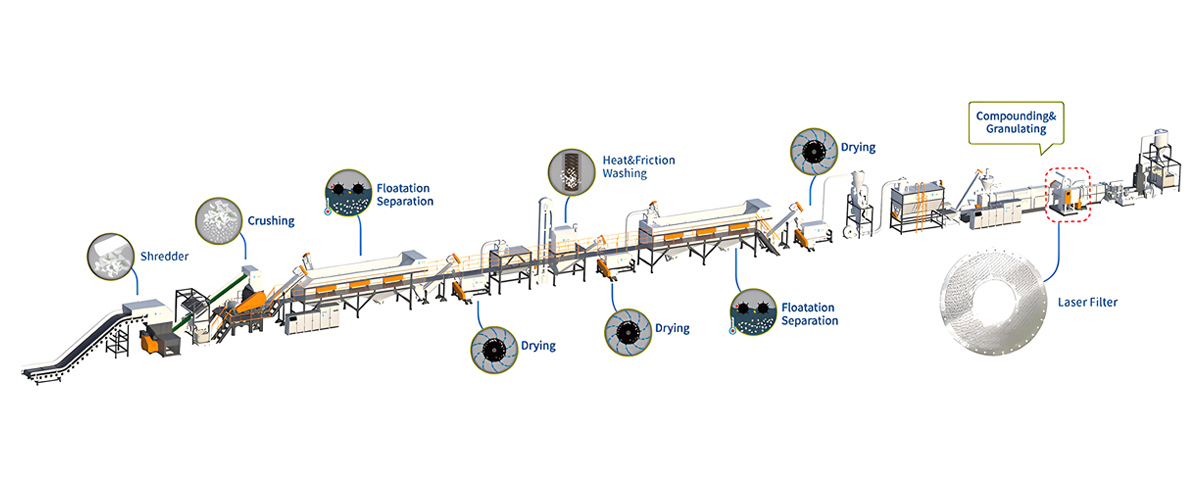
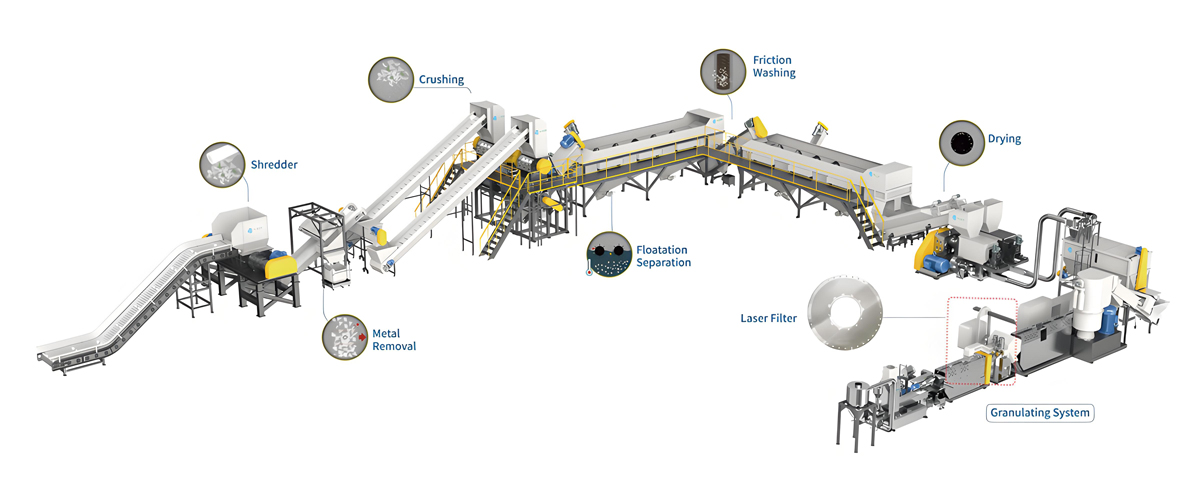
Converting waste plastic into high-quality recycled granules involves several steps, each of which is critical to ensuring the quality and performance of the final product. The process typically includes collection and sorting, cleaning and shredding, melting and extrusion, pelletizing, cooling and drying, and packaging and distribution.
Collection and Sorting
The first step in the process is to collect and sort the plastic waste. Plastic waste can come from various sources, including post-consumer waste (such as bottles, containers, and packaging materials) and post-industrial waste (such as factory scraps and off-cuts). It is important to sort the plastic waste by type (e.g., PET, HDPE, LDPE, PP, PS) to ensure that the recycled granules have consistent properties and quality. Sorting can be done manually or using automated sorting technologies, such as optical sorters, density separators, and electrostatic separators.
Cleaning and Shredding
After sorting, the plastic waste is cleaned to remove dirt, labels, adhesives, and other contaminants. Cleaning can be done using water, detergents, and mechanical scrubbing. For heavily contaminated plastic waste, additional cleaning steps, such as soaking in alkaline water or warm washing liquid, may be required. Once cleaned, the plastic waste is shredded into small flakes or chips using a plastic crusher or shredder. Shredding makes the plastic waste easier to melt and process during the extrusion and pelletizing stages.
Melting and Extrusion
The shredded plastic flakes are then melted in a high-temperature extruder. The extruder heats the plastic flakes to a temperature that is sufficient to melt them, typically between 160°C and 270°C, depending on the type of plastic. The molten plastic is then forced through a die plate, which shapes it into thin, spaghetti-like strands. The extruder also helps to mix and homogenize the molten plastic, ensuring that the recycled granules have consistent properties and quality.
Pelletizing
The molten plastic strands are then cooled in a water bath to solidify them. Once cooled, the strands are cut into uniform granules using a rotating knife system, also known as a pelletizer. The size and shape of the granules can be adjusted by changing the die plate and the speed of the rotating knife system. Pelletizing ensures that the recycled granules have consistent size and shape, making them easier to handle and process during the manufacturing of new plastic products.
Cooling and Drying
After pelletizing, the recycled granules are further cooled and dried to remove any residual moisture. Cooling can be done using air coolers or water baths, while drying can be done using vibrating trays, air dryers, or centrifugal dryers. Removing moisture from the recycled granules is important to prevent the formation of bubbles or defects in the final plastic products.
Packaging and Distribution
The final step in the process is to package and distribute the recycled granules. The granules are typically packed in bags or bulk containers, such as drums or silos, and labeled with information about their type, quality, and properties. The packaged granules are then distributed to manufacturers who use them as raw materials for manufacturing new plastic products.
Key Factors Affecting the Quality of Recycled Granules
Several factors can affect the quality of recycled plastic granules, including the type and quality of the plastic waste, the cleaning and shredding process, the extrusion and pelletizing parameters, and the cooling and drying conditions. To ensure that the recycled granules have high quality and performance, it is important to control these factors carefully.
Type and Quality of Plastic Waste
The type and quality of the plastic waste used as feedstock can have a significant impact on the quality of the recycled granules. Different types of plastics have different properties and characteristics, which can affect the melting point, viscosity, and mechanical properties of the recycled granules. Additionally, contaminated or degraded plastic waste can reduce the quality of the recycled granules, as it may contain impurities or have lower molecular weight.
Cleaning and Shredding Process
The cleaning and shredding process is critical to removing contaminants and reducing the size of the plastic waste. Inadequate cleaning can leave behind dirt, labels, or other contaminants, which can affect the quality of the recycled granules. Similarly, improper shredding can result in unevenly sized plastic flakes, which can cause issues during the extrusion and pelletizing stages.
Extrusion and Pelletizing Parameters
The extrusion and pelletizing parameters, such as temperature, pressure, screw speed, and die plate design, can also affect the quality of the recycled granules. It is important to optimize these parameters to ensure that the plastic is melted and mixed uniformly, and that the granules have consistent size, shape, and properties. For example, increasing the temperature can improve the flowability of the molten plastic, but it can also cause degradation of the plastic if it is too high.
Cooling and Drying Conditions
The cooling and drying conditions can affect the moisture content and mechanical properties of the recycled granules. It is important to cool the granules quickly and evenly to prevent them from sticking together or deforming. Additionally, drying the granules thoroughly can remove any residual moisture, which can prevent the formation of bubbles or defects in the final plastic products.
Enhancing the Quality of Recycled Granules with Additives
To further enhance the quality and performance of recycled plastic granules, various additives can be added during the extrusion and pelletizing process. Additives can help to improve the mechanical properties, thermal stability, UV resistance, and processability of the recycled granules, making them suitable for use in a wider range of applications.
Compounding Agents
Compounding agents, such as fillers, reinforcements, and plasticizers, can be added to the recycled granules to improve their mechanical properties, such as tensile strength, impact resistance, and stiffness. Fillers, such as calcium carbonate, talc, and glass fibers, can increase the density and hardness of the recycled granules, while reinforcements, such as carbon fibers and aramid fibers, can improve their strength and modulus. Plasticizers, such as phthalates and adipates, can increase the flexibility and ductility of the recycled granules.
Stabilizers
Stabilizers, such as antioxidants, heat stabilizers, and UV stabilizers, can be added to the recycled granules to improve their thermal stability and resistance to degradation. Antioxidants can prevent the plastic from oxidizing and becoming brittle during processing and use, while heat stabilizers can protect the plastic from thermal degradation at high temperatures. UV stabilizers can protect the plastic from the harmful effects of UV radiation, preventing it from fading, cracking, or becoming brittle when exposed to sunlight.
Colorants and Pigments
Colorants and pigments can be added to the recycled granules to give them a specific color or appearance. Colorants can be either organic or inorganic, and they can be added in the form of powders, pastes, or masterbatches. Pigments can provide opaque or translucent colors, while dyes can provide transparent colors. Adding colorants and pigments can help to match the color of the recycled granules to the desired product, making them more visually appealing and marketable.
POLYRETEC Plastic Recycling Machines for High-Quality Recycled Granules
POLYRETEC is a leading manufacturer of plastic recycling equipment, offering a range of machines and systems for converting waste plastic into high-quality recycled granules. Their machines are designed to handle various types of plastic waste and can produce recycled granules with consistent size, shape, and quality.
POLYRETEC Pelletizing Lines
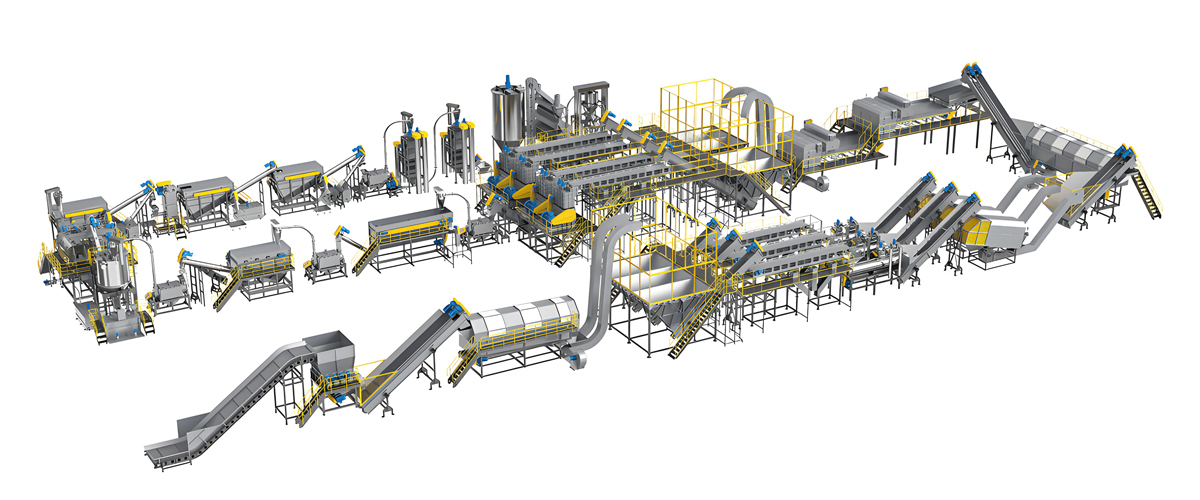
POLYRETEC’s pelletizing lines are designed to convert cleaned plastic waste into high-quality recycled plastic granules. These lines use advanced extrusion and pelletizing technologies to ensure that the recycled granules have consistent size, shape, and quality. The pelletizing lines can handle various types of plastic waste, including PET, HDPE, LDPE, PP, and PS, and can produce granules with different sizes and properties to meet the specific requirements of different applications.
POLYRETEC Washing Lines
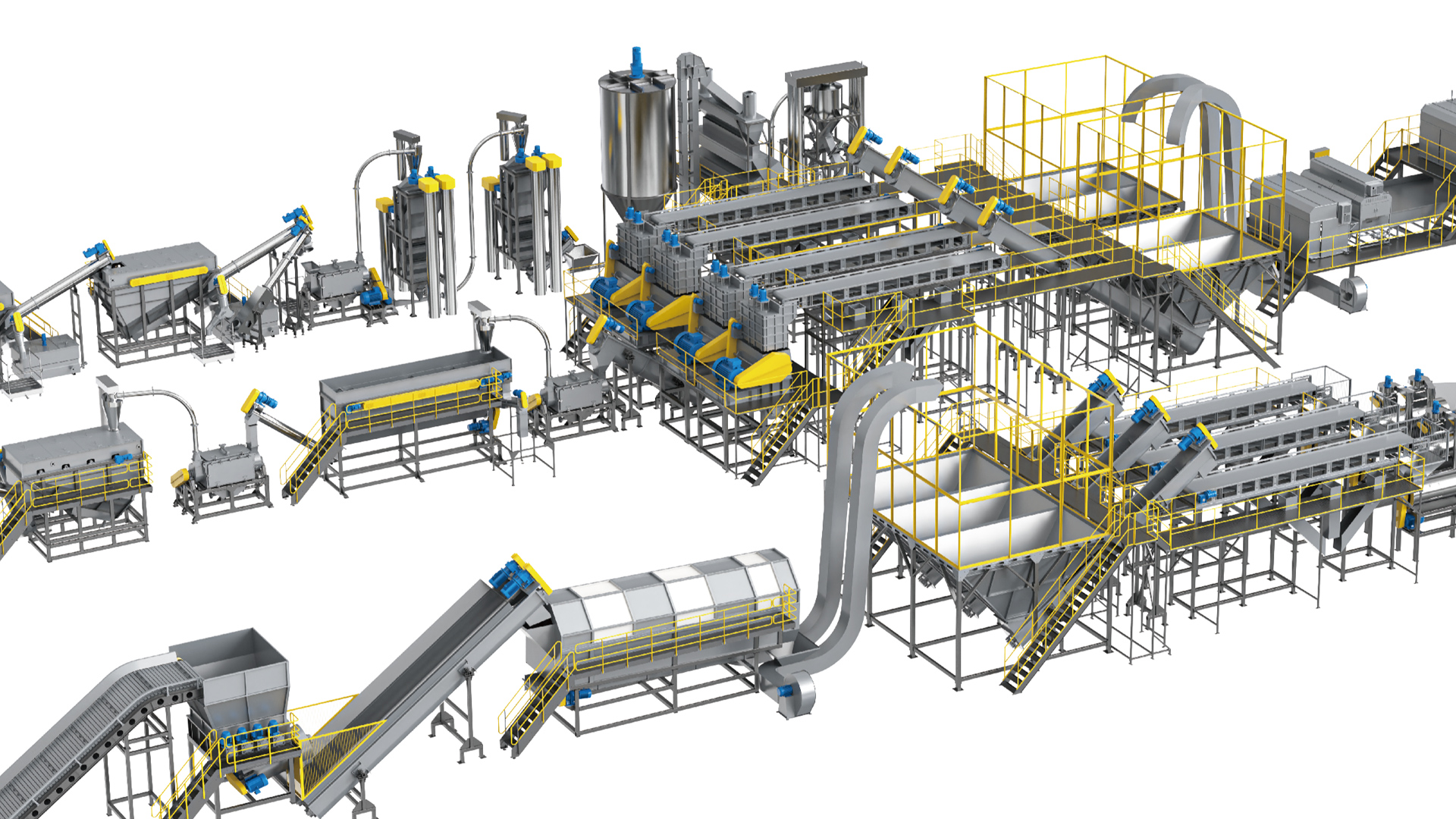
POLYRETEC’s washing lines are designed to clean and sort plastic waste, removing contaminants and separating different types of plastics. The washing lines can handle various types of plastic waste, including PET bottles, rigid bottles, and soft plastics, and can produce clean and sorted plastic flakes that are ready for extrusion and pelletizing. The washing lines use advanced cleaning and sorting technologies, such as water baths, centrifuges, and optical sorters, to ensure that the plastic waste is thoroughly cleaned and sorted.
POLYRETEC Auxiliary Equipment
In addition to pelletizing lines and washing lines, POLYRETEC also offers a range of auxiliary equipment, such as shredders, dryers, and filters, that can be used to enhance the efficiency and effectiveness of the recycling process. These auxiliary equipment can help to reduce the amount of waste generated during the recycling process, improve the quality of the recycled granules, and ensure that the recycling process is environmentally friendly.
Case Studies: Successful Conversion of Waste Plastic into High-Quality Recycled Granules
Several companies and organizations have successfully converted waste plastic into high-quality recycled granules using POLYRETEC plastic recycling machines and advanced recycling technologies. These case studies demonstrate the effectiveness of these solutions in achieving sustainable recycling goals and producing high-quality recycled granules.
Taiwan PP PE Plastic Film Washing Machine
A customer in Taiwan implemented a POLYRETEC PP PE plastic film washing machine to recycle PP and PE plastic films. The washing machine is designed to effectively clean and sort the plastic films, removing contaminants and separating the PP and PE films from other types of plastics. The clean and sorted plastic films are then processed into high-quality recycled granules using a POLYRETEC pelletizing line. The recycled granules have consistent size, shape, and quality, making them suitable for use in the production of new plastic products.
Vietnam PP Non-woven Fabric/TPE Gloves Project
A customer in Vietnam implemented a POLYRETEC PP non-woven fabric/TPE gloves project to recycle PP non-woven fabrics and TPE gloves. The project uses a combination of POLYRETEC washing lines and pelletizing lines to convert the waste plastic into high-quality recycled granules. The recycled granules have high purity and performance, making them suitable for use in the production of new non-woven fabrics and TPE gloves. The project has helped the customer to reduce their reliance on virgin plastic, lower their production costs, and achieve their sustainability goals.
Conclusion: Achieving Sustainable Recycling with High-Quality Recycled Granules
Converting waste plastic into high-quality recycled granules is an important step towards achieving sustainable recycling and a circular economy. By using advanced recycling technologies and POLYRETEC plastic recycling machines, companies and organizations can convert plastic waste into valuable raw materials, reduce the amount of waste sent to landfills and incinerators, and contribute to a more sustainable future. To ensure that the recycled granules have high quality and performance, it is important to control the process parameters carefully and use appropriate additives. With the right approach and equipment, it is possible to produce recycled granules that are comparable to virgin plastic in terms of properties and quality, making them a viable and sustainable alternative to virgin plastic.