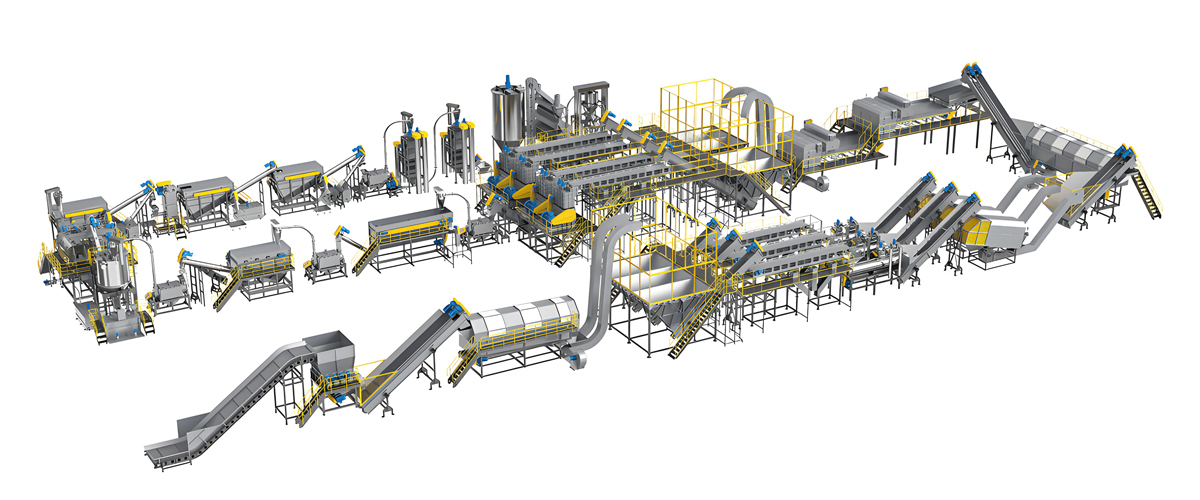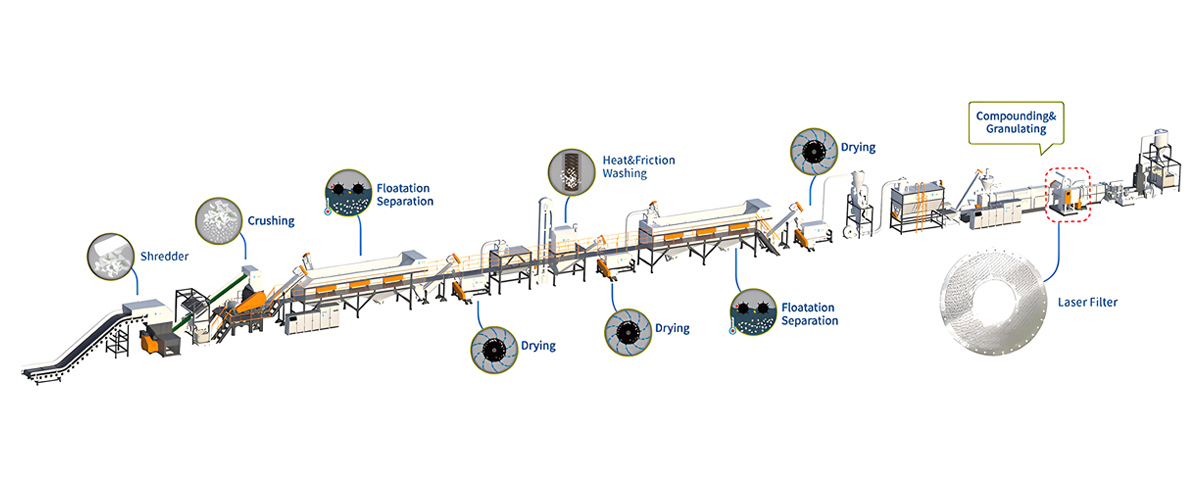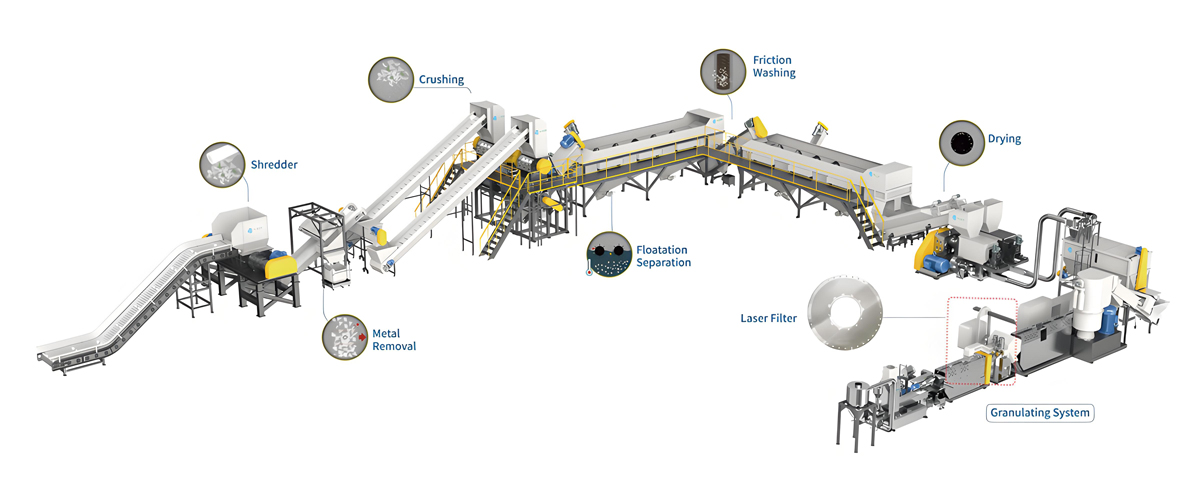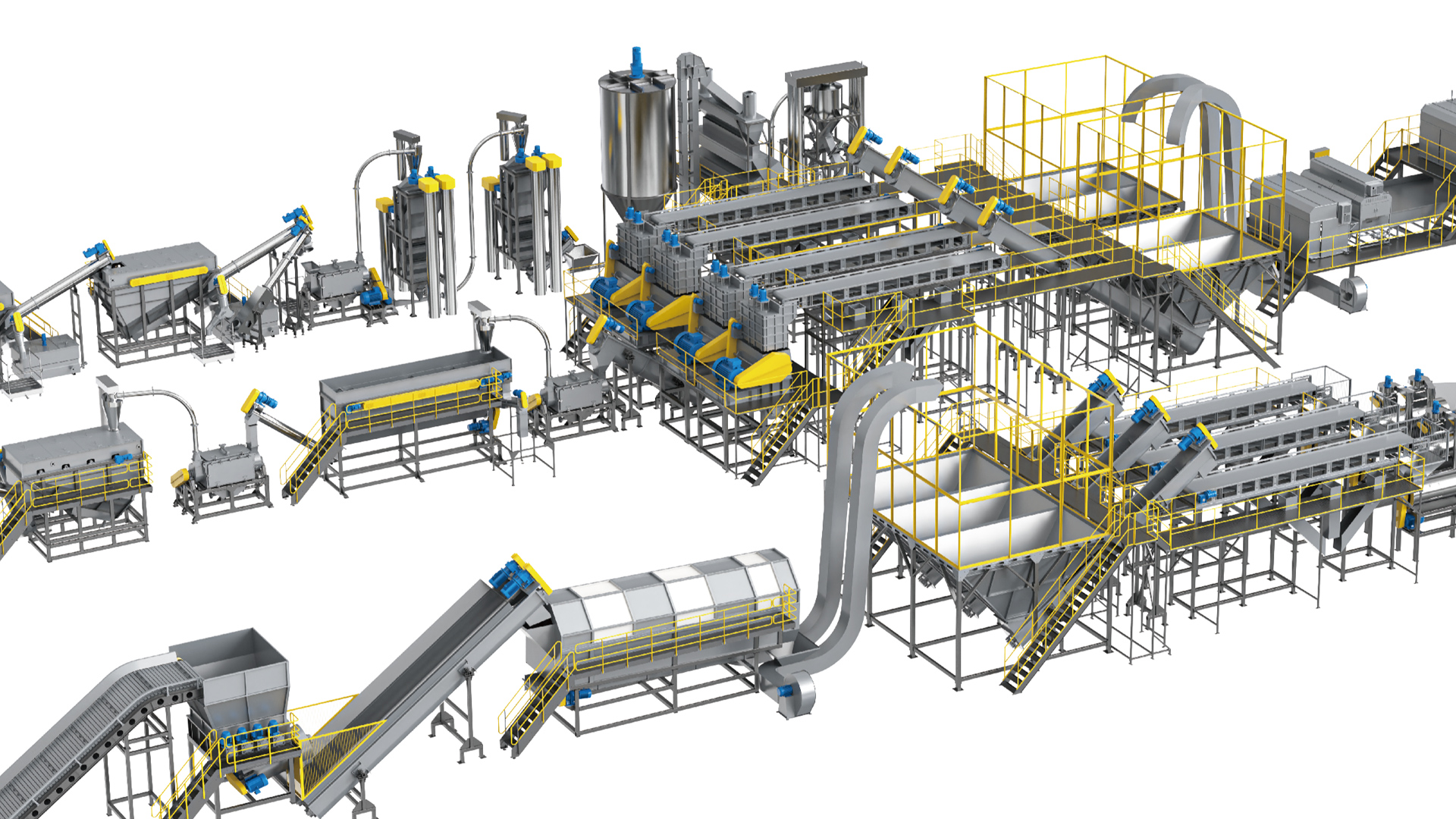

Controlling humidity in a plastic recycling workshop represents one of the most critical operational challenges that directly impacts product quality, equipment longevity, worker safety, and overall production efficiency. Modern plastic recycling operations, particularly those processing materials like PET, HDPE, LDPE, and agricultural films, must maintain precise humidity control to prevent material degradation, ensure consistent processing conditions, and protect substantial equipment investments. This comprehensive guide examines the multifaceted approaches to humidity management, from facility design and equipment selection to operational practices and monitoring systems, providing plastic recycling professionals with actionable strategies for optimal workshop environment control.
Understanding Humidity Challenges in Plastic Recycling
Plastic recycling operations face unique humidity challenges that differ significantly from other manufacturing processes. The very nature of plastic waste materials, especially post-consumer plastics, introduces substantial moisture content that must be systematically removed during processing. Agricultural films can retain moisture levels exceeding 15%, post-consumer bottles often contain residual liquids, and even industrial scrap can absorb atmospheric humidity during storage and transportation. Understanding these challenges represents the first step toward implementing effective humidity control strategies.
Moisture Content in Different Plastic Materials
Various plastic types present distinct humidity control requirements based on their inherent properties and typical contamination levels. Polyethylene terephthalate (PET) bottles, for example, typically arrive at recycling facilities with moisture content between 8% and 12% from residual liquids and external moisture. Agricultural films made from low-density polyethylene (LDPE) can contain even higher moisture levels, sometimes exceeding 15% from field exposure and soil contamination. Post-industrial scrap materials generally present lower initial moisture content, typically ranging from 2% to 5%, but can absorb atmospheric humidity during storage.
Processing conditions for different materials require different final moisture specifications. PET processing demands final moisture content below 0.5% to prevent hydrolytic degradation during extrusion. Polyethylene (HDPE/LDPE) processing typically requires moisture content below 2% for optimal processing. Polypropylene (PP) materials generally require moisture content under 1.5% for consistent extrusion and pelletization. These varying requirements necessitate flexible humidity control systems that can adapt to different materials and processing needs.
Impact of Uncontrolled Humidity on Product Quality
Uncontrolled humidity creates numerous quality problems that affect both the recycled pellets and downstream products. Excessive moisture in plastic materials leads to bubble formation during extrusion, creating voids and weak points in the final pellets. Hydrolytic degradation, particularly problematic for PET materials, reduces molecular weight and compromises mechanical properties. Moisture contamination also affects color consistency, creates surface defects, and reduces the overall value of recycled materials.
Beyond product quality issues, uncontrolled humidity creates processing instability that reduces production efficiency and increases operational costs. Wet materials can cause feeding problems in extruders, create pressure fluctuations, and lead to equipment blockages. The inconsistent processing conditions require frequent adjustments, increase energy consumption, and reduce overall equipment effectiveness. For facilities targeting high-value applications like food-contact materials or engineering plastics, humidity control becomes absolutely critical for meeting stringent quality specifications.
Equipment and Infrastructure Consequences
Humidity control failures create substantial risks for expensive recycling equipment. Excessive moisture accelerates corrosion of metal components, particularly in areas exposed to water and chemicals. Electrical systems become vulnerable to short circuits and component failures when humidity exceeds safe operating levels. The combination of moisture and plastic dust creates conductive pathways that can damage sensitive electronic controls and motors. These equipment protection concerns necessitate not just humidity control but also comprehensive facility design that addresses all moisture-related risks.
The cumulative cost of humidity-related equipment damage can be substantial. For a medium-sized recycling facility with equipment investments of $500,000 to $1,000,000, humidity-related problems can increase maintenance costs by 25% to 40% annually. The replacement cost of major components like extruder barrels, screw elements, and electrical systems creates significant financial impact. Proactive humidity management represents not just a quality consideration but also a sound economic investment that protects valuable assets.
Facility Design and Construction Considerations
Effective humidity control begins with proper facility design and construction. The physical structure of the recycling workshop, including materials, layout, ventilation systems, and environmental control infrastructure, establishes the foundation for successful humidity management. Facilities designed without consideration of humidity challenges face ongoing operational difficulties that prove difficult and expensive to remediate later.
Ventilation System Design and Capacity
Modern plastic recycling workshops require sophisticated ventilation systems that go far beyond basic air exchange. The industry standard recommends complete air exchange rates of 18 to 22 times per hour for effective humidity control. This represents substantially higher ventilation rates than general industrial facilities, reflecting the unique moisture generation characteristics of plastic recycling processes. The ventilation system must provide uniform airflow throughout the facility, preventing humidity pockets and stagnant areas.
Local exhaust ventilation systems specifically address high-humidity generation points like extruder heating zones, washing equipment, and drying systems. These local exhaust systems should provide air velocities of at least 2.5 meters per second directly above critical equipment. The combination of general facility ventilation and targeted local exhaust creates a comprehensive approach that addresses both overall humidity and localized moisture generation. Installation costs for comprehensive ventilation systems typically range from $25,000 to $75,000 depending on facility size and complexity.
Building Materials and Insulation
The selection of building materials significantly impacts humidity control effectiveness. Facilities constructed with materials that have high thermal mass, like concrete and masonry, tend to absorb and release moisture slowly, creating humidity buffering effects that can complicate precise control. Metal building construction, while more expensive, provides better humidity response characteristics and easier integration with ventilation systems. Wall and ceiling insulation not only reduces energy costs for temperature control but also prevents condensation formation that can contribute to humidity problems.
Roof design considerations include proper drainage to prevent water accumulation, adequate insulation to minimize temperature fluctuations, and integration with exhaust ventilation systems. Facilities in high-humidity geographic regions may require enhanced dehumidification capacity in the building infrastructure. The incremental cost of enhanced building materials and construction typically adds 15% to 25% to facility construction costs but provides long-term operational benefits that often justify the investment.
Flooring and Drainage Systems
Workshop flooring must address both moisture resistance and drainage requirements. Epoxy flooring systems provide moisture-resistant surfaces that are easy to clean and maintain. The flooring should incorporate slight slopes toward drainage channels to prevent water accumulation. Facilities processing wet materials like agricultural films require enhanced drainage capabilities, including trench drains and collection systems. Proper floor drainage not only prevents standing water that contributes to humidity but also protects worker safety and equipment foundations.
The installation cost for industrial epoxy flooring with proper drainage typically ranges from $8 to $15 per square foot depending on substrate condition and system complexity. For a 5,000 square foot recycling workshop, this represents an investment of $40,000 to $75,000. The return on this investment comes through reduced humidity-related problems, improved worker conditions, and protection of concrete substrates from moisture damage and chemical exposure.
Drying Equipment and Moisture Removal Systems
Specialized drying equipment represents the core technology for effective moisture removal in plastic recycling operations. Modern recycling lines integrate multiple drying stages that progressively reduce moisture content from initial high levels to final specifications suitable for extrusion and pelletizing. The selection and sizing of drying equipment directly impacts final product quality and processing economics.
Mechanical Dewatering Systems
Mechanical dewatering systems provide the first stage of moisture removal, typically reducing moisture content from initial levels of 15% to 25% down to 5% to 10%. These systems rely on physical force rather than thermal energy, offering substantial energy efficiency advantages. Centrifugal dryers, also called spin dryers, use high-speed rotation to extract water through centrifugal force. For plastic flakes and films, centrifugal speeds of 1,200 to 1,800 RPM provide effective dewatering while minimizing material degradation.
Screw press dewatering systems offer another mechanical approach, particularly effective for film materials. These systems use specially designed screw elements to progressively compress materials while allowing water to escape through screen apertures. The mechanical approach reduces energy consumption by 60% to 80% compared to thermal drying for the same moisture reduction. Investment costs for mechanical dewatering systems typically range from $35,000 to $120,000 depending on capacity and material type. The energy savings of $15,000 to $35,000 annually provide payback periods of 18 to 36 months for most installations.
Thermal Drying Technologies
Thermal drying systems provide the final stage of moisture removal, achieving the low moisture specifications required for quality extrusion. Modern thermal dryers use heated air to evaporate remaining moisture, with air temperatures precisely controlled based on material requirements. PET materials typically require drying air temperatures of 140°C to 160°C to achieve final moisture content below 0.5%. Polyethylene materials can be effectively dried at lower temperatures of 50°C to 70°C.
Pipeline hot air dryers represent a common thermal drying approach for plastic recycling. These systems use heated air circulated through pipelines containing the material, providing uniform drying. The residence time in the drying pipeline typically ranges from 15 to 30 minutes depending on material type and initial moisture content. Continuous belt dryers offer an alternative approach, particularly for heat-sensitive materials that require gentle handling. Investment for thermal drying systems ranges from $25,000 to $90,000, with operating costs primarily driven by energy consumption.
Integrated Drying Solutions
The most effective approach combines mechanical and thermal drying in integrated systems that maximize efficiency while achieving precise moisture control. Modern integrated drying systems use mechanical dewatering to remove the bulk of moisture, followed by thermal drying to reach final specifications. This staged approach optimizes energy consumption because each stage operates at its most efficient point. The integrated approach also reduces thermal stress on materials by using thermal energy only after most moisture has been mechanically removed.
POLYRETEC offers comprehensive drying solutions specifically designed for plastic recycling applications. Their systems combine efficient mechanical dewatering with precisely controlled thermal drying, achieving final moisture content below 0.8% for challenging materials. The integrated design includes automatic moisture monitoring that adjusts drying parameters in real-time, ensuring consistent results while minimizing energy consumption. Installation costs for complete integrated drying systems from POLYRETEC typically range from $60,000 to $180,000 depending on capacity and material requirements.
Operational Practices and Procedures
Beyond equipment and facility design, operational practices play a crucial role in maintaining effective humidity control. Worker training, standard operating procedures, and maintenance practices all contribute to consistent humidity management. Even the most sophisticated systems cannot deliver optimal results without proper operational practices.
Material Handling and Storage Procedures
Proper material handling procedures significantly impact initial moisture content and subsequent processing requirements. Incoming materials should be inspected for moisture content and stored appropriately to prevent additional moisture absorption. Covered storage areas with controlled humidity protect materials from atmospheric moisture, particularly important in humid geographic regions. Materials with excessive moisture should receive priority processing to prevent quality degradation during storage.
Material segregation by moisture content enables more efficient processing by allowing drying systems to be optimized for specific moisture ranges rather than handling variable materials continuously. The use of covered conveyors and enclosed transfer systems prevents additional moisture pickup during material movement between processing stages. These practices require minimal capital investment but substantial operational discipline and worker training to implement effectively.
Equipment Operating Parameters
Operating parameters for drying and processing equipment must be optimized based on material characteristics and moisture content. Drying air temperatures, residence times, and air flow rates all require adjustment based on the specific material being processed. POLYRETEC equipment includes sophisticated control systems that allow precise parameter adjustment, but operators must understand the relationships between these parameters and final moisture content.
Regular monitoring of equipment performance helps identify when operating parameters need adjustment. Changes in ambient conditions, material suppliers, or material contamination levels all require corresponding parameter adjustments. The most successful operations establish routine parameter review schedules where operators assess performance data and make necessary adjustments before quality problems occur.
Preventive Maintenance Practices
Preventive maintenance of drying and humidity control equipment ensures consistent performance and prevents unexpected failures that compromise humidity control. Regular cleaning of heat exchangers, air filters, and moisture sensors maintains system efficiency. Inspection of seals, gaskets, and structural components prevents air and moisture leaks that reduce system effectiveness. Calibration of moisture sensors and temperature controls ensures accurate monitoring and control.
Established maintenance schedules should specify inspection and maintenance tasks for all humidity control equipment. For thermal dryers, this includes quarterly inspection of heating elements, monthly filter cleaning, and annual calibration of temperature controls. For mechanical dewatering systems, maintenance includes regular inspection of screen condition, bearing lubrication, and balance verification. The investment in preventive maintenance typically ranges from $5,000 to $15,000 annually but prevents costly unplanned downtime and quality problems.
Worker Training and Awareness
Comprehensive worker training ensures that all personnel understand the importance of humidity control and their role in maintaining effective systems. Training should cover the technical aspects of how humidity affects product quality and equipment performance. Operators need specific training on monitoring humidity levels, adjusting equipment parameters, and responding to humidity-related alarms. Maintenance personnel require training on the unique maintenance requirements of drying and dehumidification equipment.
Beyond technical training, awareness programs help workers understand how their daily activities impact overall humidity control. Simple practices like keeping doors closed when possible, reporting water leaks immediately, and following material handling procedures all contribute to consistent humidity management. Regular refresher training ensures that new hires receive proper training and experienced workers stay current with updated procedures and equipment.
Monitoring and Control Systems
Modern plastic recycling facilities increasingly rely on sophisticated monitoring and control systems to maintain optimal humidity levels. These systems provide real-time visibility into humidity conditions, automatic adjustment capabilities, and historical data for continuous improvement. The investment in monitoring systems delivers substantial returns through improved consistency, reduced labor requirements, and early problem detection.
Moisture Measurement Technology
Accurate moisture measurement provides the foundation for effective humidity control. Modern facilities use multiple measurement technologies including inline moisture sensors, laboratory testing equipment, and portable moisture meters. Inline sensors provide continuous monitoring at critical points in the process, enabling immediate detection of moisture excursions. Laboratory testing provides periodic verification of sensor accuracy and comprehensive analysis of material moisture characteristics.
The selection of measurement technology depends on the specific application and required accuracy. Near-infrared sensors offer rapid, non-contact measurement suitable for process control applications. Capacitance sensors provide high accuracy for laboratory verification. The investment in comprehensive measurement systems typically ranges from $15,000 to $45,000 depending on the number of measurement points and technology selection.
Automated Control Systems
Automated control systems use moisture measurement data to automatically adjust equipment parameters for optimal humidity control. These systems integrate with drying equipment, ventilation systems, and processing equipment to create coordinated humidity management. Advanced systems use predictive algorithms that anticipate moisture variations and make preemptive adjustments, maintaining more consistent conditions than reactive systems.
POLYRETEC equipment includes advanced control capabilities that support automated humidity control. Their systems feature programmable logic controllers with humidity monitoring inputs that can adjust drying air temperature, residence time, and equipment speed based on real-time conditions. The automated approach reduces operator dependency and provides more consistent results than manual control. The incremental cost for automated control capabilities typically adds 10% to 20% to equipment costs but delivers returns through reduced labor requirements and improved consistency.
Data Analytics and Continuous Improvement
The data collected by monitoring and control systems provides valuable opportunities for continuous improvement. Analysis of historical moisture data helps identify patterns and trends that indicate underlying issues. Correlation analysis between humidity levels and quality metrics helps establish optimal target ranges for different materials and processing conditions. The continuous use of data for improvement helps facilities gradually optimize their humidity control strategies.
Leading facilities implement regular review processes where engineering, quality, and production personnel jointly analyze humidity data and identify improvement opportunities. These reviews often reveal subtle issues like gradual sensor drift or ventilation system degradation that might otherwise go unnoticed until they create quality problems. The investment in data analysis capabilities typically requires specialized software and personnel training but delivers returns through systematic improvement.
Alarm and Response Systems
Effective alarm and response systems ensure rapid response to humidity excursions before they create quality problems. Multi-level alarm systems provide early warnings for gradual deviations and critical alarms for severe excursions from target ranges. The alarm systems should include both local indicators at equipment locations and central monitoring in control rooms, ensuring awareness regardless of personnel location.
Established response procedures specify exactly what actions operators should take for different alarm levels and types. These procedures include immediate corrective actions, verification steps, and escalation procedures for problems that cannot be quickly resolved. Regular alarm system testing ensures that all components function correctly when needed. The investment in comprehensive alarm and response systems typically ranges from $8,000 to $25,000 but prevents costly quality problems and production interruptions.
Economic Analysis and Return on Investment
Implementing comprehensive humidity control requires substantial investment but delivers significant economic returns through improved product quality, reduced operational costs, and protected equipment investments. Understanding the economics of humidity control helps facility managers make informed investment decisions and justify expenditures to stakeholders.
Capital Investment Requirements
Complete humidity control systems represent significant capital investment. Facility modifications including ventilation system upgrades and improved drainage typically cost $75,000 to $200,000 depending on facility size and existing conditions. Drying equipment investment ranges from $95,000 to $250,000 for systems sized for typical recycling operations. Monitoring and control systems add $25,000 to $60,000. The total investment for comprehensive humidity control typically ranges from $200,000 to $500,000 for medium-sized facilities.
The investment requirements vary substantially based on facility size, material types processed, and quality targets. Facilities processing moisture-sensitive materials like PET or targeting high-value applications naturally require more sophisticated and expensive systems. Facilities in humid geographic regions face higher dehumidification requirements. The specific requirements should be carefully analyzed to avoid overinvestment in unnecessary capabilities while ensuring adequate investment for critical needs.
Operational Cost Impacts
Humidity control systems create both additional operational costs and substantial cost savings. Energy costs represent the largest additional expense, with comprehensive systems typically adding 15% to 25% to total energy consumption. However, these systems reduce quality-related costs by 40% to 60% through reduced scrap, reprocessing, and customer returns. Equipment maintenance costs typically increase by 10% to 15% due to additional equipment complexity but are offset by 20% to 35% reductions in humidity-related repairs.
The net operational cost impact varies based on specific conditions and system design. Well-designed systems typically deliver net operational cost savings of 5% to 15% after considering all factors. The savings come primarily from improved product quality, reduced reprocessing, and extended equipment life. Poorly designed systems that are oversized or operated inefficiently can increase operational costs despite quality improvements.
Quality Value Enhancement
Perhaps the most significant economic benefit of effective humidity control is the value enhancement of recycled materials. Products produced with consistent low moisture content command premium prices in many markets. Recycled PET pellets with moisture content consistently below 0.5% typically sell for 15% to 25% more than pellets with variable moisture content. For a facility producing 1,000 tons annually, this represents additional revenue of $150,000 to $250,000 annually.
The quality improvements from humidity control also enable access to higher-value markets. Food-contact applications, engineering plastics, and specialty applications all require the consistent quality that effective humidity control provides. The market expansion opportunities often represent more value than direct price premiums for existing products. Facilities that can reliably produce high-quality recycled materials can secure long-term contracts with premium pricing.
Return on Investment Analysis
Return on investment for humidity control systems typically ranges from 18 to 42 months depending on specific circumstances. Facilities with significant quality problems and market opportunities for premium products often achieve payback in 18 to 24 months. Facilities with more modest quality challenges but focusing on operational efficiency typically see payback in 30 to 42 months. The variation reflects differences in material values, production volumes, and existing quality levels.
A detailed ROI analysis should consider all relevant factors including capital investment, operational costs, quality improvements, market value enhancement, and risk reduction. The analysis should be specific to the facility rather than relying on generic industry benchmarks. Facilities with complex material mixes or challenging operating conditions may see longer payback periods but still justify investment through risk reduction and operational stability.
Industry-Specific Considerations
Different recycling applications face unique humidity challenges that require specialized approaches. PET bottle recycling, agricultural film processing, and post-industrial scrap recycling each present distinct requirements that must be addressed with tailored solutions.
PET Bottle Recycling Applications
PET bottle recycling presents particularly challenging humidity control requirements due to the material sensitivity to moisture and the high initial moisture content from residual liquids. PET undergoes hydrolytic degradation at temperatures above processing thresholds when moisture content exceeds 0.5%, reducing molecular weight and compromising mechanical properties. This sensitivity requires exceptionally precise final moisture control, typically targeting moisture content below 0.3% for high-value applications.
PET recycling operations require comprehensive drying systems including effective hot wash systems to remove most moisture before final drying. Crystallization systems that stabilize the material before final processing also help manage moisture sensitivity. The investment for PET-specific humidity control is typically 30% to 50% higher than for polyolefin recycling due to these additional requirements. However, the premium prices commanded by properly processed PET provide justification for this additional investment.
Agricultural Film Recycling
Agricultural film recycling faces challenges from extremely high initial moisture content, sometimes exceeding 20%, and soil contamination. The combination of moisture and soil requires robust dewatering systems that can handle high solids loading. Agricultural film recycling operations typically use heavy-duty mechanical dewatering systems followed by thermal drying to achieve final moisture specifications.
The cleaning process for agricultural films is particularly critical for humidity control. Inadequate cleaning leaves soil residues that interfere with drying efficiency and create additional moisture during processing. POLYRETEC offers specialized systems for agricultural film recycling that include enhanced mechanical dewatering and robust thermal drying specifically designed for high-soil-content materials. These systems typically require 20% to 30% more capital investment than systems for cleaner materials but deliver superior results for challenging applications.
Post-Industrial Scrap Recycling
Post-industrial scrap recycling generally presents more modest humidity control challenges compared to post-consumer recycling. However, even clean industrial scrap requires humidity management to prevent moisture absorption during storage and ensure consistent processing. Facilities processing industrial scrap often focus on efficient ventilation and material handling rather than extensive drying systems.
The appropriate level of humidity control investment for industrial scrap recycling depends on the value of the end product and customer requirements. Applications producing high-value engineering compounds require the same precision as post-consumer recycling. Applications producing lower-value products may justify more modest investment focused on basic protection rather than premium quality enhancement. The investment decision should align with market requirements rather than following generic recommendations.
Future Trends and Innovations
The field of humidity control for plastic recycling continues evolving with new technologies and approaches that improve efficiency and effectiveness. Staying current with these developments helps facilities maintain competitive advantages and plan future investments strategically.
Advanced Sensor Technologies
New sensor technologies provide improved accuracy and capabilities for moisture measurement. Optical sensors using near-infrared technology offer rapid, non-contact measurement with improved accuracy over traditional capacitance sensors. Inline imaging systems can visually assess material condition beyond just moisture content, identifying contamination and degradation issues. Multi-parameter sensors that measure multiple characteristics simultaneously provide more comprehensive material assessment.
The adoption of advanced sensors typically represents incremental investment over traditional technologies but delivers improved process control and reduced maintenance requirements. The improved accuracy reduces the safety margins needed in process control, allowing operation closer to optimal conditions and improving efficiency. Facilities planning major upgrades should consider advanced sensor technologies as part of comprehensive modernization strategies.
Artificial Intelligence and Predictive Control
Artificial intelligence applications for humidity control represent an emerging trend with substantial potential. AI systems can learn the complex relationships between processing conditions, material characteristics, and final moisture content. These systems enable predictive control that anticipates moisture variations before they occur rather than simply reacting to problems. The learning capabilities allow continuous optimization based on accumulated experience.
Current AI applications primarily focus on optimization of existing systems rather than complete replacement of traditional control approaches. The systems learn from operator adjustments and process variations to develop increasingly sophisticated control strategies. While still emerging, AI applications show particular promise for facilities with complex material mixes or challenging operating conditions where traditional control approaches struggle.
Energy Efficiency Innovations
Energy efficiency improvements represent a major focus for humidity control system development. New dryer designs incorporate heat recovery systems that capture waste heat from one process stage and use it for other drying requirements. Variable-speed drives on fans and pumps optimize energy consumption based on actual demand rather than constant operation. Improved insulation and heat exchange materials reduce thermal losses.
These efficiency improvements can reduce energy consumption by 20% to 35% compared to traditional drying systems. The capital cost for efficiency-enhanced features typically adds 10% to 20% to equipment costs but delivers rapid payback through reduced energy consumption. Facilities operating in regions with high energy costs or facing environmental regulations should prioritize efficiency improvements in their humidity control investments.
Implementation Roadmap
Implementing effective humidity control requires systematic approach rather than piecemeal equipment purchases. A comprehensive implementation roadmap helps facilities plan investments strategically and achieve maximum benefit from humidity control expenditures.
Assessment and Planning Phase
The first implementation phase should comprehensively assess current conditions and develop detailed improvement plans. This assessment includes measurement of current humidity levels throughout the facility, identification of problem areas, and analysis of quality issues related to moisture. The assessment should also review existing equipment capabilities and identify gaps compared to requirements.
The planning phase should develop detailed specifications for required improvements, including equipment sizing, facility modifications, and monitoring systems. The planning should also establish budgets, implementation timelines, and success metrics. This thorough planning prevents costly mistakes and ensures that investments deliver intended benefits. Facilities should allocate 2 to 4 months for comprehensive assessment and planning before beginning implementation.
Phased Implementation Strategy
Phased implementation allows facilities to spread investments over time while achieving incremental improvements. The first phase typically addresses the most critical issues that cause immediate quality problems. This might involve installation of basic drying equipment or facility ventilation improvements. Subsequent phases build on initial successes with more sophisticated equipment and control systems.
The phased approach provides several advantages beyond spreading capital requirements. Early phases provide opportunities to learn about specific facility requirements and adjust plans for subsequent phases. The incremental improvements also build organizational experience and support for humidity control. Facilities should plan each phase to deliver measurable benefits while building toward comprehensive humidity control.
Performance Verification and Adjustment
Each implementation phase should include thorough performance verification to ensure that investments deliver expected benefits. This verification includes measurement of humidity levels before and after implementation, assessment of quality improvements, and analysis of operational cost impacts. The verification should also assess operator acceptance and identify training needs for new systems.
Adjustments based on verification results ensure optimal system performance. Fine-tuning of operating parameters, equipment modifications, and procedure updates might all be needed based on actual performance rather than theoretical projections. The verification and adjustment phase typically requires 1 to 2 months after each implementation phase but ensures that investments deliver maximum value.
Continuous Optimization
Even after comprehensive implementation, humidity control requires ongoing optimization based on operating experience. Regular performance reviews should identify opportunities for further improvement. Data analysis might reveal subtle optimization opportunities that weren’t apparent during initial implementation. Changes in material sources or product requirements might necessitate system adjustments.
Establishing a culture of continuous optimization ensures that humidity control capabilities evolve with facility needs. This includes regular training updates, staying current with technology developments, and periodically reassessing strategies based on changing conditions. The most successful facilities treat humidity control not as a one-time project but as an ongoing capability requiring continuous attention.
Conclusion
Effective humidity control represents one of the most critical capabilities for successful plastic recycling operations. The impact extends far beyond simple moisture removal to encompass product quality, equipment protection, operational efficiency, and market competitiveness. Facilities that master humidity control gain substantial advantages through premium product pricing, reduced operational costs, and protected capital investments.
Implementing comprehensive humidity control requires significant investment but delivers compelling returns through multiple channels. The typical return on investment of 18 to 42 months represents attractive economics compared to many capital improvement opportunities. Beyond direct financial returns, humidity control enables market expansion, quality improvement, and risk reduction that provide strategic value beyond immediate financial metrics.
POLYRETEC offers comprehensive solutions for humidity control challenges in plastic recycling, combining advanced equipment with deep application expertise. Their integrated approach addresses the complete humidity control challenge rather than just isolated equipment. For facilities seeking to improve their humidity control capabilities, partnering with experienced suppliers like POLYRETEC provides the best opportunity for successful implementation and maximum return on investment.
The future of humidity control will see continued innovation in sensor technology, control approaches, and energy efficiency. Facilities that establish strong foundational capabilities now will be well-positioned to adopt emerging innovations and maintain competitive advantages. In the increasingly competitive plastic recycling industry, effective humidity control represents not just an operational necessity but a strategic differentiator that enables superior performance and market position.