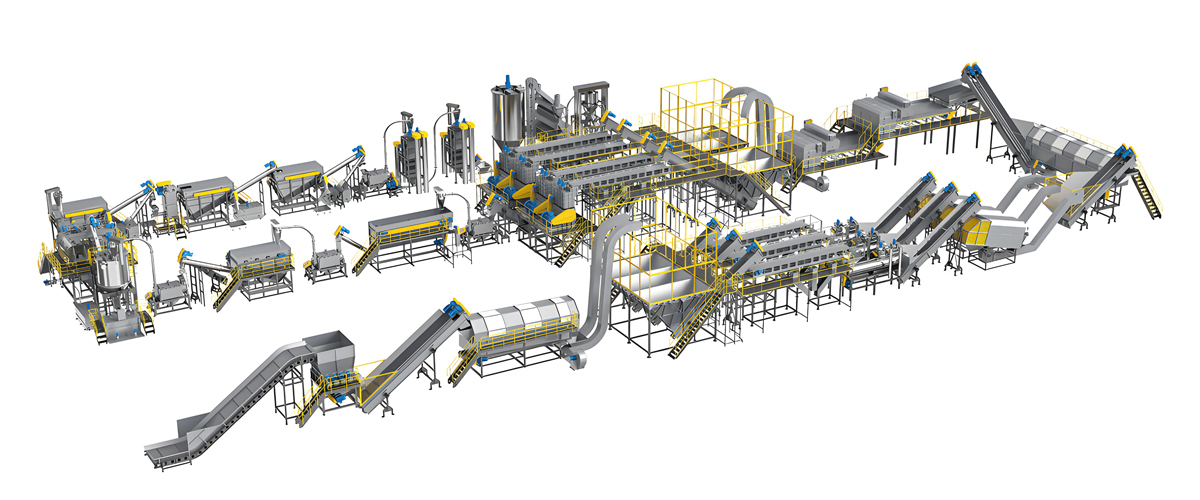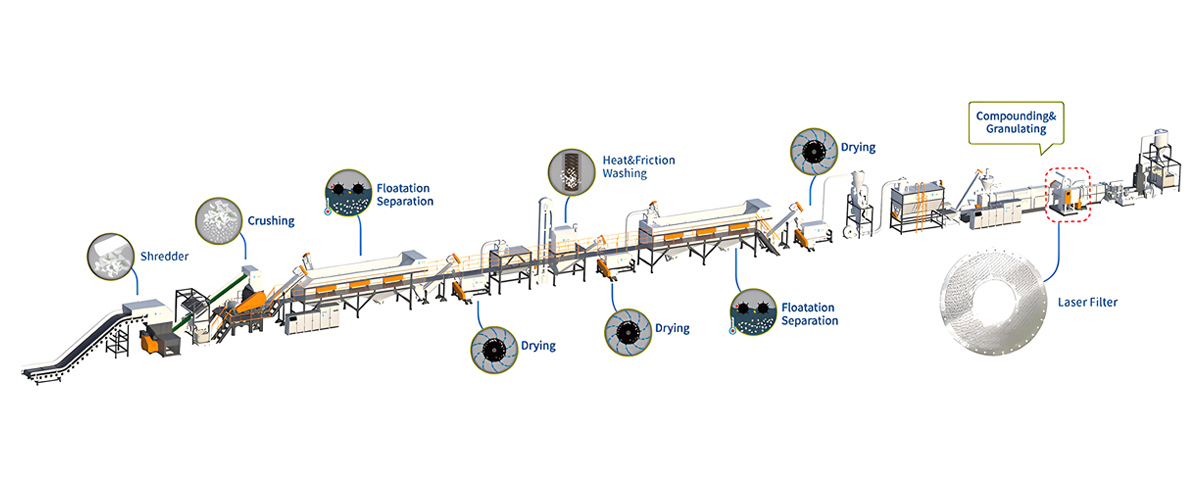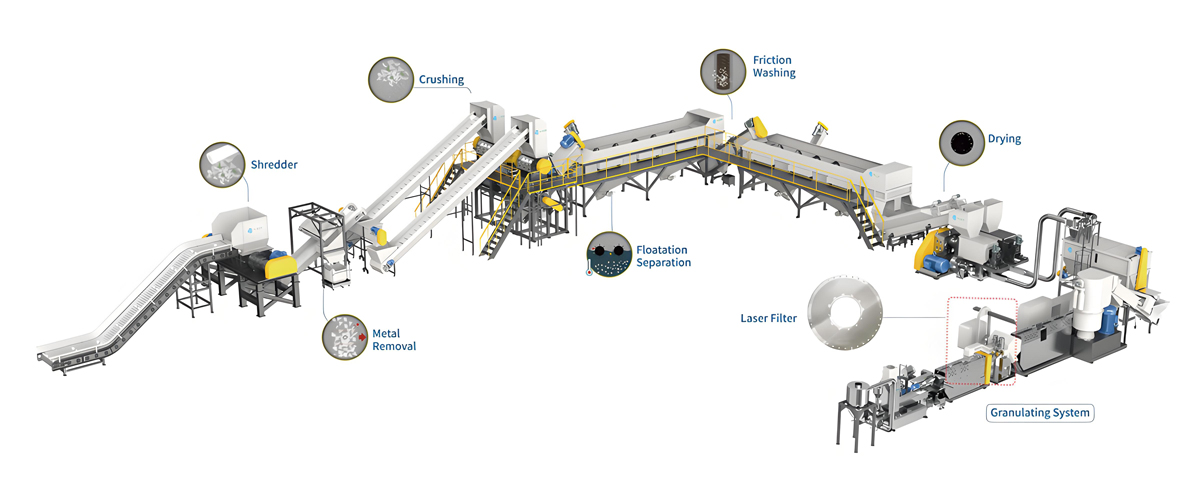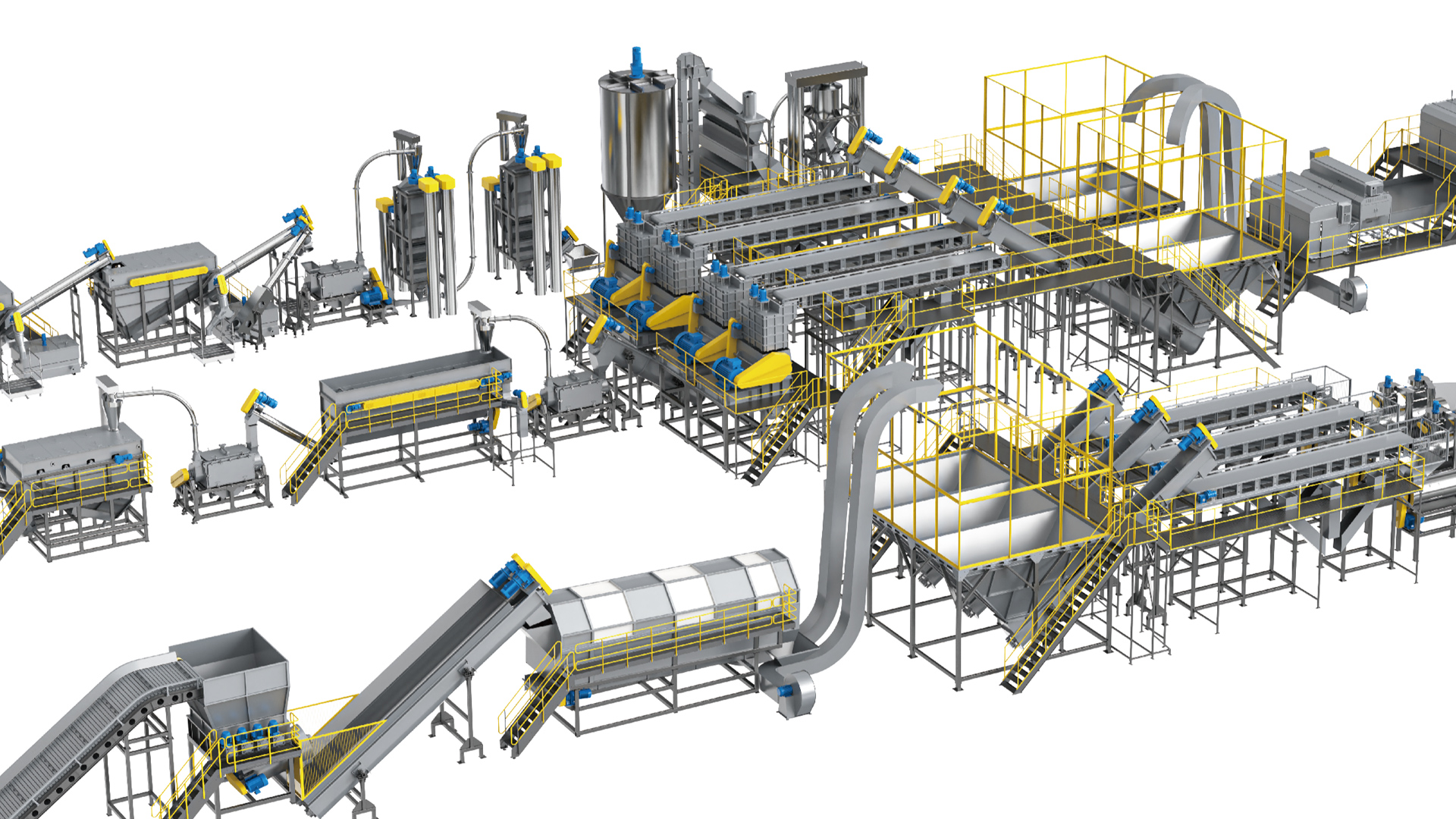

Investing in plastic recycling machinery represents a significant capital commitment for any recycling operation. Whether you operate a small-scale PE film recycling line or a comprehensive PET bottle recycling facility, protecting your investment through proper warranty management and maintenance strategies is essential for long-term profitability. Understanding how to extend the warranty of your plastic recycling equipment can save your business thousands of dollars in repair costs, minimize unplanned downtime, and maximize the return on your capital investment. This comprehensive guide explores every aspect of plastic recycling machinery warranty extension, from understanding standard warranty terms to implementing preventive maintenance programs that keep your equipment operating at peak performance throughout its lifecycle.
Warranty Extension strategies provide the most effective approach to protecting your plastic recycling machine investment. Whether you operate plastic crusher equipment, complete washing lines, or sophisticated granulators, extending your machine warranty coverage eliminates unexpected repair expenses during the critical early operational years. Most equipment maintenance specialists recommend evaluating warranty extension options before your standard coverage expires, as this timing typically offers the most favorable pricing and broadest coverage terms.
Understanding Plastic Recycling Machinery Warranty Basics
Before diving into warranty extension strategies, it is crucial to understand the fundamental terms and conditions that govern plastic recycling machinery warranties. A thorough grasp of these machine warranty basics enables you to make informed decisions about maintenance schedules, spare parts procurement, and supplier negotiations. Understanding how recycling machine warranty programs work helps you maximize the value of every coverage dollar you spend.
Standard Warranty Terms Explained
Standard warranty terms for plastic recycling machinery typically cover defects in materials and workmanship under normal operating conditions. Most reputable manufacturers, including industry leaders like POLYRETEC, offer warranty coverage that protects buyers from manufacturing defects that could compromise equipment performance. The machine warranty period begins from the date of shipment or installation, depending on the supplier’s terms, and covers the cost of replacement parts and labor for qualifying repairs. This comprehensive recycling machine warranty ensures your equipment investment remains protected during the critical early operational period.
Understanding the distinction between bumper-to-bumper warranties and powertrain warranties is important in the plastic recycling industry. A comprehensive warranty covers the entire plastic recycling machine, including electrical systems, motors, and structural components, while limited warranties may exclude certain wear parts or specific subsystems. Always review the warranty documentation carefully to understand exactly what protection you receive with your purchase and how equipment maintenance requirements interact with your coverage terms.
What Warranty Covers (Parts, Labor, and Shipping)
The typical plastic recycling machinery warranty provides coverage across three primary categories. First, parts coverage includes all mechanical and electrical components that fail due to manufacturing defects, including motors, pumps, sensors, and control systems. Second, labor coverage pays for the skilled technicians required to diagnose and repair warranty claims, ensuring that repair costs do not fall entirely on the equipment owner. Third, shipping coverage addresses the logistics costs associated with sending replacement parts to the customer’s facility, which can be substantial for internationally shipped plastic recycling machine equipment.
It is worth noting that some warranties distinguish between different types of coverage. Full coverage typically applies during the initial warranty period and includes all repair costs. Limited coverage may apply after certain milestones, potentially excluding labor costs or reducing parts coverage to major components only. Understanding these machine warranty distinctions helps you plan maintenance budgets and anticipate potential costs as your equipment ages. Proper equipment maintenance documentation becomes essential when transitioning between coverage types to ensure continued protection.
Warranty Exclusions and Limitations
Every plastic recycling machinery warranty contains specific exclusions that define the boundaries of coverage. Common exclusions include damage resulting from improper operation, failure to perform scheduled equipment maintenance, use of non-approved spare parts, and modifications made without manufacturer consent. Environmental factors such as extreme temperatures, corrosive materials, and natural disasters may also fall outside standard machine warranty protection. Understanding these exclusions enables you to structure your maintenance program to preserve coverage eligibility.
Operating conditions significantly outside the manufacturer’s specifications can void warranty coverage. For example, attempting to process materials with contamination levels exceeding recommended limits, operating at capacities beyond rated throughput, or using the plastic recycling equipment for applications it was not designed to handle may all result in warranty denial. Documenting your operating conditions and adhering to manufacturer guidelines protects both your equipment and your recycling machine warranty coverage. Consistent equipment maintenance demonstrates due diligence in protecting your investment.
Comparing Warranties Across Suppliers
When evaluating different plastic recycling machine suppliers, machine warranty terms should factor prominently in your purchasing decision. Some suppliers offer extended warranty periods as a competitive differentiator, while others provide standard coverage with optional upgrades. Beyond the warranty duration, examine the specific terms including response time commitments, on-site service availability, and the process for handling disputes or claim denials. The best recycling machine warranty programs combine comprehensive coverage with responsive service delivery.
A comprehensive warranty comparison should also consider the supplier’s track record in honoring warranty claims. Research customer reviews, industry reputation, and the supplier’s financial stability, as these factors influence their ability to fulfill long-term warranty obligations. POLYRETEC, for instance, has established a reputation for standing behind their equipment with responsive warranty support and transparent claim processing. Their commitment to equipment maintenance support extends well beyond the initial warranty period.
Industry Standard Warranty Periods
The plastic recycling industry has developed several standard warranty periods that vary based on equipment type and manufacturer. Entry-level plastic crusher and shredder equipment typically comes with 12-month warranties, reflecting the simpler technology and higher turnover in this equipment category. Mid-range equipment such as plastic granulators and washing lines commonly feature 18-month warranty periods that balance comprehensive coverage with reasonable risk for the manufacturer. Equipment maintenance schedules should be aligned with these warranty period milestones to ensure optimal coverage utilization.
Complete plastic recycling production lines and sophisticated equipment like plastic centrifugal dryers often receive 24-month warranties, acknowledging the higher investment amount and the need for extended protection. Some manufacturers offer tiered warranties where certain components receive longer coverage periods than others. Understanding these industry standards helps you evaluate whether a particular supplier’s warranty extension offering is competitive, average, or exceptional. A strong recycling machine warranty program reflects the manufacturer’s confidence in their equipment quality.
Key Factors Affecting Equipment Lifespan and Warranty
Multiple factors influence how long your plastic recycling machinery operates effectively and whether warranty coverage remains valid throughout its intended lifespan. Recognizing these factors enables proactive management of your equipment investment and helps prevent premature failures that could void warranty protection. Consistent equipment maintenance and careful adherence to operating guidelines maximize both machine warranty coverage and overall equipment longevity.
Equipment Design and Manufacturing Quality
The foundation of reliable plastic recycling equipment begins with thoughtful design and quality manufacturing. Equipment constructed with high-grade materials, precision engineering, and robust components naturally offers better longevity than budget alternatives built to lower specifications. When evaluating plastic recycling machinery suppliers, examine the materials used in critical components such as crusher blades, extruder screws, and wear-resistant liners. Higher manufacturing quality typically commands premium pricing but reduces lifetime equipment maintenance costs significantly.
POLYRETEC invests heavily in research and development to ensure their plastic recycling equipment meets demanding performance standards. Features such as hardened steel components, precision-machined tolerances, and optimized geometries contribute to extended equipment life and more reliable operation. While quality equipment may carry a higher initial price tag, the extended service life and reduced maintenance requirements often justify the additional investment.
Operating Environment Conditions
The physical environment where your plastic recycling machinery operates significantly impacts its performance and longevity. Facilities with excessive dust, humidity, temperature extremes, or corrosive atmospheres place additional stress on equipment components. Electrical systems face increased failure rates in environments with unstable power quality or inadequate grounding. Aggressive operating environments may justify enhanced warranty extension coverage to protect against elevated failure risks.
Proper facility design includes adequate ventilation, climate control where necessary, and proper electrical infrastructure to support sensitive control systems. Installing your plastic recycling equipment in a controlled environment extends component life, reduces unexpected failures, and helps maintain valid warranty coverage by ensuring operation within manufacturer-specified parameters. Consider environmental factors during facility planning to optimize equipment performance from day one and minimize equipment maintenance requirements.
Adherence to Operating Procedures
Following manufacturer-recommended operating procedures protects both your equipment and your warranty coverage. Each plastic recycling machine comes with detailed operating manuals specifying proper startup sequences, running parameters, shutdown procedures, and material specifications. Deviating from these procedures, even with good intentions, can cause damage that falls outside warranty protection and increases equipment maintenance costs significantly.
Training operators thoroughly on proper equipment use prevents costly mistakes and ensures consistent adherence to operating procedures. Develop standard operating procedures specific to your facility, incorporating manufacturer guidelines with any operational nuances relevant to your materials and throughput requirements. Regular refresher training maintains operator competence and identifies any procedural drift before it causes equipment damage that might not qualify for recycling machine warranty coverage.
Maintenance and Service Execution
Regular equipment maintenance represents the single most important factor in extending plastic recycling machinery life and maximizing warranty benefits. Preventive maintenance identifies potential problems before they cause equipment failure, allowing repairs under controlled conditions rather than emergency responses to catastrophic breakdowns. A well-executed maintenance program also documents your commitment to proper equipment care, which can be valuable when processing warranty claims under your machine warranty coverage.
Maintenance records demonstrate that equipment failures resulted from defects rather than neglect, supporting warranty claims when issues arise. Keep detailed maintenance logs including dates, procedures performed, parts replaced, and technician signatures. This documentation provides evidence of proper care if a warranty dispute occurs and helps identify patterns that might indicate emerging problems requiring attention. Comprehensive equipment maintenance records strengthen your position in any recycling machine warranty discussion.
Spare Parts Quality
The quality of replacement parts used in equipment maintenance directly impacts both immediate repair success and long-term equipment reliability. Original equipment manufacturer parts meet strict specifications designed for your specific plastic recycling equipment, while generic alternatives may offer savings but introduce risks to equipment performance and warranty status. Many warranties explicitly require OEM parts for coverage to remain valid, making parts selection a critical maintenance decision with warranty implications.
POLYRETEC provides genuine replacement parts designed and tested for their plastic recycling machinery, ensuring proper fit, function, and durability. Using counterfeit or inferior parts can cause premature failures, void warranty coverage, and compromise operator safety. Budget-conscious equipment maintenance does not require compromising quality; instead, focus on strategic parts selection where OEM components provide the greatest value and where alternatives pose minimal risk to your recycling machine warranty.
Core Strategies for Extending Warranty Through Preventive Maintenance
Preventive equipment maintenance forms the cornerstone of any effective warranty extension strategy. By implementing a structured maintenance program, you minimize unexpected failures, extend component life, and demonstrate proper equipment care that supports warranty claims. Consistent preventive maintenance transforms your machine warranty from passive protection into active value creation for your recycling operation.
Establishing a Comprehensive Maintenance Schedule
Creating an effective maintenance schedule requires balancing thoroughness with practicality. Begin by reviewing manufacturer recommendations for all plastic recycling equipment in your facility, then consolidate these requirements into a unified maintenance calendar. The schedule should specify maintenance tasks by frequency, from daily checks through annual comprehensive inspections, ensuring nothing falls through the cracks that could jeopardize your machine warranty coverage.
Your maintenance schedule must account for production demands while ensuring critical maintenance tasks receive completion. Consider scheduling preventive maintenance during planned production stops or shift changeovers when equipment sits idle. Building maintenance into your production plan prevents the temptation to skip or defer maintenance when schedules tighten, which ultimately saves time and money by preventing more serious problems.
Daily Inspection Checklist for Plastic Recycling Machinery
Daily inspections catch problems early before they escalate into major failures requiring warranty claims or causing production disruptions. Train operators to perform visual inspections at shift start and end, documenting any abnormalities for follow-up. Essential daily checks include examining equipment for unusual noise or vibration, verifying proper lubrication levels, and confirming that safety interlocks function correctly.
The daily inspection checklist for plastic recycling equipment should include verification of proper belt tension, inspection of material feed systems for blockages, checking coolant and hydraulic fluid levels, and confirming that guards and safety devices remain in place and functional. Document all daily inspections in your maintenance log, noting any issues discovered and corrective actions taken. This documentation provides valuable trend data and demonstrates your maintenance commitment to any warranty auditors.
Regular Maintenance Tasks and Their Frequencies
Beyond daily inspections, plastic recycling machinery requires periodic maintenance tasks at weekly, monthly, and quarterly intervals. Weekly maintenance typically includes lubrication of moving parts, cleaning of sensors and photoeyes, and verification of proper conveyor tracking. Monthly tasks expand to include electrical connection checks, motor inspection, and drive system adjustments.
Establishing clear responsibility assignments ensures maintenance tasks receive proper attention. Designate specific personnel responsible for each maintenance category, ensuring they have the training, tools, and parts necessary to complete assigned tasks. Cross-training multiple employees on critical maintenance procedures provides backup coverage and prevents single points of failure in your maintenance program.
Quarterly Deep Maintenance Procedures
Quarterly maintenance goes beyond routine tasks to address components that require less frequent attention but still benefit from regular evaluation. During quarterly deep maintenance, conduct thorough inspections of wear components, perform calibration checks on control systems, and evaluate equipment performance against baseline metrics established when the plastic recycling equipment was new.
Quarterly maintenance provides an opportunity to address accumulated minor issues before they become major problems. Plan these sessions with sufficient time to complete comprehensive inspections and any necessary repairs without rushing. Document all findings thoroughly, including measurements and observations that enable meaningful comparison during future maintenance cycles.
Annual Overhaul Planning and Execution
Annual overhauls represent the most comprehensive maintenance intervention for plastic recycling machinery. During an annual overhaul, disassemble and inspect critical components that are not accessible during regular maintenance, replace wear parts approaching their service limits, and perform comprehensive system testing to verify proper operation. This proactive approach prevents mid-year failures and extends equipment life significantly.
Planning annual overhauls months in advance ensures availability of necessary parts, scheduling of qualified technicians, and coordination with production requirements. Many facilities schedule annual overhauls during traditionally slow periods to minimize production impact. Document the entire overhaul process, including parts replaced, adjustments made, and any emerging issues identified for future monitoring.
Subsystem Maintenance Guidelines for Plastic Recycling Equipment
Each major subsystem of plastic recycling machinery requires specific maintenance attention to function optimally. Understanding the unique requirements of each subsystem enables targeted maintenance planning and helps prevent failures in critical areas.
Extrusion System Maintenance (Screw, Barrel, and Heaters)
The extrusion system represents the heart of many plastic recycling machines, converting shredded plastic into molten material suitable for pelletizing. The screw and barrel assembly faces significant wear from friction and abrasion, requiring regular inspection and eventual replacement. During maintenance, examine the screw for wear patterns, check barrel heating elements for consistent operation, and verify temperature sensor accuracy.
Heating system maintenance ensures consistent temperature control throughout the extrusion process. Inspect all heating bands and thermal insulation for damage, test temperature controllers for accuracy, and verify that cooling systems respond appropriately to temperature changes. Temperature fluctuations can cause product quality issues and stress equipment components, so maintaining precise thermal control protects both product quality and equipment longevity.
Washing System Maintenance (Friction, Float, and Dewatering)
Plastic washing lines incorporate multiple subsystems including friction washers, float tanks, and mechanical dewatering equipment. Each component requires specific attention to maintain effective plastic cleaning while minimizing energy consumption and water usage. Inspect friction washer components including paddles and screens for wear, checking that spray nozzles remain clear and properly positioned.
Float tank maintenance ensures proper separation of plastic materials by density. Check and maintain appropriate water levels, verify that circulation pumps operate correctly, and monitor for material buildup that could affect separation efficiency. Mechanical dewatering equipment including centrifuges and vibrating screens requires regular inspection of bearings, drive components, and screen media to maintain effective moisture removal.
Electrical System Care (PLC, Sensors, and Drives)
Modern plastic recycling machinery relies heavily on electrical and electronic systems for process control, monitoring, and safety. Programmable logic controllers coordinate all aspects of equipment operation, while sensors provide real-time feedback on temperatures, pressures, speeds, and material levels. Variable frequency drives control motor speeds for optimized performance and energy efficiency.
Electrical system maintenance requires careful attention to environmental factors affecting component reliability. Keep electrical enclosures clean and properly ventilated, verify that grounding connections remain secure, and inspect wiring for damage or deterioration. Schedule periodic calibration of sensors and instrument loops to maintain measurement accuracy. Many electrical failures trace to loose connections, so tightening electrical connections during routine maintenance prevents problems before they occur.
Hydraulic and Pneumatic System Upkeep
Hydraulic and pneumatic systems power movement in many plastic recycling equipment applications, from plastic crusher feeders to bale handling systems. Hydraulic systems provide high force capability for demanding applications, while pneumatic systems offer fast, clean operation for lighter-duty functions. Both systems require regular maintenance to prevent failures that could damage equipment or create safety hazards.
Hydraulic system maintenance includes regular oil analysis to monitor contamination levels, filter replacement according to manufacturer schedules, and inspection of hoses, fittings, and cylinders for wear or leaks. Pneumatic system maintenance focuses on air preparation equipment including filters, regulators, and lubricators, ensuring clean, properly lubricated air reaches system components. Maintain adequate reserves of hydraulic fluid and pneumatic components to enable rapid response when maintenance needs arise.
Cutting and Conveying System Maintenance
Cutting and conveying systems handle plastic materials throughout the recycling process, from initial shredding through final pellet handling. Plastic crusher and shredder blades require regular inspection for sharpness and wear, with timely replacement preventing excessive power consumption and poor particle size distribution. Conveying equipment including belt conveyors, screw conveyors, and pneumatic transfer systems requires maintenance of belts, bearings, and drive components.
Pelletizing systems, including both strand pelletizers and underwater pelletizers, require careful attention to knife sharpness, die plate condition, and water system operation. Dull knives cause irregular pellet shapes and increased fines production, while worn die plates can cause leakage and quality problems. Establishing clear performance metrics for each cutting system enables objective evaluation of component condition and timing of replacement.
Operating Best Practices for Extended Equipment Life
Proper operation of plastic recycling machinery prevents premature failures and supports warranty validation. By following established best practices, operators maximize equipment performance while minimizing stress on components that could lead to warranty claims or accelerated wear.
Proper Startup and Shutdown Procedures
Correct startup procedures prepare plastic recycling equipment for operation by ensuring all systems reach proper operating conditions before processing begins. A typical startup sequence includes verifying all safety devices are functional, allowing the extrusion system to reach target temperature before introducing material, confirming that lubrication systems are operating, and gradually loading material while monitoring process parameters.
Equally important, proper shutdown procedures protect equipment during idle periods and prepare systems for subsequent startups. Shutdown sequences should include purging material from the extrusion system, gradually reducing temperatures to prevent thermal shock, allowing rotating equipment to stop naturally rather than emergency stopping, and cleaning accessible components to prevent material buildup during idle periods.
Setting Operating Parameters Correctly
Operating plastic recycling equipment within manufacturer-specified parameters ensures optimal performance while minimizing component stress. Temperature profiles, screw speeds, feed rates, and pressure limits all represent parameters that affect both product quality and equipment longevity. Operating outside these parameters, even slightly, can cause cumulative damage that shortens equipment life and potentially voids warranty coverage.
Document optimal operating parameters for each material type processed in your facility, referencing manufacturer guidelines and adjusting based on operational experience. This documentation provides a reference for training new operators and for troubleshooting performance issues when they arise. When processing unfamiliar materials, start with conservative parameters and gradually optimize as you gain experience with the new application.
Handling Abnormal Situations Effectively
Abnormal situations including material blockages, unusual noises, unexpected readings, or alarm conditions require prompt, appropriate response to prevent damage escalation. Train operators to recognize warning signs of impending problems and respond according to established procedures rather than attempting improvised solutions that could worsen the situation or create safety hazards.
Develop clear protocols for common abnormal situations, specifying immediate actions, escalation procedures, and documentation requirements. When abnormal situations occur, photograph any visible damage or conditions that might assist in troubleshooting. Timely, documentation of abnormal events supports warranty claims by demonstrating proper operator response and helps identify patterns that might indicate emerging equipment problems.
Operator Training Requirements and Certification
Skilled operators represent a critical investment in plastic recycling equipment longevity and performance. Comprehensive operator training covers equipment operation, maintenance procedures, safety requirements, and troubleshooting techniques. Certification programs validate operator competence and ensure consistent knowledge across your operating team.
Initial operator training should include both classroom instruction on equipment theory and hands-on training at the equipment. Experienced operators mentoring new team members provides valuable practical knowledge transfer that supplements formal training. Regular refresher training and continuing education keep operator skills current as equipment evolves and new materials enter your processing operation.
Safety Operating Standards and Compliance
Safety compliance protects operators while also protecting your plastic recycling machinery investment. Safety devices including emergency stops, machine guards, and interlocks serve as critical protection for both personnel and equipment. Bypassing or disabling safety features to improve convenience represents both a safety violation and potential warranty voidance.
Maintain safety compliance through regular inspection of safety devices, documented safety training, and clear communication of safety expectations. Develop a safety culture where personnel feel empowered to report safety concerns without fear of retaliation. A proactive safety program prevents accidents that could damage equipment, injure personnel, or create legal liability for your organization.
Spare Parts Management and Quality Assurance
Effective spare parts management ensures maintenance needs can be addressed promptly while controlling inventory costs. Strategic decisions about parts sourcing, inventory levels, and replacement timing all impact equipment reliability and maintenance budget performance.
Original Equipment Manufacturer Parts vs Generic Alternatives
The choice between OEM parts and generic alternatives involves tradeoffs between cost, quality, and warranty implications. Original parts designed specifically for your plastic recycling equipment ensure proper fit and function, often with superior materials and manufacturing tolerances that extend service life. While generic parts may offer initial cost savings, they can compromise equipment performance and potentially void warranty coverage.
Many warranty agreements explicitly require OEM parts for coverage to remain valid, making generic alternatives a risky choice for components under warranty protection. For older equipment beyond warranty coverage, the parts selection decision becomes purely economic, weighing cost savings against risks of premature failure and reduced equipment reliability.
Critical Spare Parts Inventory Recommendations
Maintaining appropriate spare parts inventory prevents production losses from maintenance-related delays while avoiding excessive capital tied up in slow-moving inventory. Critical spare parts for plastic recycling machinery include wear components such as crusher blades, screen plates, and knife edges, as well as frequently failing components including bearings, seals, and electrical components.
Develop inventory recommendations based on criticality, failure frequency, and supplier lead times. High-criticality parts with long lead times warrant keeping replacement units on hand, while readily available parts may be ordered as needed without stocking. Review inventory levels periodically, adjusting based on actual failure experience and changing operational requirements.
Spare Parts Replacement Schedule and Cost Planning
Predictable maintenance includes predictable parts replacement, enabling accurate cost forecasting and budget planning. Establish replacement intervals for all wear parts based on manufacturer recommendations, adjusted for actual operating experience. Tracking actual part life in your maintenance records enables continuous refinement of replacement schedules for maximum cost efficiency.
Budget planning for spare parts should account for both scheduled replacements and an allowance for unexpected failures. Many facilities use historical data to establish replacement cost benchmarks, expressing costs per unit of production or per operating hour. This approach enables accurate budget forecasting and facilitates comparison of actual costs against expectations, identifying variances requiring investigation.
POLYRETEC Spare Parts Supply and Support
POLYRETEC provides comprehensive spare parts support for their plastic recycling equipment, ensuring customers can maintain their machinery effectively throughout its operational life. Their parts program includes genuine OEM components, competitive pricing, and responsive delivery that minimizes equipment downtime when maintenance is required.
Beyond individual parts, POLYRETEC offers complete rebuild kits for major components, providing cost-effective solutions for comprehensive restoration during scheduled overhauls. Their technical support team assists with parts identification and application questions, ensuring customers receive the correct parts for their specific equipment configuration.
Contract and Commercial Strategies for Warranty Extension
Beyond equipment maintenance, commercial strategies including extended warranties, insurance solutions, and effective supplier negotiations can maximize the protection your investment receives. Understanding these options enables strategic decisions that balance cost against coverage benefits for your plastic recycling machinery. A well-structured warranty extension approach transforms your machine warranty from a basic protection into a comprehensive risk management tool.
Selecting Extended Warranty Plans from Suppliers
Extended warranty plans offered by equipment suppliers provide continuation of warranty coverage beyond the standard period, typically in one to three year increments. These plans vary significantly in coverage scope, pricing, and included services, requiring careful evaluation to determine value for your specific situation. When evaluating extended warranties, examine exactly what is covered, response time commitments, and any conditions that could limit coverage under your machine warranty arrangement.
The cost of extended warranty coverage should be compared against the potential costs of uncovered repairs during the extended period. For equipment with track records of reliability, extended warranties may represent unnecessary expense. For equipment in demanding applications or with higher failure probability, extended coverage can provide valuable protection against unexpected costs.
Risk Management for Self-Warranty Approaches
Some organizations choose to self-insure equipment maintenance costs rather than purchasing extended warranty coverage. This approach assumes responsibility for all repair costs in exchange for avoiding warranty premiums. Success with this strategy requires accurate cost tracking to verify that self-insurance actually saves money compared to purchased coverage. Self-warranty approaches work best for organizations with strong equipment maintenance capabilities and adequate financial reserves.
Self-warranty risk management includes establishing reserve funds adequate to cover major repairs, developing maintenance capabilities sufficient to address most failures internally, and maintaining relationships with qualified service providers for specialized repairs. Without these elements in place, self-warranty approaches can result in inadequate repair responses and potentially higher long-term costs than purchased machine warranty coverage would have provided.
Evaluating Equipment Insurance Solutions
Equipment insurance policies can supplement or replace traditional warranty coverage, providing protection against equipment failures, damage from covered perils, and business interruption losses. Insurance solutions offer different coverage characteristics than warranties, often including protection against events excluded from standard warranties such as natural disasters and operator error.
Evaluating insurance options requires careful review of policy terms, exclusions, deductibles, and premium costs. Consider whether existing facility insurance policies provide equipment coverage or whether separate machinery insurance is required. Insurance broker consultations can help identify appropriate coverage levels and competitive pricing from multiple insurers.
Key Points in Warranty Terms Negotiation
For significant equipment purchases, warranty terms are often negotiable, particularly when purchasing complete plastic recycling production lines or multiple pieces of equipment. Effective negotiation requires understanding your leverage, the supplier’s position, and the value you represent to the supplier. Demonstrating commitment to a long-term relationship can motivate suppliers to offer enhanced machine warranty terms that provide superior protection for your equipment investment.
Negotiation priorities typically include extended warranty duration, expanded coverage scope, reduced response times for warranty service, and inclusion of preventive maintenance visits. Document all warranty commitments in writing, ensuring both parties clearly understand the terms. Ambiguities in warranty language can create disputes that might have been avoided with clearer initial agreements. A well-negotiated warranty extension provides peace of mind for years of equipment operation.
Cost-Benefit Analysis of Warranty Extension
Making informed decisions about warranty extension requires quantitative analysis comparing warranty costs against expected repair expenses without coverage. Calculate expected costs by examining historical failure data for similar plastic recycling machine equipment, considering both frequency and severity of repairs. Compare these expected costs against warranty pricing to identify situations where coverage represents good value for your operation.
Beyond direct repair costs, consider indirect costs including production losses during equipment downtime, customer impacts from delivery delays, and administrative burden of managing repairs. These indirect costs often exceed direct repair expenses, making warranty coverage more attractive than raw repair cost comparisons might suggest. Equipment maintenance budget planning benefits from including both direct and indirect cost considerations in your warranty extension analysis.
POLYRETEC Warranty and Support Advantages
POLYRETEC has established comprehensive warranty and support programs designed to protect customers throughout the equipment lifecycle. Understanding these advantages helps you maximize the value of POLYRETEC equipment ownership and make informed decisions about additional support services.
POLYRETEC Standard Warranty Policy
POLYRETEC provides competitive standard warranty coverage for their plastic recycling equipment, with terms varying by equipment type and customer requirements. Their warranty policy emphasizes responsive claim processing, transparent communication, and fair resolution of equipment issues. Standard warranties cover defects in materials and workmanship under normal operating conditions, protecting customers from manufacturing-related failures.
Beyond standard terms, POLYRETEC demonstrates flexibility in addressing unusual situations that may not clearly fall within warranty definitions. Their customer-focused approach recognizes that building long-term relationships provides greater value than rigidly denying borderline warranty claims. This philosophy creates confidence that POLYRETEC stands behind their equipment when issues arise.
Remote Diagnostics and Technical Support
POLYRETEC offers remote diagnostic capabilities that enable rapid problem identification without requiring service technician travel to customer sites. Modern plastic recycling equipment often incorporates connectivity features enabling remote monitoring of operating parameters, error logs, and performance trends. These capabilities support preventive maintenance by identifying emerging problems before they cause equipment failures.
Technical support teams provide guidance on operating questions, troubleshooting assistance, and maintenance recommendations. Remote support enables rapid response to customer inquiries, often resolving issues within hours rather than days. This support infrastructure adds significant value to POLYRETEC equipment ownership beyond the base warranty coverage.
Fast Spare Parts Delivery Worldwide
Efficient spare parts logistics are essential for minimizing equipment downtime when maintenance is required. POLYRETEC maintains strategically located parts inventory enabling rapid delivery to customers worldwide. Standard orders typically ship within 24 to 48 hours, with emergency expedited shipping available for critical situations requiring immediate response.
Parts ordering through POLYRETEC benefits from their direct relationship with manufacturing, ensuring parts availability for both current production models and legacy equipment. This parts commitment provides confidence that POLYRETEC equipment investments will remain supported throughout their operational lives.
On-Site Service Capabilities
When remote support cannot resolve equipment issues, POLYRETEC offers on-site service capabilities including startup assistance, troubleshooting, repair execution, and preventive maintenance. Service technicians bring specialized knowledge of POLYRETEC equipment, enabling efficient diagnosis and repair of complex issues. Service visits can be scheduled according to customer production requirements, minimizing disruption while ensuring issues receive proper attention.
For customers preferring to perform their own maintenance, POLYRETEC offers training programs that build internal maintenance capabilities. These programs transfer knowledge enabling facility personnel to handle routine maintenance and basic troubleshooting, reserving service technician visits for complex situations requiring specialized expertise.
Free Replacement Commitment During Warranty
POLYRETEC warranty policy includes commitment to free replacement of components that fail due to manufacturing defects during the warranty period. This commitment provides clear assurance that customers will not face unexpected repair costs for covered failures. Understanding this commitment enables accurate budget planning during the warranty period, with confidence that covered repairs will not generate surprise expenses.
The replacement commitment applies to defective components, with POLYRETEC determining whether repair or replacement represents the appropriate resolution. This flexibility enables efficient handling of different failure types, choosing repair when practical and replacement when necessary for reliable operation.
Managing Costs Beyond the Warranty Period
Planning for post-warranty operation ensures continued equipment reliability while managing costs effectively. Strategic approaches to maintenance, repair, and eventual equipment decisions maximize the return on your capital investment over the complete equipment lifecycle.
Common Failures and Repair Cost Analysis
Understanding common failure modes for your plastic recycling equipment enables proactive planning for post-warranty costs. Typical failures in plastic recycling equipment include wear-related failures of processing components, electrical failures in motors and control systems, and seal or bearing failures in mechanical systems. Each failure type has characteristic cost ranges enabling reasonable budget forecasting.
Historical failure data from your maintenance records provides the most accurate basis for post-warranty cost planning. Track repair costs by component type, including parts, labor, and any outside service expenses. This data enables predictive modeling of future repair costs, informing decisions about maintenance investments and equipment replacement timing.
Major Overhaul Cost Estimation
Major overhauls represent significant maintenance investments that restore equipment to like-new condition, extending service life substantially beyond routine maintenance所能提供的. Overhaul costs typically include major component rebuilds or replacements, comprehensive mechanical inspection and adjustment, electrical system testing and updates, and structural inspection and repair as needed.
Overhaul cost estimation should account for both direct costs and production losses during the overhaul period. Scheduling overhauls during planned production downtime minimizes impact on product delivery commitments. Compare overhaul costs against the remaining value provided by the equipment to determine whether overhaul represents the best investment compared to equipment replacement.
Equipment Upgrade vs Replacement Decision Framework
Eventually, all plastic recycling equipment reaches a point where upgrade or replacement represents the optimal choice. Upgrade investments add capabilities or extend equipment life without complete replacement, while replacement provides entirely new equipment with current technology and full warranty coverage. Making this decision requires clear criteria and honest evaluation of both options.
Upgrade candidates typically include equipment with good structural condition but outdated control systems or worn processing components. Replacement candidates include equipment with structural damage, obsolete technology that limits competitiveness, or accumulated maintenance issues requiring increasingly frequent repairs. Develop decision criteria specific to your operation and apply them consistently when evaluating equipment futures.
Post-Warranty Service Contract Options
Service contracts provide an alternative to pure self-maintenance for post-warranty equipment management. These contracts typically include scheduled maintenance visits, discounted parts pricing, priority service response, and often some coverage for emergency repairs. Contract costs vary widely based on coverage scope and equipment type, requiring evaluation against expected unbundled maintenance costs.
Service contracts offer budget predictability, transferring variable repair costs into fixed contract payments. This predictability aids financial planning and may offer savings compared to unmanaged maintenance costs. Evaluate contract terms carefully, ensuring coverage matches your actual maintenance needs and that contract pricing represents good value for the protection provided.
Total Cost of Ownership Analysis
Total cost of ownership analysis provides comprehensive understanding of equipment economics across its complete lifecycle. TCO analysis includes acquisition costs, installation and commissioning expenses, operating costs including energy and consumables, maintenance costs both scheduled and unscheduled, repair costs, and eventual disposal or removal costs. This comprehensive view enables better investment decisions than analysis considering only initial purchase price.
POLYRETEC equipment typically demonstrates favorable total cost of ownership characteristics, with efficient energy consumption, reliable operation minimizing production losses, and competitive maintenance requirements. When comparing equipment options, request complete cost information enabling meaningful TCO comparisons rather than focusing solely on acquisition costs.
Case Studies: Warranty Extension Success Stories
Real-world examples demonstrate how proper maintenance and warranty management deliver tangible results. These case studies illustrate approaches that have proven successful in extending plastic recycling equipment life and maximizing warranty benefits.
Case Study 1: PE Film Recycling Line Maintenance Strategy
A European recycling facility operating a POLYRETEC PE film recycling line implemented a comprehensive maintenance strategy that extended equipment service life well beyond warranty expectations. Key elements included daily inspection routines performed by dedicated operators, weekly lubrication and adjustment procedures, quarterly comprehensive inspections with detailed documentation, and annual overhauls conducted during summer production slowdowns.
The facility maintained detailed records enabling trend analysis that identified components approaching wear limits before failures occurred. By replacing wear parts during planned maintenance rather than emergency responses to failures, the facility reduced unscheduled downtime by 85 percent compared to industry averages. Total maintenance costs remained predictable and controlled throughout the equipment lifecycle.
Case Study 2: PET Bottle Recycling Line Warranty Experience
An Asian PET bottle recycling operation navigated complex warranty situations when multiple component failures occurred during their second year of operation. Documentation of proper maintenance procedures, adherence to operating parameters, and immediate reporting of abnormal conditions enabled successful warranty claims that might otherwise have been denied.
The facility learned valuable lessons about warranty documentation requirements and now maintains comprehensive maintenance logs that provide clear evidence of proper equipment care. Relationships established during warranty claim processing have continued through subsequent years of operation, with POLYRETEC providing responsive support for all maintenance needs.
Case Study 3: Complete Recycling Production Line Long-Term Operation
A North American recycling company operating a complete POLYRETEC recycling production line for over seven years demonstrates the long-term value of comprehensive maintenance programs. The production line, initially covered by standard warranty, has continued operating effectively through strategic maintenance investments, selective upgrades, and ongoing supplier support.
Key success factors included establishing dedicated maintenance personnel with specialized training, maintaining complete parts inventories for all major components, implementing continuous improvement processes that refined operating procedures over time, and building strong relationships with POLYRETEC support teams. The production line continues delivering reliable performance, with ongoing evaluation of upgrade opportunities to maintain competitive positioning.
Conclusion and Action Steps
Extending the warranty and maximizing the service life of your plastic recycling machinery requires commitment to comprehensive equipment maintenance, proper operating procedures, strategic commercial decisions, and effective supplier relationships. The strategies outlined in this guide provide a framework for protecting your equipment investment while controlling operational costs throughout the equipment lifecycle. A proactive approach to recycling machine warranty management transforms your equipment protection from passive coverage into active value creation.
Begin by auditing your current maintenance program against the comprehensive checklist provided, identifying gaps that require immediate attention. Establish clear maintenance schedules, assign responsibilities, and implement documentation procedures that support both equipment reliability and warranty claim processing. Invest in operator training to ensure proper equipment operation from day one. Every maintenance dollar spent protects your machine warranty investment and extends equipment service life.
Evaluate your commercial options for warranty extension, insurance, and service contracts against your specific risk profile and budget constraints. For POLYRETEC equipment owners, leverage the comprehensive support infrastructure available including remote diagnostics, rapid parts delivery, and responsive service capabilities. These resources represent significant value that enhances your equipment investment returns through minimized downtime and optimized equipment maintenance.
Protecting your plastic recycling machinery investment through proper warranty management and comprehensive equipment maintenance delivers measurable returns in extended equipment life, reduced downtime, controlled costs, and maximized production output. Start implementing these strategies today to secure the benefits of reliable, high-performance plastic recycling equipment for years to come. Your commitment to excellence in machine warranty management and equipment maintenance will pay dividends throughout your equipment lifecycle.