
Introduction to High Capacity Plastic Recycling
As the global demand for plastic continues to rise, so does the amount of plastic waste generated. Large-scale plastic recycling is becoming increasingly important as a sustainable solution to manage this waste and reduce the environmental impact of plastic production. High capacity plastic recycling lines are designed to process large volumes of plastic waste efficiently and economically, converting it into high-quality recycled plastic that can be used to manufacture new products.
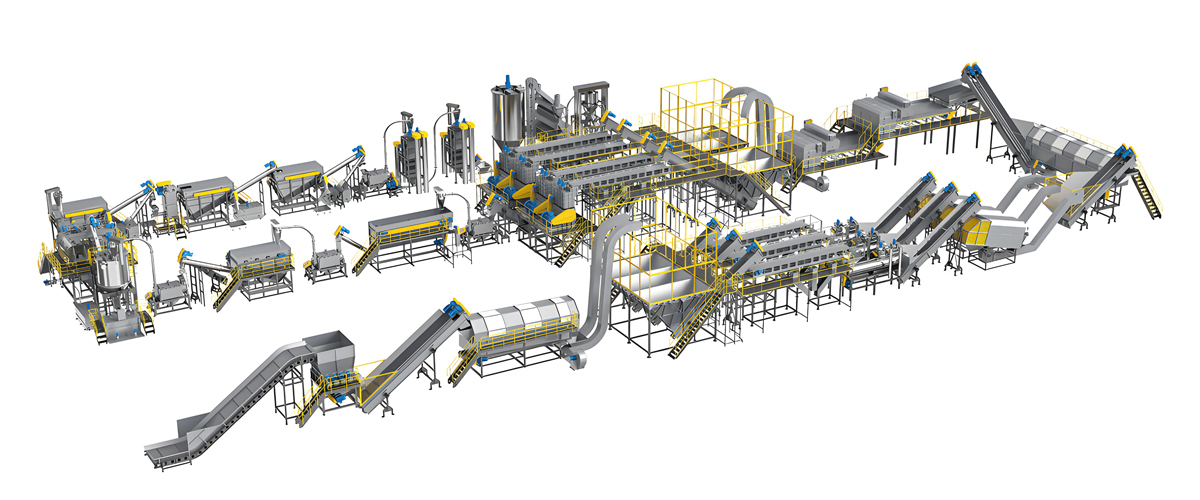
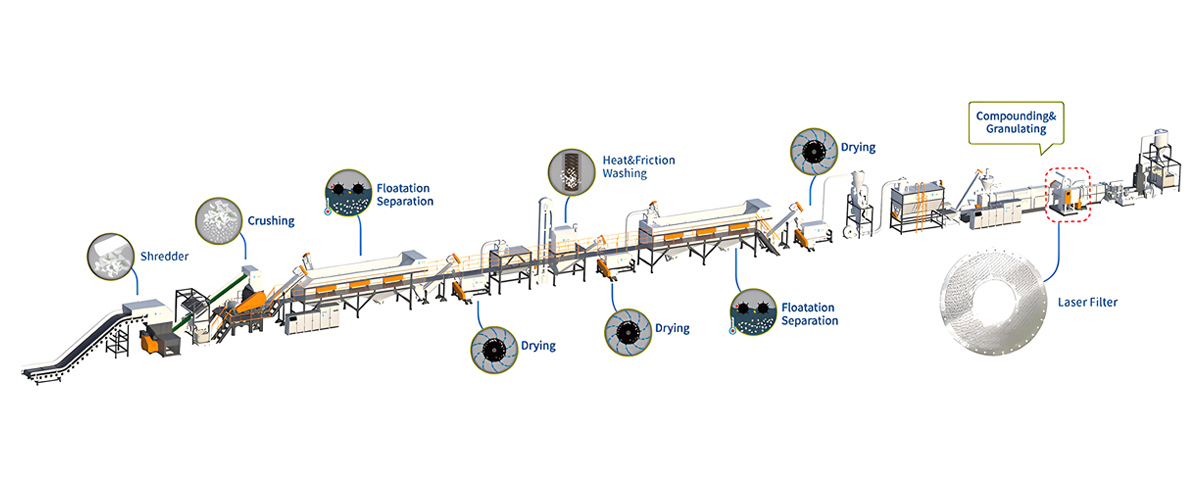
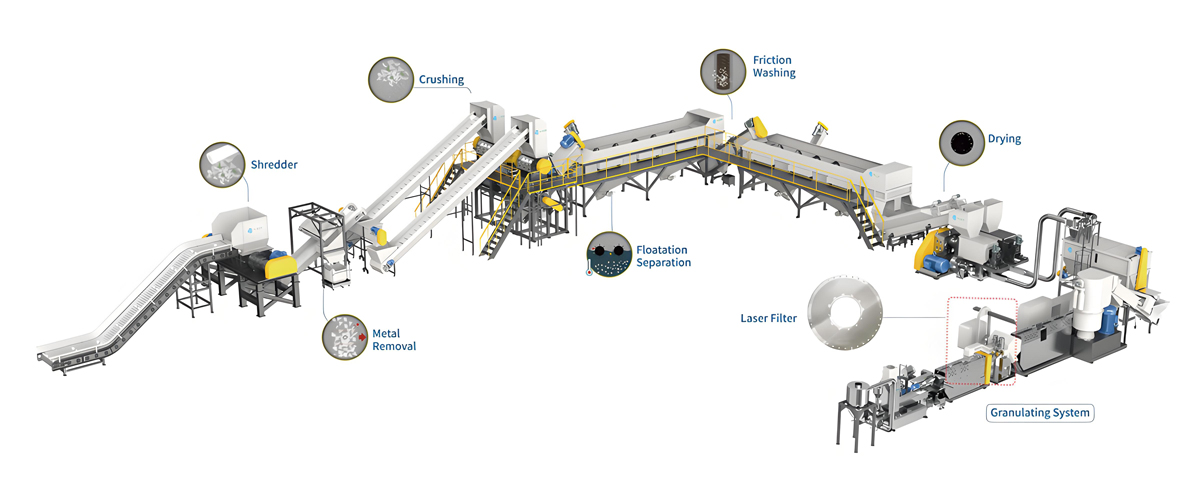
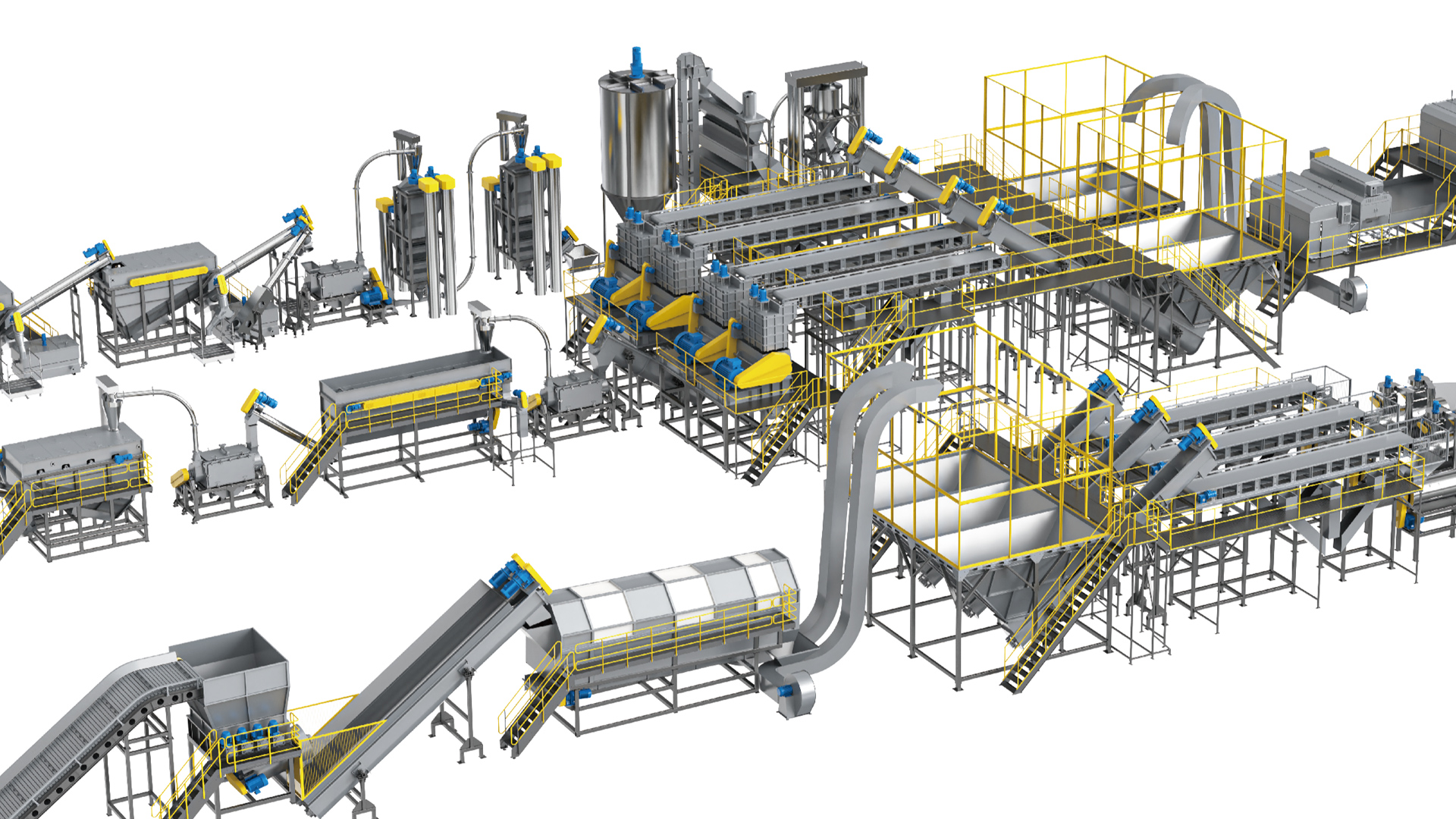
High capacity plastic recycling lines typically consist of several key components, including sorting, shredding, washing, drying, extrusion, and pelletizing systems. These components work together to transform raw plastic waste into clean, homogeneous pellets that meet industry standards for quality and purity.
Benefits of High Capacity Plastic Recycling Lines
1. Efficient Waste Management
High capacity recycling lines can process large quantities of plastic waste in a short period, significantly reducing the volume of plastic sent to landfills or incinerators. This helps to conserve valuable landfill space and reduce greenhouse gas emissions associated with plastic waste disposal.
2. Cost Savings
By recycling plastic waste instead of producing new plastic from virgin materials, companies can save money on raw material costs, energy consumption, and waste disposal fees. High capacity recycling lines are designed for maximum efficiency, minimizing energy use and maximizing output, which further reduces operational costs.
3. Environmental Benefits
Recycling plastic helps to conserve natural resources, reduce energy consumption, and minimize environmental pollution. High capacity recycling lines enable large-scale recycling operations, which have a greater impact on reducing plastic waste and promoting sustainable practices.
4. Product Quality
High capacity recycling lines are equipped with advanced technologies to ensure that the recycled plastic meets strict quality standards. This includes efficient washing and drying systems, precise extrusion and pelletizing processes, and quality control measures to remove contaminants and ensure consistent pellet size and shape.
Key Components of High Capacity Plastic Recycling Lines
1. Sorting System
The sorting system is the first step in the plastic recycling process, where plastic waste is sorted based on its type, color, and quality. This helps to ensure that only suitable plastic materials are processed further, improving the quality of the recycled plastic and reducing the risk of contamination.
High capacity sorting systems typically use a combination of manual sorting, automated optical sorting, and magnetic separation to efficiently separate different types of plastic waste. Optical sorting systems use sensors and cameras to identify and separate plastic based on its polymer type, color, and size, while magnetic separation removes metal contaminants.
2. Shredding and Granulating
After sorting, the plastic waste is shredded into smaller pieces to facilitate further processing. High capacity shredding systems use powerful rotating blades to reduce large plastic items into small, uniform-sized flakes or granules. The size of the shredded plastic depends on the specific recycling process and the desired end product.
For large volume operations, industrial shredders with high torque and cutting power are used to handle tough materials such as plastic drums, pipes, or thick-walled containers. These shredders can process several tons of plastic waste per hour, making them suitable for large-scale recycling facilities.
3. Washing and Cleaning
The washing and cleaning system is critical for removing contaminants such as dirt, labels, ink, residual food, or chemicals from the plastic waste. This helps to improve the quality of the recycled plastic and ensure that it meets industry standards for purity.
High capacity washing systems typically consist of multiple stages, including pre-washing, main washing, rinsing, and drying. The plastic waste is agitated in water with detergents or cleaning agents to remove surface contaminants, and then rinsed thoroughly to remove any remaining residue. For heavily contaminated plastic waste, additional stages such as friction washing or chemical cleaning may be used.
4. Drying
After washing, the plastic waste must be dried to remove excess moisture. High capacity drying systems use a combination of hot air, centrifugal force, or vacuum technology to efficiently dry the plastic. This helps to ensure that the plastic is completely dry before it is processed in the extrusion and pelletizing stages, as moisture can cause defects in the final pellets.
5. Extrusion and Pelletizing
The extrusion and pelletizing stage is where the dried plastic waste is melted, homogenized, and formed into pellets. High capacity extrusion systems use single or twin screw extruders to melt the plastic and mix it with additives such as stabilizers, colorants, or fillers. The molten plastic is then extruded through a die to form strands, which are cooled and cut into pellets using a pelletizer.
High capacity extrusion and pelletizing systems are designed to process large volumes of plastic efficiently, with output rates ranging from several hundred to several thousand kilograms per hour. These systems are equipped with advanced control systems to ensure precise temperature and pressure control, which helps to produce consistent, high-quality pellets.
6. Quality Control
High capacity plastic recycling lines include quality control systems to monitor the quality of the recycled plastic throughout the production process. This includes testing the pellet size, density, melting point, and mechanical properties to ensure that they meet industry standards and customer specifications. Any defective pellets are removed from the production line to maintain the overall quality of the product.
Choosing a High Capacity Plastic Recycling Line
1. Capacity Requirements
The first factor to consider when choosing a high capacity recycling line is the amount of plastic waste that needs to be processed. Recycling lines are available in a range of capacities, from small-scale systems that process a few hundred kilograms per hour to large-scale systems that process several tons per hour. The capacity should be matched to the volume of plastic waste generated or available for recycling.
2. Plastic Type
Not all plastic recycling lines are designed to process all types of plastic waste. Some recycling lines are specifically designed for certain plastic types, such as PET bottles, HDPE containers, or LDPE films. It is important to choose a recycling line that is compatible with the type of plastic waste that will be processed.
3. Quality Standards
The quality of the recycled plastic is a critical factor, especially if it will be used in high-quality applications such as food packaging or medical products. High capacity recycling lines should be equipped with advanced washing and drying systems, precise extrusion and pelletizing processes, and quality control measures to ensure that the recycled plastic meets strict quality standards.
4. Energy Efficiency
High capacity recycling lines can consume a significant amount of energy, so it is important to choose a system that is energy efficient. Look for recycling lines with energy-saving features such as variable speed drives, heat recovery systems, or optimized process design to reduce energy consumption and operational costs.
5. Reliability and Maintenance
High capacity recycling lines operate continuously, so it is important to choose a system that is reliable and easy to maintain. Look for recycling lines with robust construction, high-quality components, and a simple design that minimizes the need for frequent maintenance and repairs. Also, consider the availability of spare parts and technical support from the manufacturer.
POLYRETEC High Capacity Plastic Recycling Lines
POLYRETEC is a leading manufacturer of high capacity plastic recycling lines, offering a range of solutions for large-scale plastic recycling operations. POLYRETEC recycling lines are designed to process large volumes of plastic waste efficiently and economically, producing high-quality recycled plastic pellets that meet industry standards.
POLYRETEC high capacity recycling lines include:
1. PET Bottle Recycling Line
Designed for processing PET bottles, this recycling line can handle up to 6000 kg/h of PET waste. It includes sorting, shredding, washing, drying, extrusion, and pelletizing systems, producing high-quality PET pellets suitable for use in food packaging, fibers, and other applications.
2. HDPE/LDPE Recycling Line
This recycling line is designed for processing HDPE and LDPE plastic waste, including bottles, drums, pipes, and films. It has a capacity of up to 5000 kg/h and produces high-quality HDPE/LDPE pellets that can be used to manufacture new products such as containers, pipes, and films.
3. PP Woven Bag Recycling Line
Designed for processing PP woven bags and sacks, this recycling line can handle up to 1000 kg/h of PP waste. It includes sorting, shredding, washing, drying, extrusion, and pelletizing systems, producing clean, homogeneous PP pellets suitable for use in the production of new woven bags, containers, and other products.
POLYRETEC high capacity recycling lines are equipped with advanced technologies and features to ensure maximum efficiency, reliability, and product quality. They are also designed to be energy efficient, reducing operational costs and minimizing the environmental impact of plastic recycling.
Conclusion
High capacity plastic recycling lines are essential for large-scale plastic recycling operations, enabling companies to process large volumes of plastic waste efficiently and economically. These recycling lines consist of several key components, including sorting, shredding, washing, drying, extrusion, and pelletizing systems, which work together to transform raw plastic waste into high-quality recycled plastic pellets.
When choosing a high capacity plastic recycling line, it is important to consider factors such as capacity requirements, plastic type, quality standards, energy efficiency, and reliability. POLYRETEC offers a range of high capacity recycling lines designed to meet the needs of large-scale plastic recycling operations, with advanced technologies and features to ensure maximum efficiency, product quality, and environmental sustainability.