
Introduction to Plastic Recycling Extruders
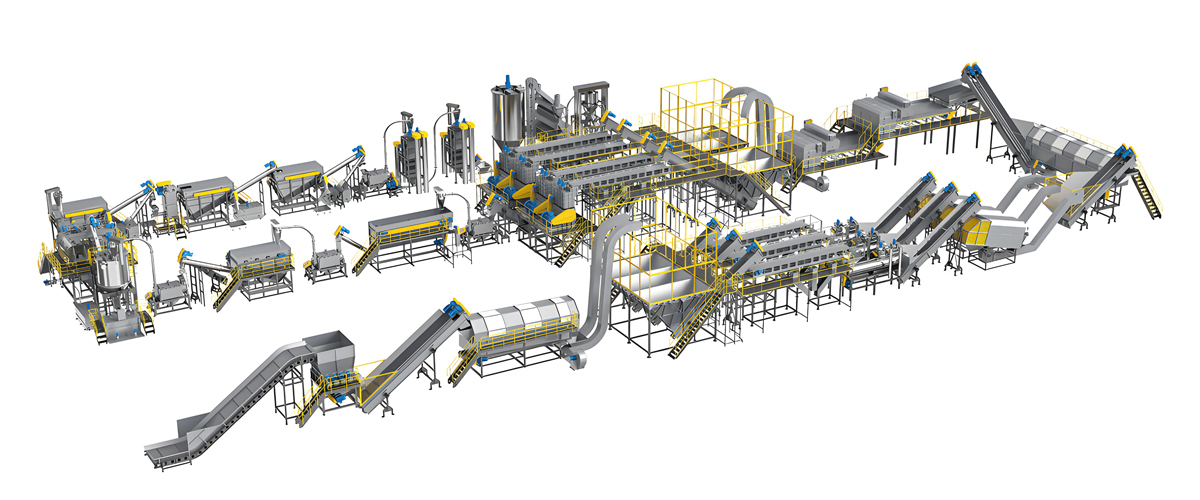
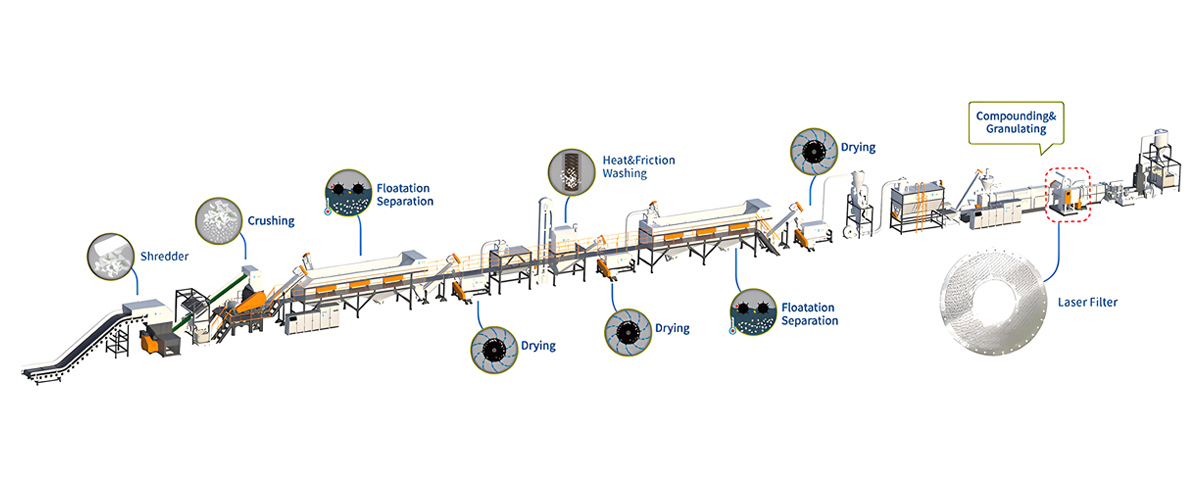
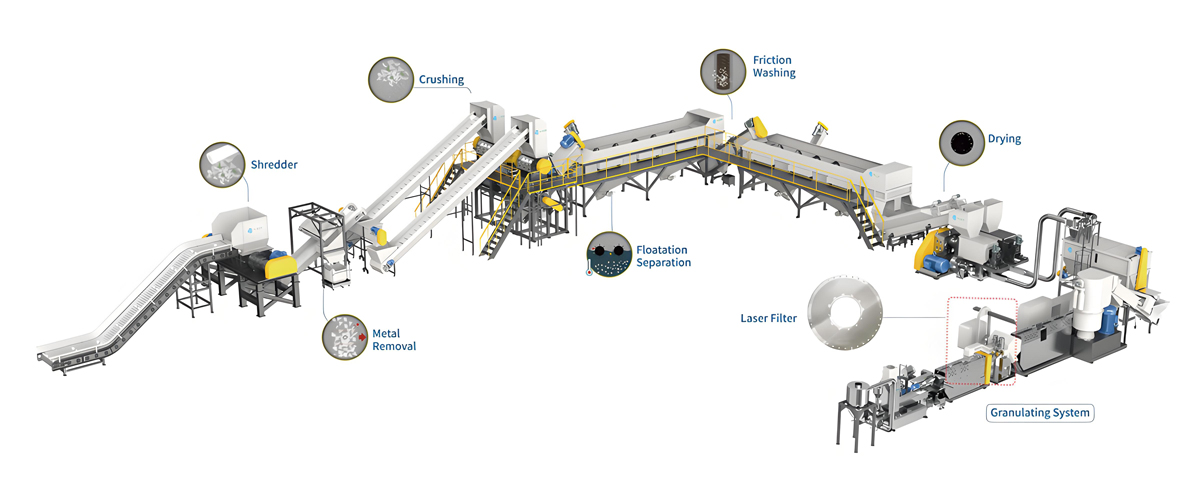
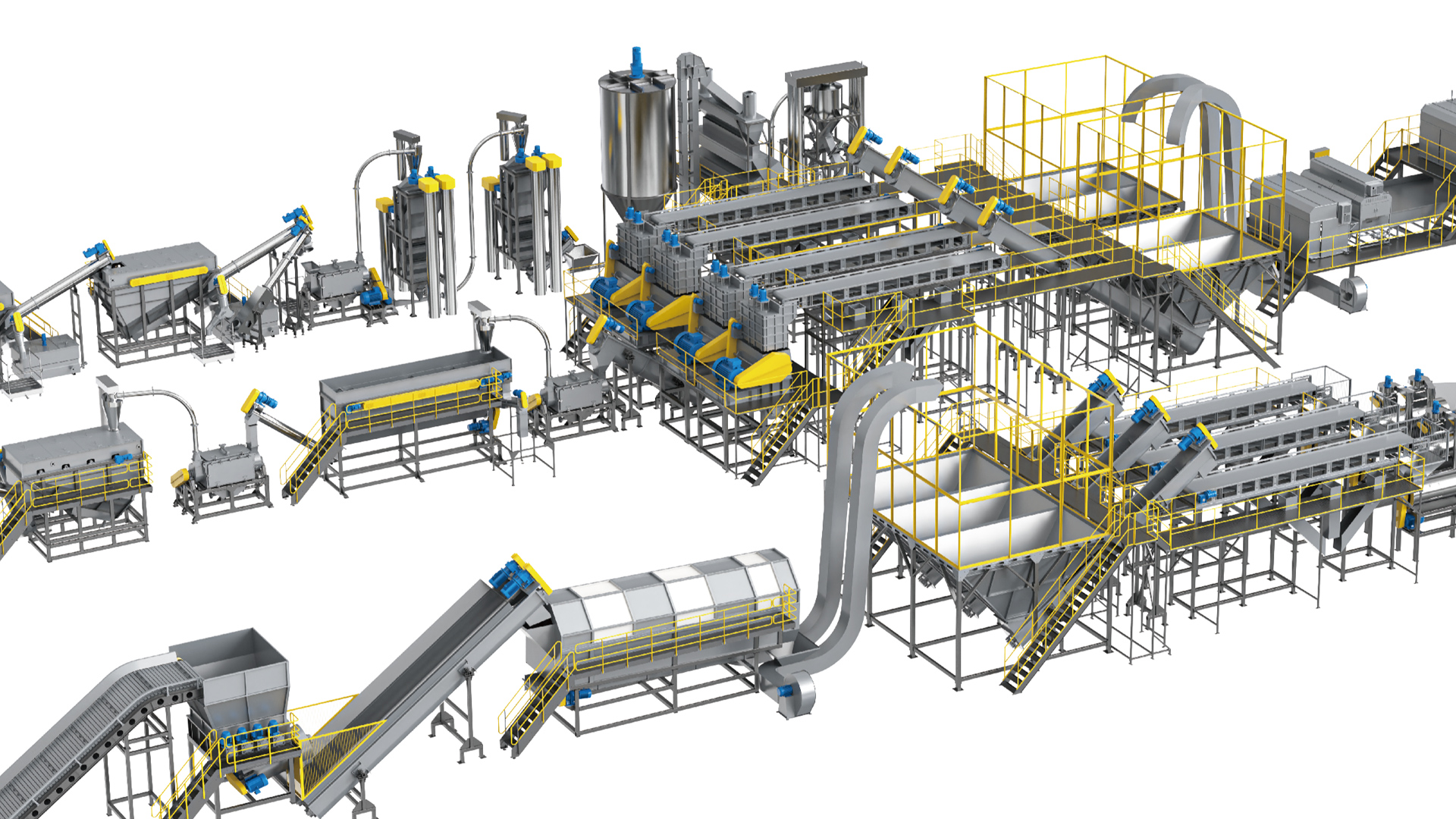
Plastic recycling extruders are essential equipment in the plastic recycling industry, responsible for converting waste plastic materials into usable pellets or granules. The process involves melting the plastic waste, filtering out impurities, and then extruding it into a form that can be further processed or directly reused. For waste materials such as woven bags and jars, which are often made from durable plastics like PP (Polypropylene) and HDPE (High-Density Polyethylene), choosing the right extruder is critical to ensuring efficient and effective recycling.
Key Features of a High-Quality Extruder for Woven Bags and Jars
1. Robust Screw Design
The screw is the heart of the extruder, responsible for melting, compressing, and conveying the plastic waste. For woven bags and jars, which may contain contaminants like dirt, labels, or residual materials, a screw with a high compression ratio and efficient mixing sections is essential. This ensures that the plastic is properly melted and homogenized, and that any impurities are evenly distributed or removed during the process.
2. Efficient Heating System
Woven bags and jars are often made from thick, rigid plastics that require significant heat to melt. A high-quality extruder should have a powerful heating system with multiple zones to ensure uniform heating across the barrel. This prevents cold spots and ensures that the plastic is melted consistently, which is crucial for producing high-quality pellets.
3. Effective Filtration System
Contaminants such as dirt, labels, and residual materials can damage the extruder and affect the quality of the final pellets. An effective filtration system, such as a screen changer or filter pack, is necessary to remove these impurities from the molten plastic. For woven bags and jars, which may contain a high level of contaminants, a robust filtration system with large filtration areas and easy screen changing capabilities is particularly important.
4. Energy Efficiency
Plastic recycling is an energy-intensive process, and energy costs can account for a significant portion of the total operational costs. A high-quality extruder should be designed to minimize energy consumption, through features such as efficient screw designs, optimized heating systems, and energy-saving motors. This not only reduces operational costs but also makes the recycling process more sustainable.
5. Durability and Reliability
Woven bags and jars are often processed in large volumes, and the extruder must be able to withstand continuous operation under harsh conditions. A durable extruder with high-quality components, such as hardened screws and barrels, and a robust frame, is essential to ensure long-term reliability and minimal downtime.
POLYRETEC Plastic Recycling Extruders for Woven Bags and Jars
POLYRETEC is a leading manufacturer of plastic recycling equipment, offering a range of extruders specifically designed for processing waste woven bags and jars. Their extruders are known for their high efficiency, reliability, and advanced features, making them an ideal choice for businesses looking to recycle these materials.
1. Single Screw Extruders
POLYRETEC’s single screw extruders are designed for processing a wide range of plastic materials, including PP woven bags and HDPE jars. These extruders feature a robust screw design with high compression ratios, ensuring efficient melting and homogenization of the plastic waste. They are also equipped with efficient heating systems and effective filtration systems, making them suitable for processing contaminated materials.
2. Twin Screw Extruders
For businesses looking to process high volumes of woven bags and jars, POLYRETEC offers twin screw extruders. These extruders feature two intermeshing screws that work together to melt, mix, and convey the plastic waste. This design provides higher throughput and better mixing capabilities compared to single screw extruders, making them ideal for processing large quantities of plastic waste.
3. Customized Solutions
POLYRETEC also offers customized extruder solutions to meet the specific needs of individual businesses. Their team of engineers can design and build extruders tailored to the type of plastic waste being processed, the required output capacity, and the desired pellet quality. This ensures that businesses get an extruder that is perfectly suited to their specific recycling requirements.
Case Studies: Successful Recycling of Woven Bags and Jars with POLYRETEC Extruders
Case Study 1: Recycling PP Woven Bags for Agricultural Applications
A large agricultural cooperative in Europe was looking to recycle PP woven bags used for packaging fertilizers and seeds. They chose a POLYRETEC single screw extruder for the job, which was able to process the woven bags efficiently and produce high-quality pellets. The pellets were then used to manufacture new agricultural bags, reducing the cooperative’s reliance on virgin plastic and lowering their carbon footprint.
Case Study 2: Recycling HDPE Jars for Industrial Applications
A manufacturing company in Asia was generating a large amount of HDPE jar waste from their production process. They invested in a POLYRETEC twin screw extruder, which allowed them to process the jars into high-quality pellets. The pellets were then used as a raw material for manufacturing new industrial containers, saving the company significant costs on virgin plastic and reducing their environmental impact.
Conclusion
Choosing the right plastic recycling extruder for waste woven bags and jars is crucial to ensuring efficient and effective recycling. A high-quality extruder should have a robust screw design, efficient heating system, effective filtration system, energy-efficient operation, and durable construction. POLYRETEC offers a range of extruders specifically designed for processing these materials, with advanced features and customized solutions to meet the specific needs of individual businesses. With their extruders, businesses can convert waste woven bags and jars into valuable resources, reducing their reliance on virgin plastic and contributing to a more sustainable future.