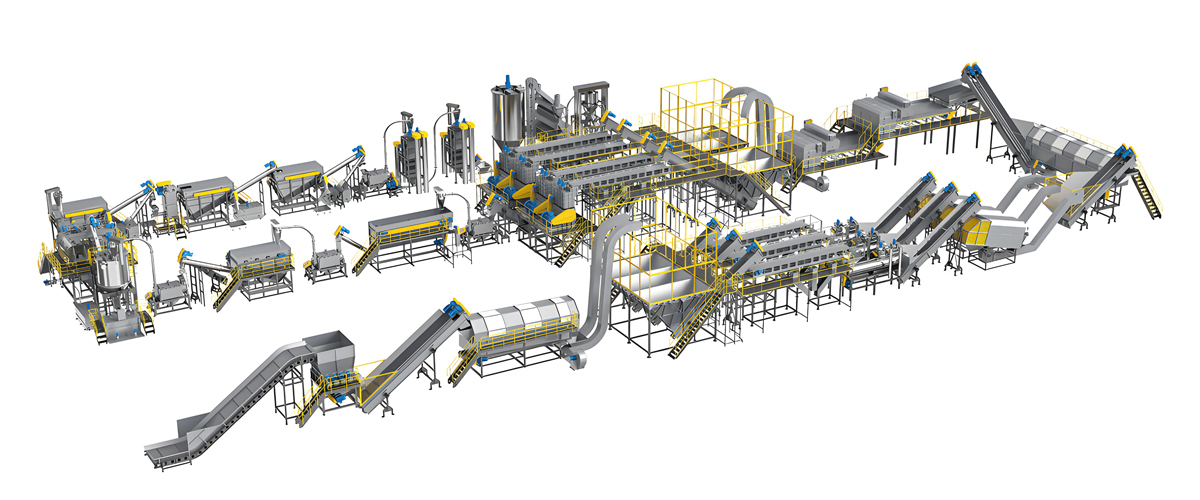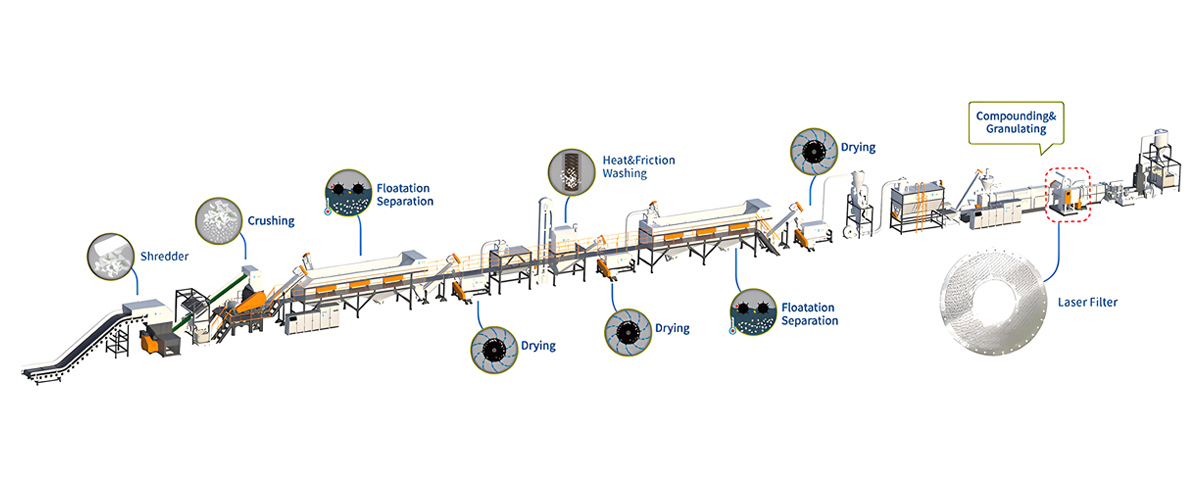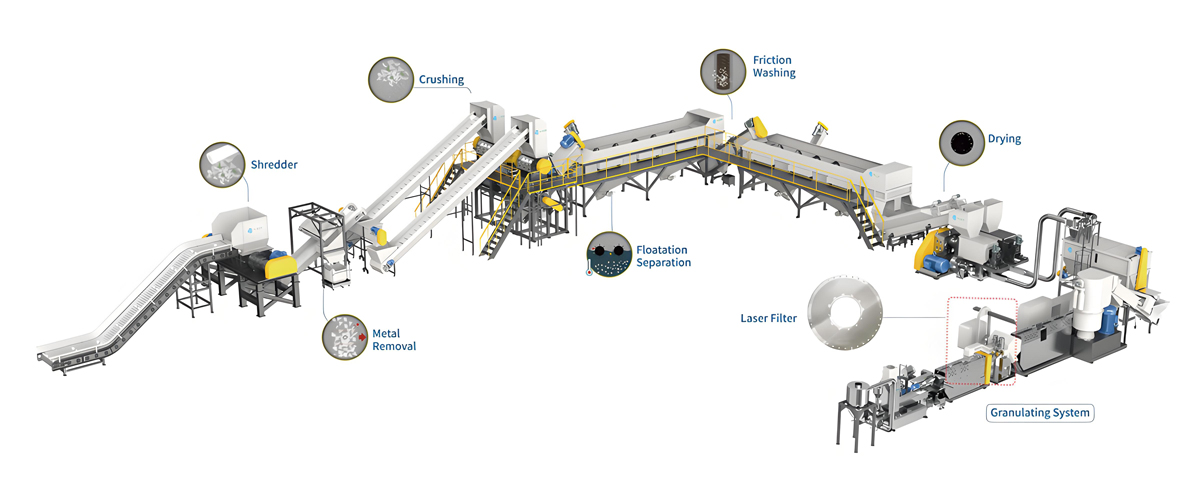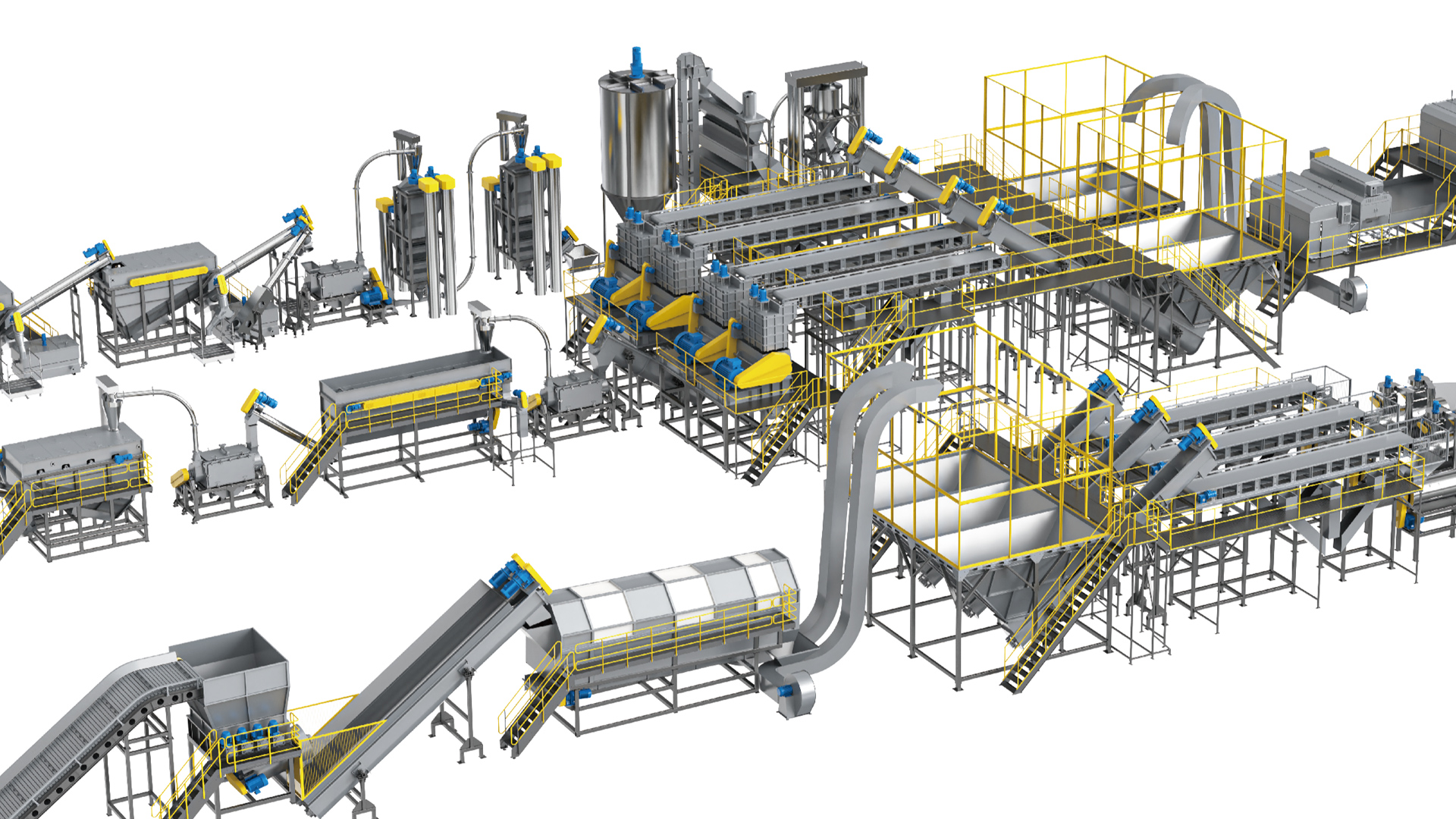

The plastic granulating machine you select fundamentally shapes the quality, consistency, and profitability of your recycled plastic production operation. Granulation represents the critical transformation step where shredded plastic materials become uniform pellets suitable for reprocessing into new products, and the equipment choices you make at this stage determine your ability to meet customer specifications, achieve production targets, and maintain competitive costs. With numerous granulating machine options available across a wide price range, understanding which equipment best serves your specific production requirements becomes essential for making sound investment decisions. This comprehensive guide examines the key factors that define granulating machine excellence, helping you identify the best plastic granulating machine for your recycled plastic production needs.
Understanding Granulating Machine Fundamentals and Applications
Plastic granulating machines transform shredded or preprocessed plastic materials into uniform granules through mechanical cutting, crushing, and reshaping operations. The resulting pellets provide consistent material form for downstream processing while enabling efficient storage, transport, and handling throughout the recycling supply chain. Different granulating technologies serve different material types and production requirements, making technology selection the foundational decision in equipment procurement. The choice between strand granulators, underwater granulators, hot die-face cutters, and other technologies significantly impacts the characteristics of produced pellets and the efficiency of production operations.
Strand Granulation Systems for Versatile Production
Strand granulation represents the most widely used granulating technology in plastic recycling applications, offering exceptional versatility across diverse material types and production volumes. These systems convert extruded plastic strands into uniform pellets through rotating cutting knives that slice continuously produced material into precise lengths. Strand granulators handle virtually all thermoplastic materials including polyethylene, polypropylene, polystyrene, PET, and engineering plastics, making them ideal for facilities processing mixed material streams or serving diverse customer requirements.
The operational principle involves forcing molten plastic through extrusion dies to form multiple parallel strands, which then pass through a water bath for cooling before entering the granulator where precision knives cut them to consistent lengths. This process produces cylindrical pellets with excellent flow characteristics and consistent dimensions that downstream processors prefer for their handling efficiency and processing predictability. Strand granulators scale effectively from small laboratory units producing a few kilograms per hour to massive industrial systems processing several thousand kilograms hourly.
Underwater Granulation for High-Quality Output
Underwater granulation systems cut plastic strands while submerged in water, providing superior cooling efficiency and pellet quality compared to conventional strand systems. The water medium rapidly absorbs heat from freshly cut pellets, preventing thermal degradation and maintaining exact dimensional control throughout the cutting process. This technology produces spherical or cylindrical pellets with highly consistent sizes, minimal fines generation, and excellent surface finish that commands premium pricing in demanding applications.
The underwater configuration eliminates airborne contamination concerns while providing inherent dust suppression that improves workplace conditions. These systems operate at lower temperatures than conventional granulators, reducing energy consumption and extending equipment life through milder operating conditions. Underwater granulation proves especially valuable for producing engineering plastics and specialty polymers where quality consistency commands significant price premiums. Investment costs run twenty to forty percent higher than conventional strand systems, but production value improvements often justify the premium for quality-focused operations.
Hot Die-Face Cutting for Premium Pellet Quality
Hot die-face cutting represents the most advanced granulation technology, cutting plastic directly at the extruder die face while still molten. This approach produces perfectly spherical pellets with exceptional uniformity that cannot be matched by conventional cutting methods. The process eliminates strand formation entirely, with plastic forced through a die plate containing hundreds of precisely drilled holes, then immediately cut by rotating knives as it emerges. Water flow carries away freshly cut pellets for subsequent cooling and drying.
Pellet quality from hot die-face cutting systems exceeds all other technologies in dimensional consistency, surface finish, and material properties preservation. The rapid quenching immediately after cutting locks in molecular orientation and prevents crystallization that can cause processing problems in downstream applications. These systems achieve the highest throughput rates of any granulation technology while maintaining quality that satisfies the most demanding customers. Investment costs run significantly higher than other technologies, but the combination of premium product quality and exceptional production efficiency creates compelling returns for high-volume operations serving quality-conscious markets.
Capacity Matching and Throughput Optimization
Right-Sizing Granulation Systems for Your Production Volume
Selecting a plastic granulating machine with appropriate capacity for your production requirements represents a critical decision that affects both capital efficiency and operational economics. Undersized systems create production bottlenecks that constrain overall throughput regardless of upstream or downstream capabilities. Oversized systems underperform relative to their capacity, wasting capital on unused production potential while often operating inefficiently at reduced load points. Comprehensive capacity analysis examines your current production volumes, realistic growth projections, and the flexibility needed to respond to market opportunities.
Production capacity requirements should account for material characteristics that affect processing time. Highly contaminated feed stocks require additional washing and drying time that reduces effective throughput. Mixed material streams may require sorting and separation steps that interrupt production flow. Materials with high moisture content demand extended drying cycles before granulation. Evaluate your specific feed stock composition and preprocessing requirements to determine realistic production rates rather than relying on theoretical equipment specifications that assume ideal material conditions.
Throughput Optimization Strategies for Granulation Lines
Maximizing throughput from your plastic granulating machine requires optimization across multiple operational parameters including feed rate consistency, cutting speed optimization, cooling efficiency, and system integration. Consistent feed rate ensures that the granulator operates continuously at design capacity without interruption from material shortage or overflow conditions. Automated feeding systems with level sensors and variable speed drives maintain optimal material flow that maximizes throughput while preventing quality variations from fluctuating input conditions.
Cutting speed optimization balances production rate against pellet quality, with faster cutting speeds enabling higher throughput but potentially compromising dimensional consistency. Modern granulating systems use programmable controllers that optimize cutting parameters based on material type and quality requirements, adjusting automatically as conditions change. Cooling system efficiency directly impacts maximum achievable throughput, as insufficient cooling forces reduced feed rates to prevent thermal damage to pellets. Investment in adequate cooling capacity pays dividends through improved throughput and quality consistency.
Pellet Quality Standards and Measurement Techniques
Understanding Customer Pellet Quality Specifications
Recycled plastic pellet quality encompasses multiple dimensions that customers evaluate when making purchasing decisions. Dimensional consistency, particularly pellet length and diameter uniformity, affects how materials flow through injection molding, extrusion, and blow molding equipment. Contamination levels including metal content, organic matter, and foreign plastic types determine processing safety and product quality in demanding applications. Color consistency and absence of burned or degraded material indicate proper processing conditions and material handling throughout production.
Different end-use applications impose varying quality requirements that affect pricing and market access. Injection molding applications require excellent flow characteristics and consistent melt behavior that depend on precise pellet geometry and narrow molecular weight distribution. Film extrusion applications demand high cleanliness and minimal gels or contamination that would create defects in thin gauge products. Fiber production requires exceptional consistency in pellet dimensions and thermal properties to maintain spinning efficiency and product quality. Understanding your target customers and their quality requirements guides equipment selection and operational optimization.
Quality Measurement and Control Systems
Effective quality management requires measurement capabilities that quantify pellet characteristics objectively. Laser diffraction systems measure particle size distribution rapidly and accurately, providing data for process control and quality documentation. Optical inspection systems detect contamination, discoloration, and visual defects that indicate processing problems. Melt flow index testing reveals molecular weight characteristics that affect processing behavior. Integrating these measurement capabilities with process controls enables automatic adjustment that maintains quality within specification limits.
Modern plastic granulating machines increasingly incorporate inline quality monitoring that measures pellet characteristics continuously during production. Optical sensors assess color consistency and detect contamination events that might escape human inspection. Laser profilometers measure pellet dimensions at production speeds, triggering automatic adjustments when measurements drift from target values. These inline capabilities provide quality assurance that random sampling approaches cannot match, ensuring consistent product quality throughout production runs.
Energy Efficiency and Operational Cost Considerations
Energy Consumption Analysis Across Granulation Technologies
Energy costs represent a significant portion of plastic granulation operating expenses, often comprising fifteen to twenty-five percent of total production costs depending on energy rates and production volumes. Granulating machine energy consumption varies substantially across technologies, with hot die-face cutters generally offering the best efficiency due to their direct cutting approach and optimized thermal management. Underwater granulators consume more energy for water circulation and heating systems but compensate through superior throughput rates and quality value. Strand granulators typically fall in the middle range for energy efficiency.
Specific energy consumption measured in kilowatt-hours per kilogram of production provides the most accurate comparison across equipment options. Quality equipment specifications should include this metric along with nominal throughput ratings. Look for equipment achieving less than 0.3 kWh per kilogram for efficient strand granulation, under 0.25 kWh per kilogram for advanced underwater systems, and below 0.2 kWh per kilogram for premium hot die-face cutting systems. These efficiency differences translate directly to operating cost advantages that accumulate throughout equipment operational life.
Total Operating Cost Optimization Strategies
Beyond energy consumption, comprehensive operating cost analysis includes labor requirements, maintenance expenses, consumable costs, and waste generation. Labor costs depend heavily on automation level, with modern granulating systems requiring minimal operator attention once properly configured. Manual cleaning, screen changes, and material handling tasks drive labor requirements for less automated systems. Evaluate total labor needs across shifts, including supervisory oversight, maintenance activities, and support functions when calculating operational cost.
Maintenance costs vary with equipment quality and operating conditions. Quality granulating machines incorporate wear-resistant components with extended service life, reducing both parts replacement frequency and associated labor costs. Cutting knives require regular sharpening or replacement depending on materials processed and production volumes. Budget approximately $0.01 to $0.03 per kilogram of production for knife maintenance on quality equipment, with higher costs indicating either aggressive operating conditions or inferior cutting technology. Screen replacements, bearing service, and drive system maintenance add additional costs that quality equipment minimizes through thoughtful design.
Material Compatibility and Processing Flexibility
Handling Diverse Plastic Types in Granulation
Polyolefin materials including polyethylene and polypropylene represent the majority of plastic recycling volumes globally, and most granulating equipment handles these materials efficiently. However, specialized applications require equipment capable of processing engineering plastics including ABS, polycarbonate, nylon, and PET with their distinct processing requirements. Material-specific considerations include melt temperature ranges, shear sensitivity, moisture sensitivity, and contamination tolerance. Understanding the material types in your recycling stream and their specific requirements guides equipment selection and configuration.
PET recycling presents particular challenges that require specialized granulating capabilities including elevated drying requirements before processing, temperature control precision to prevent hydrolysis and discoloration, and contamination detection sensitivity given PET sensitivity to moisture and foreign materials. Equipment designed specifically for PET recycling incorporates these specialized capabilities rather than attempting to process PET on equipment designed for polyolefins. Attempting to process challenging materials on unsuitable equipment produces poor quality output, excessive waste, and accelerated equipment wear that undermines operational economics.
Processing Flexibility for Mixed Material Streams
Facilities processing mixed plastic streams require granulating equipment capable of handling varying material types and contamination levels without extensive reconfiguration. Quick-change capabilities including rapid screen swapping, adjustable cutting clearances, and variable speed controls enable efficient production across material variations. Equipment with programmable settings stores optimal parameters for different materials, allowing operators to switch between production runs without manual reconfiguration. This flexibility enables facilities to serve diverse customer requirements without dedicated equipment for each material type.
Material color variations present processing challenges that affect equipment selection for facilities accepting diverse input streams. Color sorting before granulation produces more consistent output than attempting to process mixed-color materials together. However, equipment with excellent color mixing capability can process mixed colors efficiently when color consistency is not required. Evaluate your specific product requirements and customer specifications to determine appropriate processing strategies and the equipment flexibility needed to support them.
Investment Analysis and Equipment Recommendations
Budget Ranges for Different Granulation Capacities
Plastic granulating machine prices span a wide range based on capacity, technology sophistication, and quality level. Entry-level strand granulating systems with capacities around 200 to 500 kilograms per hour start at approximately $25,000 to $50,000 for basic configurations without extensive automation or quality control features. Mid-range systems with capacities of 500 to 2,000 kilograms per hour typically cost $75,000 to $150,000, incorporating better construction quality, enhanced automation, and improved efficiency. High-capacity systems above 2,000 kilograms per hour range from $200,000 to $500,000 or more depending on technology choice and feature content.
Underwater granulation systems command premium pricing due to their advanced capabilities, with entry-level configurations starting around $100,000 and high-capacity systems exceeding $400,000. Hot die-face cutting systems represent the highest investment tier, with prices starting at $200,000 for smaller systems and ranging well above $600,000 for high-capacity premium configurations. While these investments may seem substantial, financing options including equipment leasing and term loans enable facilities to acquire quality equipment while managing cash flow impact.
Return on Investment Considerations for Quality Equipment
Quality equipment investment generates returns through multiple channels including production efficiency, product value, and operational reliability. Equipment with twenty percent higher throughput capacity generates proportionally higher revenue from the same fixed cost base. Equipment producing pellets with two percent higher quality consistency may command five to ten percent price premiums in quality-sensitive markets. Reliable equipment with minimal unplanned downtime maintains production schedules that unreliable equipment cannot match.
Calculate expected return on investment by estimating the revenue impact of quality improvements, the cost savings from efficiency gains, and the value of improved reliability. Quality equipment typically pays for itself within eighteen to thirty-six months through operational advantages, with remaining operational life generating pure profit contribution. The lowest-priced equipment rarely provides the best value when evaluated on total cost and benefit basis, making quality-focused evaluation essential for sound investment decisions.
Equipment Features That Distinguish Quality Granulators
Cutting System Excellence
The cutting system represents the heart of any plastic granulating machine, determining both throughput capacity and pellet quality. Quality systems use precision-ground knives with appropriate material hardness and edge geometry for the materials being processed. Tungsten carbide and high-speed steel options provide different cost-performance balances depending on application requirements. Knife adjustability enables fine-tuning of cutting clearance for optimal pellet quality and extended knife life across material variations.
Rotor design significantly impacts cutting efficiency and knife life. Quality rotors feature dynamically balanced construction that prevents vibration and ensures consistent cutting action throughout operation. Multiple knife positions distribute wear more evenly and extend service intervals. Quick-change knife mounting systems reduce maintenance downtime when knife replacement becomes necessary. Evaluate knife quality, rotor design, and maintenance accessibility as critical factors in granulator selection.
Drive System Quality and Reliability
Drive systems transmit power from motors to cutting rotors, with quality determining both efficiency and reliability. Direct drive configurations eliminate belt or gearbox losses for maximum efficiency but offer less flexibility for speed adjustment. Belt drive systems provide adjustable speed capability and overload protection but introduce efficiency losses and maintenance requirements. Gearbox drives offer durability and precision but add complexity and cost. Evaluate drive configurations for your specific application requirements considering efficiency, maintenance, and flexibility needs.
Motor quality directly affects both efficiency and reliability. Premium efficiency motors from established manufacturers deliver better performance over extended operational life compared to generic alternatives. Variable frequency drive (VFD) compatibility enables speed adjustment for different materials and operating conditions. Look for motors with appropriate power ratings and service factors for continuous duty operation at rated capacity without overheating or premature failure.
Control System Sophistication and Integration
Modern plastic granulating machines rely on sophisticated control systems that optimize performance and enable remote monitoring. Programmable logic controllers coordinate material feeding, cutting speeds, cooling systems, and output handling for automated operation. Touch screen operator interfaces provide intuitive access to operational parameters, production data, and diagnostic information. Integration with plant-wide control systems enables centralized monitoring and coordination across multiple production lines.
Data collection and reporting capabilities support continuous improvement and quality documentation. Systems that log production parameters, quality measurements, and equipment status enable analysis that identifies optimization opportunities. Production reporting features simplify operations management and customer quality documentation. Remote access capabilities enable supplier support and owner monitoring from any location with internet connectivity. These capabilities increasingly differentiate quality equipment from basic alternatives.
Installation, Setup, and Operational Readiness
Site Preparation Requirements
Successful granulating machine installation requires appropriate site preparation that supports equipment operation and maintenance. Structural requirements include floor loading capacity for equipment weight plus material loads, adequate height clearance for maintenance access, and appropriate foundation preparation for vibration isolation. Electrical requirements include adequate power supply capacity, appropriate voltage and phase configuration, and proper grounding systems. Utility requirements include water supply and drainage for cooling systems, air supply for pneumatic components, and material handling infrastructure for input and output logistics.
Environmental requirements address air quality, temperature control, and acoustic considerations. Granulation processes generate heat, noise, and potentially airborne particles that require appropriate environmental management. Ventilation systems must remove process heat and maintain acceptable ambient temperatures. Noise attenuation may be required for equipment located near sensitive areas or personnel spaces. Air filtration protects both equipment and workers when processing generates airborne material.
Operator Training and Operational Readiness
Quality equipment suppliers provide comprehensive training that ensures operators understand equipment capabilities and operational procedures. Training programs should cover normal operation, startup and shutdown procedures, quality adjustment techniques, maintenance requirements, and troubleshooting approaches. Hands-on training with actual equipment provides experience that classroom instruction cannot replicate. Plan for training costs and scheduling as part of overall equipment implementation.
Documentation review and operational procedure development prepares facilities for consistent production operation. Equipment documentation including manuals, drawings, and specifications should be organized and accessible to operations and maintenance personnel. Develop standard operating procedures that codify best practices and ensure consistent production quality regardless of which operator is running equipment. Establish maintenance schedules and procedures that maximize equipment reliability while minimizing unnecessary service activities.
Maintenance Best Practices for Granulation Equipment
Preventive Maintenance Scheduling and Execution
Preventive maintenance prevents equipment failures and maintains optimal performance throughout operational life. Establish maintenance schedules based on equipment manufacturer recommendations adjusted for your specific operating conditions. Daily inspections identify emerging problems before they cause failures, including checking knife condition, screen integrity, and lubricant levels. Weekly maintenance addresses wear items and adjustments including knife sharpening or replacement, belt tension, and alignment verification.
Monthly and quarterly maintenance addresses components with longer service intervals including bearing inspection and lubrication, drive system service, and control system calibration. Annual maintenance includes comprehensive equipment inspection, major component evaluation, and overhaul of worn components before they fail. Document all maintenance activities to identify recurring issues and optimize maintenance scheduling over time.
Troubleshooting Common Granulation Problems
Common granulation problems include inconsistent pellet size, excessive fines generation, equipment vibration, and material bridging or feeding issues. Each problem typically has identifiable causes that systematic troubleshooting can reveal. Inconsistent pellet size often indicates knife wear, improper cutting clearance, or feeding inconsistencies. Excessive fines suggest dull knives, excessive feeding rates, or improper material preparation. Equipment vibration may indicate unbalanced rotors, worn bearings, or foundation problems.
Develop troubleshooting guides specific to your equipment and operational conditions. Document problems encountered, their causes, and corrective actions taken to build institutional knowledge that improves future troubleshooting efficiency. Equipment suppliers often provide technical support that helps diagnose and resolve problems, particularly during initial operation when unfamiliarity with equipment is highest. Take advantage of supplier support capabilities during warranty periods when such assistance is typically provided at no additional cost.
Selecting the Best Granulating Machine for Your Needs
Decision Framework for Equipment Selection
Selecting the best plastic granulating machine requires matching equipment capabilities to your specific production requirements, material characteristics, quality objectives, and budget constraints. Begin by clearly defining your production requirements including volume targets, material types, quality specifications, and operational flexibility needs. These requirements form the foundation for evaluating equipment options against criteria that matter for your situation rather than generic specifications that may not reflect your actual needs.
Evaluate equipment across multiple dimensions including technology appropriateness, capacity matching, quality capability, efficiency performance, reliability expectations, support availability, and total cost of ownership. Weight these criteria according to their importance for your specific situation. A facility processing demanding engineering plastics should weight quality capability heavily, while one processing high volumes of standard polyolefins may prioritize throughput and efficiency. No single equipment option represents the best choice for all situations; the best equipment is the one that best matches your specific requirements.
Long-Term Strategic Considerations
Equipment purchases create commitments that affect operations for years or decades, making long-term strategic considerations essential. Consider how your production requirements may evolve as markets change, regulations develop, and customer needs shift. Equipment flexibility for future adaptations, scalability for capacity expansion, and compatibility with emerging technologies all influence long-term value. The lowest-cost equipment for current requirements may prove expensive when requirements change and replacement becomes necessary.
Supplier relationship quality affects long-term value beyond initial equipment transaction. Suppliers committed to customer success provide ongoing support, continuous improvement, and partnership approaches that benefit operations over time. Evaluate supplier stability, market position, and support infrastructure as factors that influence long-term relationship value. The goal is building supplier partnerships that support your business growth rather than simply acquiring equipment transactions that leave you on your own after purchase.
Conclusion
Selecting the best plastic granulating machine for your recycled plastic production operation requires careful evaluation of multiple factors including technology choice, capacity matching, quality capability, efficiency performance, and total cost of ownership. The investment you make in quality equipment pays dividends throughout operational life through superior throughput, enhanced product value, and reliable performance that cheaper alternatives cannot match. Understanding these factors positions you to make decisions that serve your business well for years to come.
The granulating machine you select shapes your ability to compete in markets that increasingly demand consistent quality and competitive pricing. Invest the time and effort necessary to evaluate options thoroughly, select appropriate technology for your requirements, and choose suppliers committed to your long-term success. Your granulation capability represents a strategic asset that determines how effectively you can transform recycled materials into valuable products that serve growing circular economy demands.
Move forward with confidence in your granulating machine selection, knowing that you have evaluated options systematically and chosen equipment aligned with your production requirements, quality objectives, and business strategy. The comprehensive evaluation approach outlined in this guide produces decisions you can feel good about, both immediately after purchase and throughout years of successful operation.