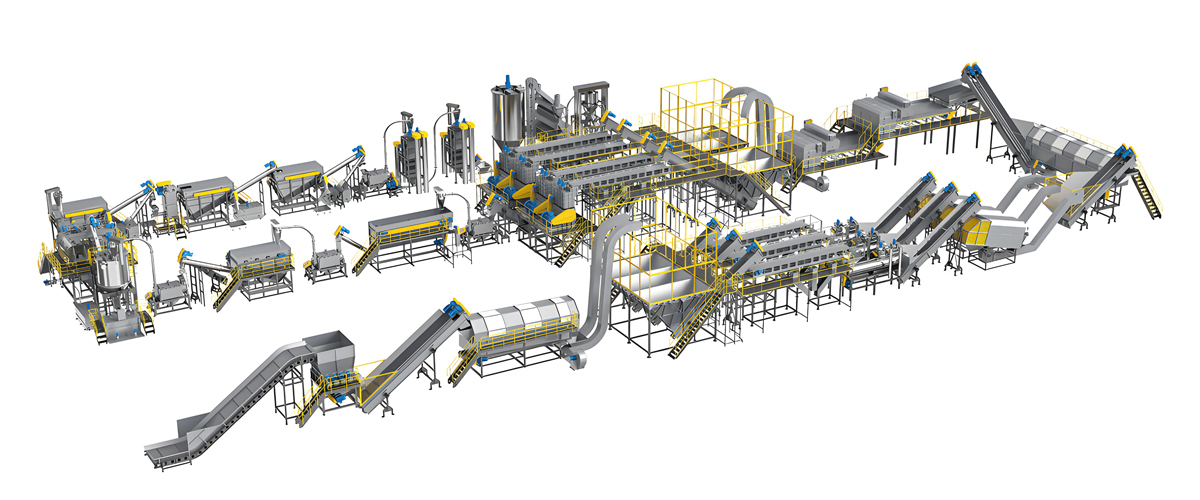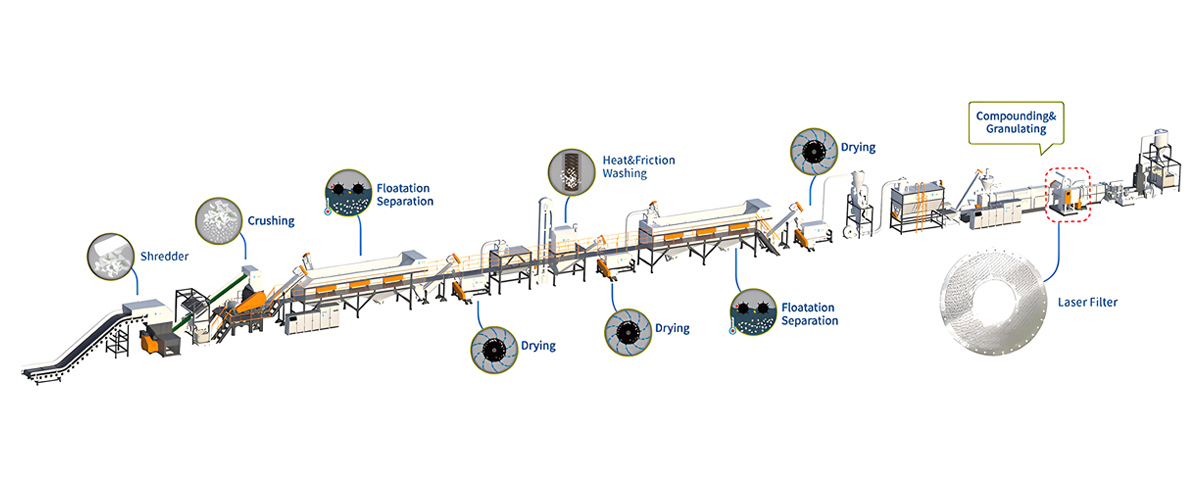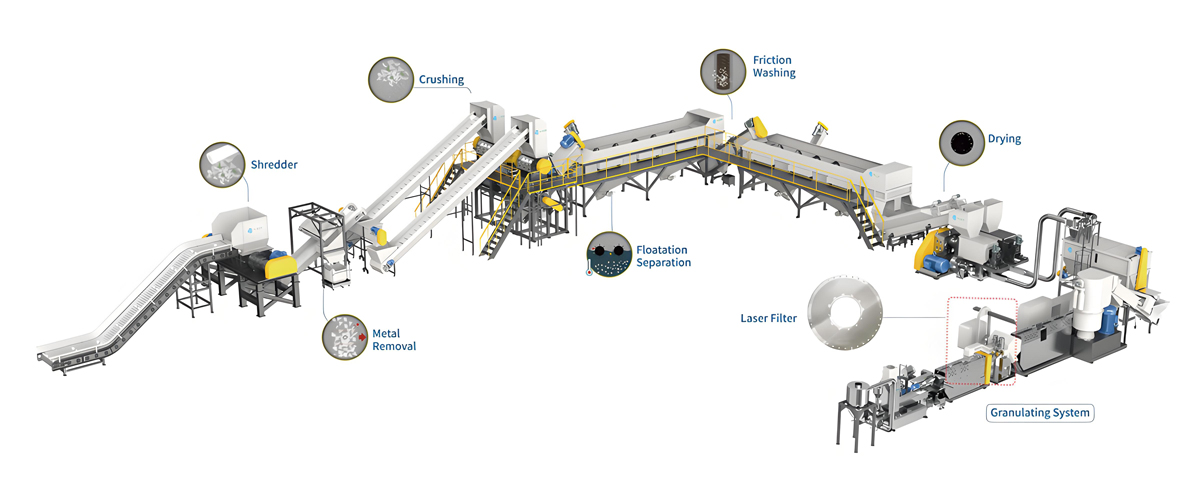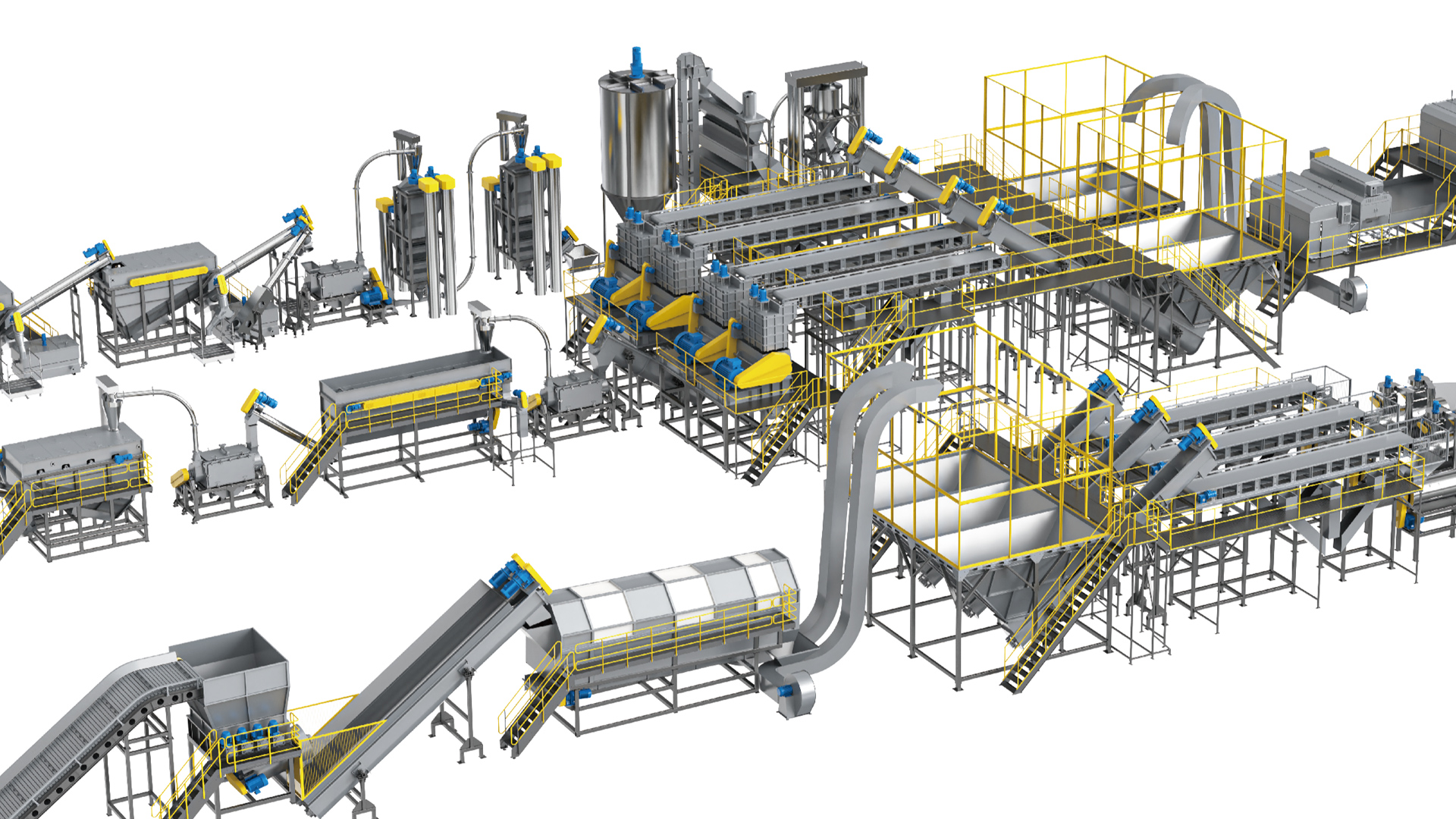

In today’s rapidly evolving business landscape, sustainability has become a critical factor in long-term success. As global awareness of plastic pollution grows, companies are increasingly seeking eco-friendly solutions to reduce their environmental footprint. Eco-friendly plastic recycling machinery offers a sustainable path forward, enabling businesses to transform plastic waste into valuable resources while minimizing energy consumption and emissions. This guide explores the key features, benefits, and applications of green recycling technology.
The Importance of Eco-Friendly Recycling Machinery
Traditional plastic recycling processes often have significant environmental impacts, including high energy consumption, water pollution, and greenhouse gas emissions. Eco-friendly machinery addresses these issues by incorporating advanced technologies that:
- Reduce energy consumption by up to 70% compared to conventional systems
- Minimize water usage through closed-loop recycling systems
- Eliminate harmful emissions through advanced filtration and purification systems
- Produce high-quality recycled materials that can replace virgin plastic in various applications
Key Features of Sustainable Plastic Recycling Machinery
1. Energy Efficiency
Green recycling equipment incorporates energy-saving technologies to minimize operational costs and environmental impact:
- IE4-rated motors: High-efficiency motors that reduce energy consumption by up to 50% compared to standard systems.
- Electromagnetic heating: Advanced heating systems that use 30-50% less energy than traditional resistance heating while providing faster and more uniform heating.
- Heat recovery systems: Capture and reuse thermal energy from extrusion processes to preheat raw materials, reducing overall energy demand.
- Variable frequency drives (VFDs): Optimize motor speed based on actual load, reducing energy waste during low-demand periods.
2. Water Conservation
Water-intensive washing processes are a major concern in plastic recycling. Eco-friendly machinery addresses this issue through:
- Closed-loop water systems: Recycle and reuse up to 90% of process water, reducing freshwater consumption by 70% compared to open-loop systems.
- Low-water washing technologies: Use mechanical scrubbing and air classification instead of water-intensive cleaning methods where possible.
- Advanced wastewater treatment: Integrated filtration systems remove contaminants from process water, allowing safe discharge or reuse.
3. Emission Reduction
Plastic recycling can release volatile organic compounds (VOCs) and other pollutants. Green machinery incorporates emission control technologies:
- Activated carbon filters: Capture VOCs and other gaseous emissions during extrusion processes.
- High-efficiency particulate air (HEPA) filters: Remove fine particles and dust from air emissions, improving workplace air quality.
- Sealed processing chambers: Prevent the release of harmful fumes into the environment during melting and extrusion.
4. Material Recovery Efficiency
Eco-friendly machinery maximizes material recovery rates, reducing waste and increasing resource utilization:
- Advanced sorting technologies: Optical sorters and AI-driven systems that achieve up to 99% accuracy in separating different plastic types.
- Precision cutting systems: Ensure uniform particle sizes, minimizing material loss during processing.
- Zero-waste processing: Systems designed to recover 100% of plastic feedstock, with no material sent to landfill during normal operations.
Case Studies: Leading Eco-Friendly Recycling Equipment Providers
Case 1: ACERETECH Plastic Recycling Solutions
Company Overview: ACERETECH is a global leader in manufacturing sustainable plastic recycling machinery with over 27 patents and certifications including CE, FDA, and ISO.
Key Technologies:
- Energy-efficient extrusion systems: Reduce energy consumption by 40% through optimized screw design and electromagnetic heating.
- Closed-loop water systems: Recycle 90% of process water, reducing water usage by 70% compared to conventional systems.
- Modular design: Allows customized configurations that minimize material waste during setup and operation.
Sustainability Impact: ACERETECH’s machinery helps customers reduce carbon emissions by 2.1 tons per ton of plastic recycled compared to virgin plastic production. Their systems have been installed in over 100 countries, contributing to global waste reduction efforts.
Case 2: GREENMAX Foam Compression Systems
Company Overview: GREENMAX specializes in eco-friendly foam recycling machinery that compresses EPS, EPE, and XPS foam with minimal environmental impact.
Key Technologies:
- Cold compression technology: Uses mechanical pressure instead of heat to compress foam, reducing energy consumption by 80% compared to hot-melt systems.
- Zero-emission processing: No heat generation means no VOC emissions during compression, ensuring compliance with strict environmental regulations.
- High compression ratio: Reduces foam volume by up to 90%, lowering transportation costs and storage space requirements.
Sustainability Impact: GREENMAX systems have recycled over 100,000 tons of foam plastic worldwide, preventing millions of tons of CO₂ emissions and reducing landfill usage by thousands of cubic meters.
Case 3: Rumtoo AI-Integrated Recycling Lines
Company Overview: Rumtoo combines AI technology with eco-friendly design to create highly efficient recycling systems for mixed plastic waste.
Key Technologies:
- AI-driven sorting systems: Machine learning algorithms that achieve 99.5% accuracy in separating different plastic types, reducing contamination rates by 95%.
- Energy recovery systems: Capture kinetic energy from rotating machinery and convert it into electricity, supplementing up to 20% of operational power needs.
- Carbon footprint monitoring: Real-time tracking of emissions and resource usage allows customers to measure their sustainability performance and identify areas for improvement.
Sustainability Impact: Rumtoo’s systems help customers reduce overall energy consumption by 50% and achieve carbon neutrality in recycling operations through renewable energy integration.
Choosing the Right Eco-Friendly Recycling Machinery
1. Assess Your Sustainability Goals
Define clear environmental targets such as energy reduction, water conservation, or carbon neutrality to guide equipment selection. For example:
- Focus on energy-efficient motors and heat recovery systems if reducing carbon emissions is your primary goal.
- Prioritize closed-loop water systems if water scarcity is a concern in your region.
- Opt for emission control technologies to comply with strict air quality regulations.
2. Evaluate Equipment Efficiency Metrics
Look for machinery that provides transparent performance data:
- Energy consumption per ton: Compare kWh/kg rates across different equipment models.
- Water usage ratios: Check how much water is required per ton of processed plastic.
- Material recovery rate: Ensure the system can recover at least 95% of input material.
3. Consider Total Cost of Ownership
While initial investment may be higher for eco-friendly equipment, long-term savings can offset these costs:
- Energy savings: Calculate annual energy cost reductions based on efficiency improvements.
- Water cost savings: Estimate savings from reduced freshwater usage and wastewater treatment costs.
- Compliance costs: Avoid fines for non-compliance with environmental regulations through green technology investment.
4. Verify Environmental Certifications
Choose equipment with recognized sustainability certifications:
- ISO 14001: Environmental management system certification ensuring compliance with global standards.
- CE marking: Compliance with EU health, safety, and environmental protection standards.
- FDA approval: Certification for food-grade recycling applications.
Integrating Eco-Friendly Machinery into Business Operations
1. Conduct a Sustainability Audit
Assess your current recycling operations to identify areas for improvement:
- Measure current energy and water consumption per ton of processed plastic.
- Evaluate existing emissions control systems and identify gaps in compliance.
- Analyze material recovery rates and identify opportunities to reduce waste.
2. Develop a Sustainability Roadmap
Create a phased plan for implementing green technology:
- Short-term (1-2 years): Upgrade to energy-efficient motors and basic closed-loop water systems.
- Medium-term (3-5 years): Integrate AI sorting systems and advanced emission control technologies.
- Long-term (5+ years): Achieve carbon neutrality through renewable energy integration and circular economy practices.
3. Train Staff on Sustainable Practices
Ensure employees understand the importance of eco-friendly operations:
- Provide training on equipment operation and maintenance to maximize efficiency.
- Develop standard operating procedures for energy and water conservation.
- Create incentive programs for employees who identify sustainability improvements.
Future Trends in Eco-Friendly Recycling Technology
1. AI-Driven Optimization
Machine learning algorithms will become increasingly sophisticated in optimizing recycling processes:
- Real-time adjustment of processing parameters based on material characteristics.
- Predictive maintenance systems that reduce downtime and improve equipment reliability.
- Intelligent material tracking that enables complete lifecycle analysis of recycled products.
2. Green Energy Integration
Recycling facilities will increasingly rely on renewable energy sources:
- On-site solar panels and wind turbines to power operations.
- Energy storage systems that allow facilities to operate off-grid during peak demand periods.
- Biofuel-powered generators that use organic waste from recycling processes as fuel.
3. Circular Economy Models
Eco-friendly machinery will enable closed-loop recycling systems that:
- Produce recycled materials with properties equivalent to virgin plastic.
- Enable direct reuse of recycled materials in manufacturing processes without downgrading quality.
- Support extended producer responsibility (EPR) programs that require manufacturers to take back and recycle their products.
4. Nanotechnology Applications
Emerging nanotechnologies will enhance recycling efficiency:
- Nano-filtration systems that remove microscopic contaminants from recycled materials.
- Nano-coatings that improve the durability and performance of recycling equipment components.
- Nano-sensors that provide real-time monitoring of material quality and processing conditions.
Conclusion: Building a Sustainable Recycling Business
Eco-friendly plastic recycling machinery represents a critical investment for businesses seeking to balance profitability with environmental responsibility. By adopting green technology, companies can reduce operational costs, comply with increasingly strict regulations, and enhance their brand image as sustainable leaders. As technology continues to advance, the future of plastic recycling looks brighter than ever, with innovations that will enable us to create a truly circular economy where plastic waste is no longer a problem but a valuable resource.