
Operating plastic recycling equipment requires specialized knowledge and technical skills that cannot be acquired through simple on-the-job observation. Companies investing in plastic recycling machines need comprehensive training programs to ensure their maintenance staff can operate equipment efficiently, prevent costly breakdowns, and maximize the return on investment for their recycling operations. This comprehensive guide provides detailed insights into building an effective training program for maintenance personnel working with plastic recycling equipment, covering everything from basic technical skills to advanced troubleshooting techniques.
Understanding the Fundamentals of Plastic Recycling Equipment
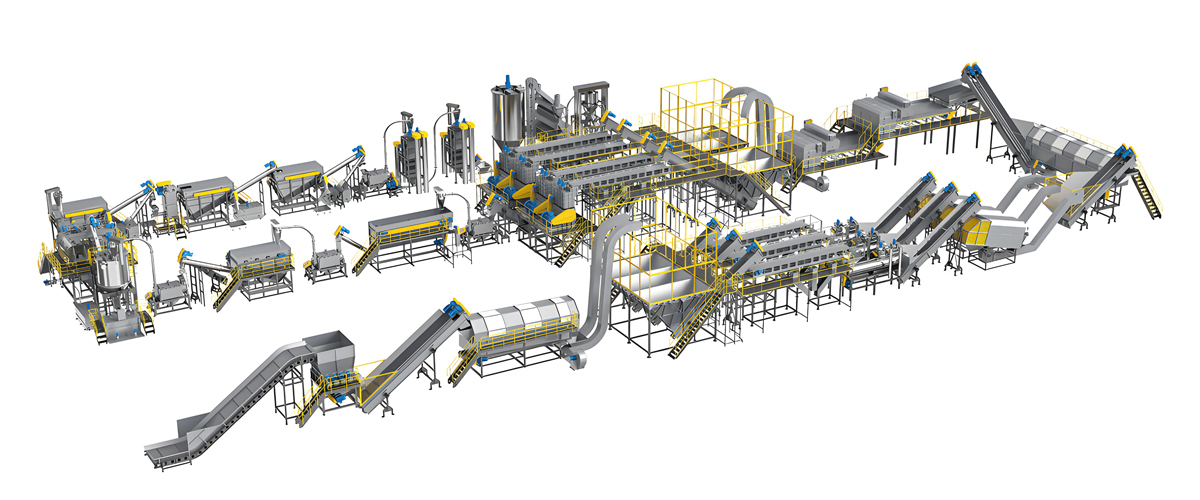
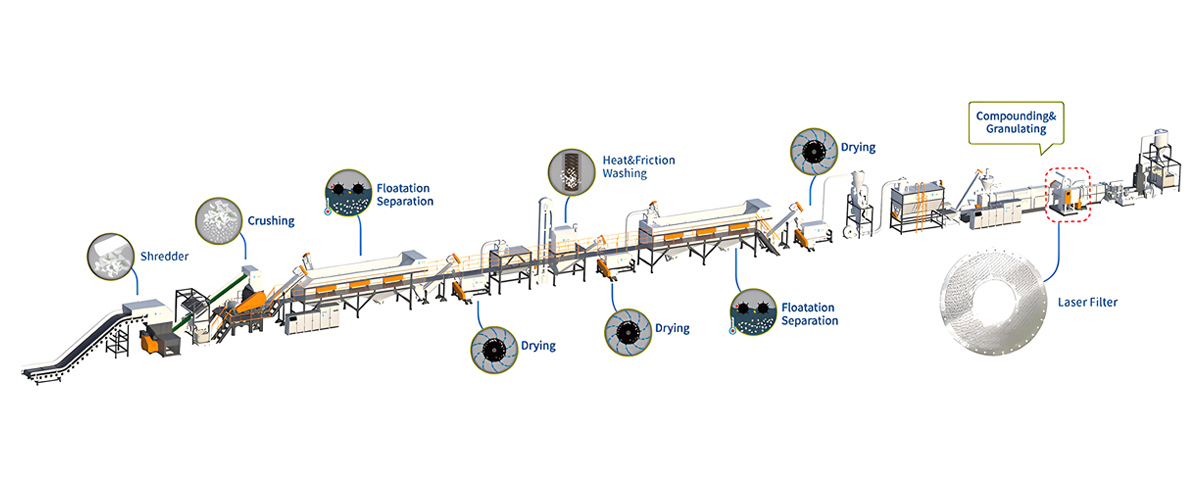
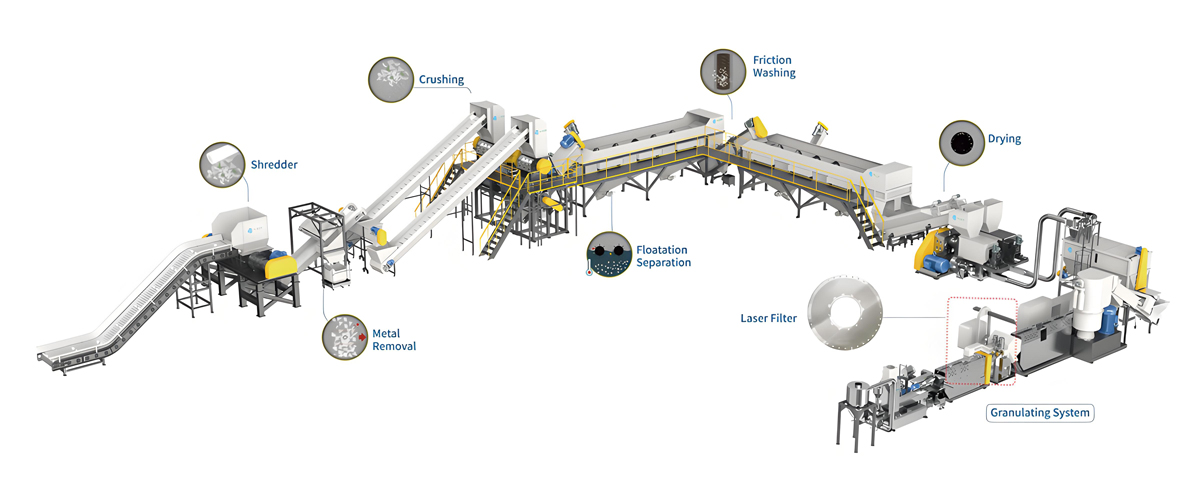
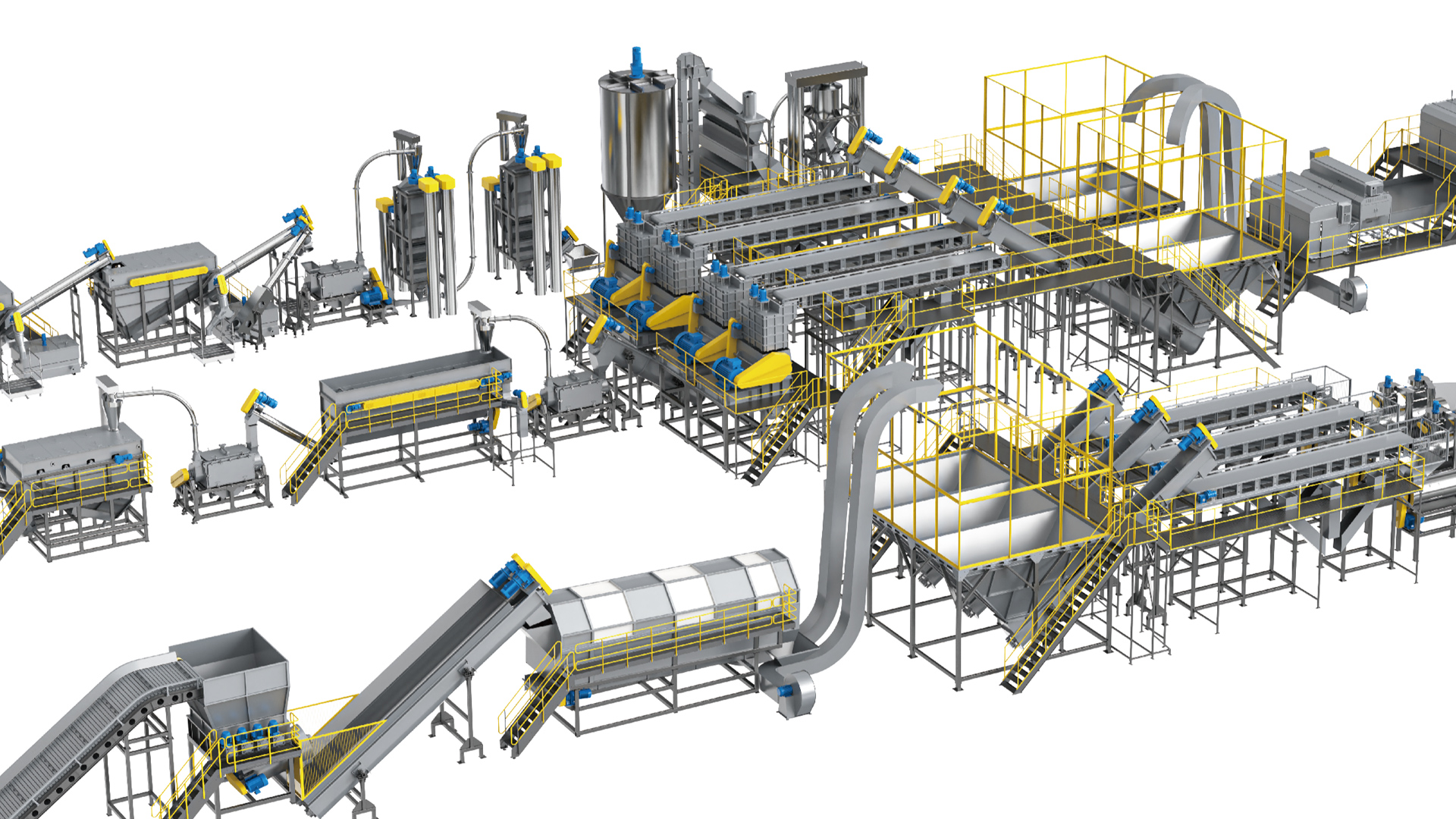
Before diving into specific maintenance procedures, your staff needs a solid understanding of how plastic recycling equipment functions as an integrated system. Modern plastic recycling machines consist of multiple components that work together to transform waste plastic into reusable materials. The primary equipment types include plastic shredders, plastic washing lines, plastic pelletizing machines, and complete recycling systems that combine these functions. Each piece of equipment has unique maintenance requirements that your team must understand thoroughly.
The Basic Components of Plastic Recycling Machinery
Plastic recycling equipment typically includes several core systems that maintenance staff must comprehend. The feeding system introduces raw materials into the machine and requires regular inspection of conveyors, hoppers, and feeding mechanisms to ensure consistent material flow. The processing chamber contains cutting or grinding elements that physically transform plastic waste into smaller pieces or pellets. The separation system removes contaminants and separates different types of plastics through various methods including air separation, water flotation, and density separation.
The heating and extrusion system plays a critical role in plastic recycling machines, particularly in pelletizing equipment where plastic is melted and reformed into granules. This system requires careful attention to temperature controls, screw configurations, and die maintenance. Finally, the cooling and collection system ensures that processed materials reach the correct temperature before packaging or further processing. Understanding these interconnected systems helps maintenance staff identify potential issues before they escalate into major problems.
Types of Plastic Recycling Equipment and Their Maintenance Needs
Different types of plastic recycling equipment require specialized maintenance approaches. Single shaft shredders used for initial size reduction need regular blade maintenance, belt tension checks, and hydraulic system inspection. Double shaft shredders offer higher throughput but require more complex maintenance routines including gear box oil changes and bearing inspections. Plastic washing lines involve numerous components including soaking tanks, friction washers, and centrifugal dryers, each requiring specific maintenance protocols.
Pelletizing machines represent the most technically demanding equipment in plastic recycling operations. These machines require precise temperature management, screw wear monitoring, and die plate maintenance. The extrusion system components including barrels, screws, and dies experience significant wear over time and require regular inspection and replacement schedules. Cold water pelletizers and strand pelletizers each have unique maintenance requirements that your training program should address specifically.
Building a Comprehensive Training Curriculum
Effective training programs for plastic recycling equipment maintenance should follow a structured approach that builds skills progressively. A well-designed curriculum takes new technicians from basic awareness through advanced troubleshooting capabilities, ensuring they can handle both routine maintenance and emergency repairs. The training should combine theoretical knowledge with practical hands-on experience to develop truly competent maintenance professionals.
Phase One: Basic Technical Skills Development
The first phase of training should focus on fundamental mechanical and electrical skills that apply across all types of plastic recycling equipment. Maintenance trainees should learn basic mechanical concepts including lubrication principles, bearing installation and removal, belt and chain adjustment, and fastener torque specifications. They should also develop electrical safety awareness, understanding lockout-tagout procedures, basic circuit reading, and motor terminology.
During this initial phase, trainees should spend time observing experienced technicians performing routine maintenance tasks. This observation period helps new staff understand the daily rhythms of maintenance work and begin absorbing the specialized vocabulary used in the industry. Documentation review should accompany observation, helping trainees connect procedures they observe with written maintenance protocols and equipment manuals from manufacturers like POLYRETEC.
Phase Two: Equipment-Specific Training
Once basic skills are established, training should move to equipment-specific instruction tailored to the specific plastic recycling machines in your facility. This phase should include detailed instruction on each major piece of equipment, covering operating principles, normal operating parameters, and manufacturer-recommended maintenance intervals. Trainees should learn to read equipment manuals effectively and locate critical components described in technical documentation.
Equipment-specific training should address the unique maintenance requirements of each machine type in your operation. For plastic shredders, this includes blade sharpening procedures, blade clearance adjustment, and wear pattern analysis. For washing lines, training should cover pump maintenance, filter replacement, water treatment system care, and sensor calibration. Pelletizing equipment training should address screw inspection, barrel wear measurement, die plate cleaning, and temperature controller programming.
Phase Three: Troubleshooting and Problem Solving
Advanced training should focus on developing diagnostic and troubleshooting capabilities that allow maintenance staff to identify and resolve equipment problems efficiently. This phase teaches systematic problem-solving approaches that can be applied to any equipment issue. Technicians should learn to gather symptom information, form hypotheses about potential causes, test theories methodically, and implement effective solutions.
Troubleshooting training should include case studies of common problems encountered in plastic recycling operations. Topics should include abnormal noise diagnosis, vibration analysis, temperature irregularity troubleshooting, production rate problems, and pellet quality issues. Each case study should walk through the diagnostic process, explaining why certain tests are performed and how to interpret results to identify root causes.
Essential Maintenance Procedures for Plastic Recycling Equipment
Understanding and performing essential maintenance procedures forms the core competency required of equipment technicians. These procedures must be performed consistently and correctly to ensure equipment reliability and longevity. Training programs should include detailed instruction on each essential maintenance task, with ample opportunity for hands-on practice under supervision before technicians perform tasks independently.
Daily Maintenance Routines
Daily maintenance represents the first line of defense against equipment failures and should become second nature for all maintenance personnel. Daily inspections for plastic recycling equipment should include visual checks of all safety guards and emergency stops, verification of lubrication levels in all bearings and gearboxes, inspection of belt tension and condition, and checking of coolant and hydraulic fluid levels. Operators and maintenance staff should document all daily inspection findings to establish baseline equipment conditions and identify emerging trends.
End-of-shift cleaning procedures are particularly important for plastic recycling equipment that processes materials containing contaminants. Residue buildup can affect equipment performance and lead to corrosion or material degradation. Daily cleaning should include removal of accumulated material from feeding areas, cleaning of sensor windows and inspection points, and verification that all access doors and covers are properly secured before operation resumes.
Weekly and Monthly Maintenance Schedules
Weekly maintenance tasks build on daily routines to address components that do not require daily attention but still need regular care. Weekly tasks for plastic recycling equipment typically include more detailed lubrication of all grease points, inspection and adjustment of conveyor belt tracking, cleaning of air filters on electric motors, and verification of calibration on weighing and flow measurement systems. Maintenance logs should be reviewed weekly to identify any recurring issues or emerging problems.
Monthly maintenance represents a more comprehensive equipment assessment that should be performed by experienced technicians. Monthly tasks include oil analysis and changes in gearboxes and hydraulic systems, thorough inspection of wear components such as blades, screens, and liners, electrical system testing including insulation resistance and grounding verification, and structural inspection of frames, supports, and foundations. Monthly maintenance provides opportunities to address minor issues before they develop into major failures.
Scheduled Component Replacement
Understanding wear patterns and replacement intervals for critical components prevents unexpected failures that can halt production and damage equipment. Training should include detailed instruction on identifying wear conditions that require component replacement, explaining the visual and operational indicators that signal when parts should be replaced rather than repaired. This knowledge allows maintenance staff to plan replacements during scheduled downtime rather than responding to emergencies.
Blade replacement for plastic shredders should follow manufacturer guidelines based on material processed and throughput volumes. High-density applications may require blade replacement every 200 to 400 operating hours, while lower-density operations might achieve 800 to 1200 hours between replacements. Bearing replacement should be based on vibration analysis and temperature trends rather than fixed schedules, as actual bearing life varies significantly based on operating conditions and contamination exposure.
Safety Procedures and Compliance Training
Safety training for plastic recycling equipment maintenance must address the specific hazards present in recycling operations and the procedures required to work on equipment safely. Maintenance technicians face risks from moving machinery, high temperatures, electrical systems, and the materials being processed. Comprehensive safety training is essential for protecting personnel and ensuring regulatory compliance.
Lockout-Tagout Procedures
Lockout-tagout procedures are the cornerstone of safe maintenance work on plastic recycling equipment. All maintenance personnel must understand and consistently apply lockout-tagout procedures whenever they perform any maintenance or inspection task. Training should cover the specific energy isolation points for each piece of equipment, proper lock and tag application, verification procedures to confirm energy isolation, and documentation requirements for lockout-tagout activities.
Lockout-tagout training should include practical exercises where trainees practice isolation procedures on equipment. These exercises should cover multiple scenarios including electrical isolation, hydraulic system isolation, pneumatic system isolation, and stored energy verification. Trainees should demonstrate proficiency in lockout-tagout procedures before being authorized to perform maintenance on operating equipment.
Personal Protective Equipment Requirements
Maintenance work on plastic recycling equipment requires appropriate personal protective equipment to address specific hazards. Training should specify the PPE required for different maintenance tasks, explaining why each type of protection is necessary. Standard PPE for plastic recycling equipment maintenance includes safety glasses or face shields for eye protection, hearing protection for work near loud machinery, cut-resistant gloves for handling sharp components, and steel-toed boots for foot protection.
Additional PPE may be required for specific tasks including heat-resistant gloves when working near extrusion systems, respiratory protection when cleaning equipment or handling certain materials, and protective clothing for tasks involving chemical cleaning agents. Training should emphasize that PPE is the last line of defense against hazards and should never replace engineering controls or safe work practices. Workers should inspect PPE before each use and report any damaged equipment immediately.
Troubleshooting Common Equipment Problems
Maintenance staff need comprehensive troubleshooting skills to diagnose and resolve equipment problems efficiently. Training should cover the most common problems encountered in plastic recycling operations, providing systematic approaches for identifying root causes and implementing effective solutions. Experienced technicians should mentor newer staff through troubleshooting exercises to develop these critical skills.
Diagnosing Mechanical Failures
Mechanical failures in plastic recycling equipment often produce characteristic symptoms that trained technicians can recognize. Abnormal noise is frequently the first indicator of mechanical problems, and training should help technicians distinguish between different types of abnormal sounds and what they indicate. Grinding sounds often suggest bearing problems, while knocking or banging sounds may indicate misalignment, looseness, or component damage.
Vibration analysis provides valuable diagnostic information for plastic recycling equipment maintenance. Excessive vibration can indicate imbalance, misalignment, worn bearings, or loosening components. Training should include instruction on using vibration analysis equipment and interpreting results to identify problem sources. Temperature monitoring is another valuable diagnostic tool, as temperature increases often precede mechanical failures by indicating excessive friction or improper operating conditions.
Electrical and Control System Troubleshooting
Modern plastic recycling equipment relies heavily on electrical and control systems that require specialized troubleshooting skills. Maintenance staff should understand basic electrical troubleshooting including circuit testing, component identification, and wiring verification. Control system troubleshooting requires understanding of programmable logic controllers, variable frequency drives, and sensor systems commonly used in plastic recycling equipment.
Sensor calibration problems frequently cause production quality issues in plastic recycling operations. Training should cover calibration verification procedures for temperature sensors, pressure transducers, flow meters, and level sensors. Understanding how sensor errors affect process outcomes helps technicians identify when calibration problems are contributing to quality issues and verify that sensors are functioning correctly after replacement or adjustment.
Pellet Quality Problems and Their Causes
Pellet quality issues in plastic recycling operations often have multiple potential causes that require systematic diagnosis. Common pellet quality problems include irregular pellet size, excessive fines, contamination visible in pellets, color variations, and moisture content issues. Training should cover the relationship between pellet quality parameters and equipment conditions, helping technicians connect observed quality problems with potential equipment causes.
Pelletizing equipment troubleshooting should address both mechanical and process parameters that affect pellet quality. Die plate problems including uneven heating, blocked holes, and wear patterns can cause inconsistent pellet formation. Extruder issues including improper screw configuration, worn barrel liners, and temperature profile problems affect melt consistency and pellet quality. Water temperature and flow in cooling systems also significantly impact final pellet characteristics.
Documentation and Record Keeping
Effective maintenance requires comprehensive documentation of all activities performed on plastic recycling equipment. Training should emphasize the importance of accurate record keeping and provide instruction on proper documentation procedures. Well-maintained records support preventive maintenance scheduling, identify recurring problems, provide legal compliance documentation, and help justify equipment investments.
Maintenance Log Requirements
Maintenance logs for plastic recycling equipment should document all maintenance activities including routine inspections, repairs, adjustments, and component replacements. Training should specify what information must be recorded in maintenance logs and the format required for consistent documentation. Essential information includes date and time of maintenance activity, equipment identification, specific work performed, parts or materials used, and technician identification.
Log entries should include observations noted during maintenance activities even if no problems were found. This documentation creates a historical record that can reveal trends in equipment condition over time. Photographs of wear patterns, component conditions, or repair work provide valuable visual documentation that supplements written records. Electronic maintenance management systems can facilitate record keeping and analysis for larger operations.
Trend Analysis and Predictive Maintenance
Maintenance records become most valuable when analyzed to identify trends and support predictive maintenance approaches. Training should include instruction on reviewing maintenance records to identify patterns that suggest impending failures. Oil analysis results trending toward higher metal content can predict bearing failures weeks in advance. Vibration trends can indicate developing imbalance or misalignment that should be addressed before catastrophic failure occurs.
Predictive maintenance based on trend analysis allows maintenance activities to be scheduled based on actual equipment condition rather than arbitrary time intervals. This approach optimizes maintenance resources by performing work only when needed while ensuring equipment reliability. Training should include exercises in reviewing historical data and identifying indicators that suggest maintenance should be performed.
Cost Considerations for Maintenance Training Programs
Implementing comprehensive maintenance training for plastic recycling equipment requires significant investment in time and resources. However, properly trained maintenance staff deliver substantial returns through reduced downtime, extended equipment life, and improved operational efficiency. Understanding the costs and benefits helps management make informed decisions about training investments.
Training Program Investment Analysis
Developing comprehensive maintenance training programs for plastic recycling equipment involves multiple cost categories. Internal training development requires staff time for curriculum design, materials preparation, and training delivery. External training from equipment manufacturers or specialized training organizations typically costs between 1500 and 5000 dollars per technician for comprehensive equipment-specific training. Equipment simulators or training machines represent additional investments that some operations choose to make.
Ongoing training requirements include refresher courses, new equipment orientation, and continuing education to maintain technician skills. Budget planning should allocate approximately 40 to 80 hours per year per technician for ongoing training activities. These investments typically generate returns through improved equipment reliability, reduced emergency repairs, and extended equipment life that justify the initial and ongoing costs.
Return on Training Investment
Properly trained maintenance staff provide measurable returns through reduced equipment downtime. Studies indicate that well-maintained plastic recycling equipment operates at 95 percent or higher availability compared to 80 to 85 percent for operations with undertrained maintenance staff. At typical production rates for plastic recycling equipment, this availability improvement can represent tens of thousands of dollars in recovered production each year.
Extended equipment life represents another significant return on training investment. Properly maintained plastic recycling equipment can operate reliably for 15 to 20 years or longer, while poorly maintained equipment may require major rehabilitation or replacement after 5 to 8 years. The difference in equipment life represents a substantial financial impact when plastic recycling equipment costs range from 50000 to 500000 dollars depending on capacity and complexity.
Developing a Culture of Maintenance Excellence
Sustainable equipment reliability requires more than trained technicians; it requires a maintenance culture that values equipment care and continuous improvement. Leadership must actively promote maintenance excellence as an organizational priority and recognize personnel who contribute to equipment reliability. Building this culture takes time but provides lasting benefits that extend far beyond individual training programs.
Continuous Improvement Approaches
Maintenance training should include exposure to continuous improvement methodologies that help identify opportunities for enhancement. Root cause analysis techniques such as the five whys and fishbone diagrams help teams move beyond symptom treatment to address underlying causes of equipment problems. These approaches should be applied consistently so that recurring problems are eliminated rather than repeatedly addressed.
Preventive maintenance optimization based on actual equipment performance data improves over time as maintenance records accumulate and are analyzed. Regular review of maintenance activities and outcomes identifies opportunities to adjust maintenance frequencies, modify procedures, or implement improvements. Cross-functional teams including operations, maintenance, and management perspectives often identify the best improvement opportunities.
Knowledge Transfer and Mentorship
Sustainable maintenance capabilities require effective knowledge transfer from experienced technicians to newer personnel. Formal mentorship programs pair less experienced staff with seasoned professionals who can share practical knowledge that supplements formal training. Mentorship relationships should include structured discussion of equipment problems encountered, review of maintenance procedures, and hands-on demonstration of techniques.
Documentation of tribal knowledge ensures that expertise does not walk out the door when experienced technicians leave. Experienced staff should be encouraged and given time to document procedures, problem-solving approaches, and practical tips they have developed over years of working with plastic recycling equipment. This documentation becomes valuable training resources for future personnel and ensures consistency in maintenance practices.
Conclusion
Training maintenance staff for plastic recycling equipment represents a significant investment that pays substantial returns through improved equipment reliability, reduced downtime, extended equipment life, and enhanced safety performance. Comprehensive training programs should build skills progressively from basic technical competencies through advanced troubleshooting capabilities. Ongoing training and development maintain and enhance staff skills over time while supporting continuous improvement initiatives.
Organizations that prioritize maintenance training demonstrate commitment to equipment reliability and operational excellence that attracts and retains quality personnel. Well-trained maintenance technicians become valuable assets who contribute to operational success and help organizations maximize the return on their plastic recycling equipment investments. Building maintenance excellence requires sustained commitment but provides competitive advantages that justify the required investments in time and resources.