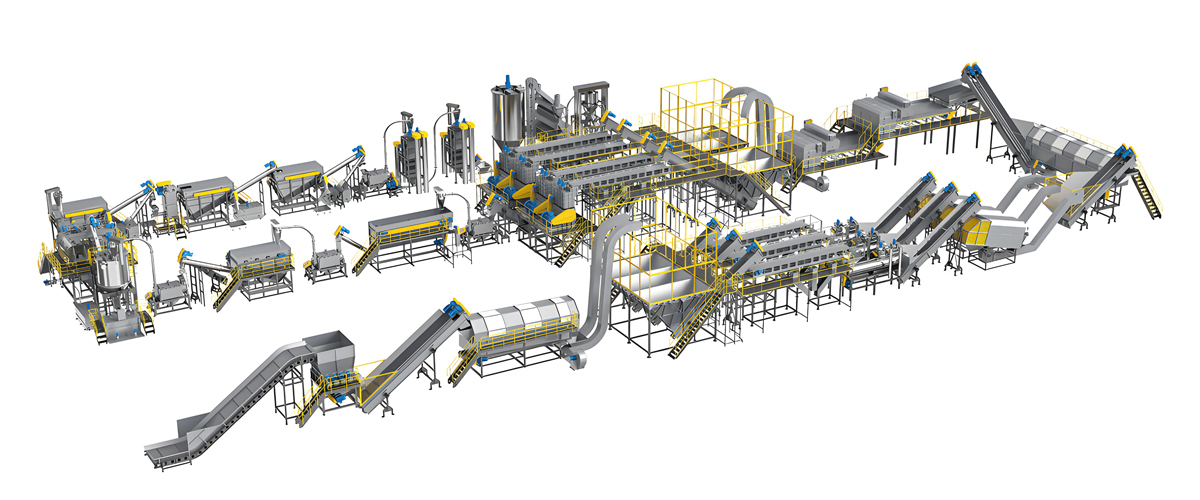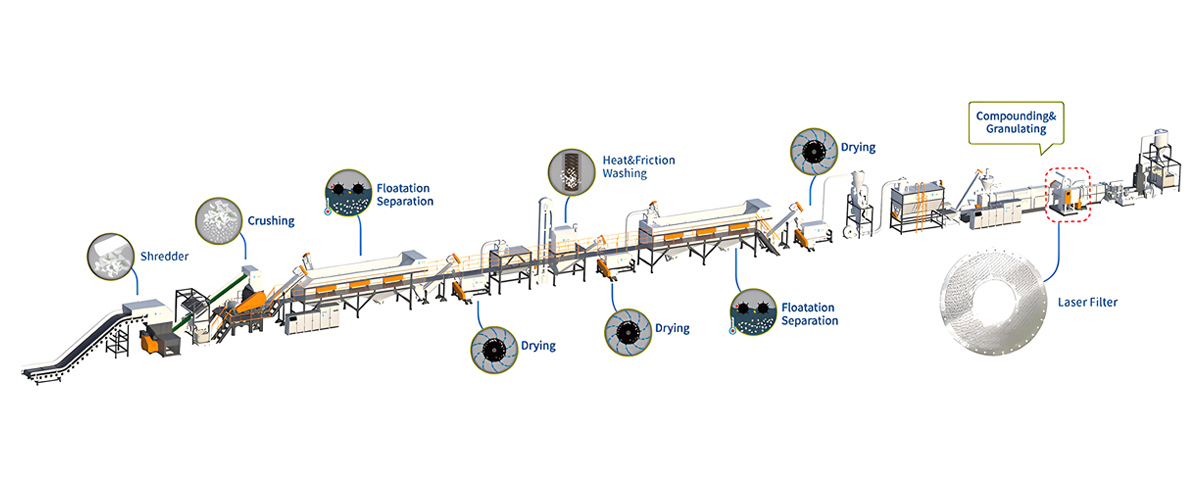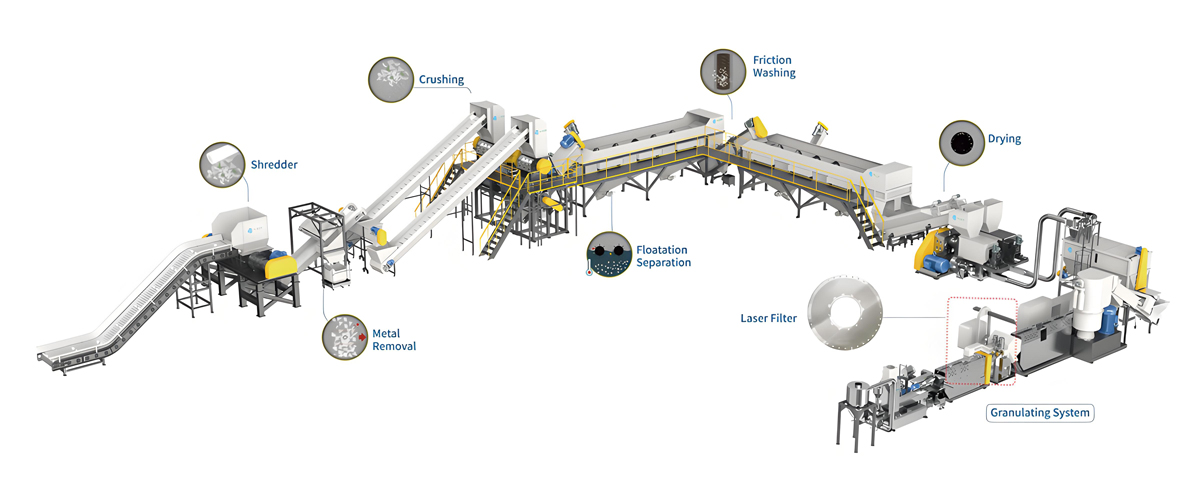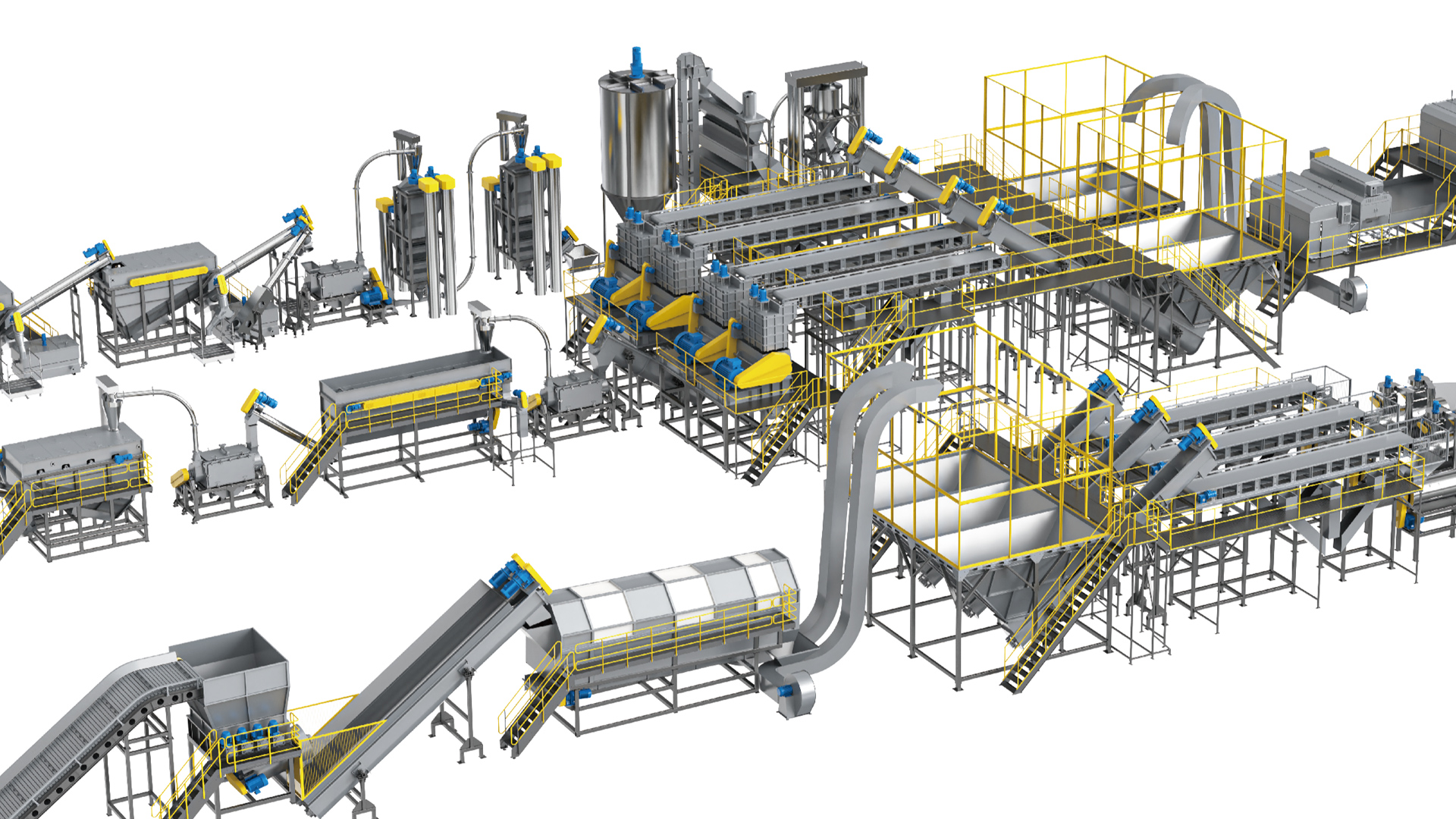

Selecting plastic recycling equipment for long-term use requires careful evaluation of factors that extend far beyond initial purchase price. Equipment that appears economical at purchase may generate high costs over time through reliability problems, excessive maintenance requirements, and eventual replacement needs. Understanding the full lifecycle considerations that affect equipment value enables informed decisions that maximize return on investment over equipment lifetimes that may span 15 to 20 years or longer.
Evaluating Equipment Quality and Construction
Equipment quality fundamentally determines reliability, maintenance requirements, and ultimate service life. Quality evaluation requires understanding what distinguishes well-built equipment from inferior alternatives. Components that may seem like minor details often significantly affect long-term ownership experience. Thorough evaluation before purchase prevents costly mistakes that become apparent only after years of operation.
Structural Design and Material Selection
Structural design determines equipment rigidity, alignment retention, and resistance to the stresses produced during plastic recycling operations. Welded steel frames provide excellent rigidity when properly designed, while bolted frames may loosen over time if not properly maintained. Frame thickness and reinforcement in high-stress areas indicate design quality that affects long-term durability.
Material selection for components subject to wear significantly affects equipment life. Hardox and similar wear-resistant steels provide extended service life in shredder housings and other high-wear areas compared to standard structural steels. Corrosion-resistant materials or coatings protect equipment in humid environments or when processing corrosive materials. Material specifications should be reviewed to confirm that appropriate materials are used throughout equipment construction.
Precision machining of bearing seats, shaft interfaces, and mating surfaces ensures proper fit and alignment that contributes to reliable operation. Equipment with adequate machining standards maintains alignment during assembly and reassembly after maintenance, while poorly machined equipment may develop alignment problems that cause premature failures. Visual inspection of machined surfaces and measurement of critical dimensions helps evaluate manufacturing quality.
Component Quality Assessment
Component quality varies significantly between equipment manufacturers and even between equipment models from the same manufacturer. Motors, gearboxes, pumps, and other purchased components should be evaluated for brand reputation, warranty coverage, and availability of replacement parts. Common brand names generally indicate more reliable components, though premium brands may command higher prices without proportionate quality improvement.
Motor selection affects both performance and efficiency throughout equipment life. Motors should be sized adequately for expected workloads with appropriate service factors. Premium efficiency motor designs reduce operating costs over time and may qualify for utility rebates. Motor winding quality and bearing specifications affect motor life and should be appropriate for the operating environment.
gearbox quality significantly affects plastic recycling equipment reliability. Industrial gearboxes from reputable manufacturers typically provide reliable service for many years when properly maintained. Gearbox specifications including reduction ratios, torque capacity, and service factors should be appropriate for the application. Gearbox warranty coverage provides some indication of manufacturer confidence in component quality.
Electrical System Evaluation
Electrical system quality affects both safety and reliability throughout equipment life. Control panels should be designed and built to industrial standards with appropriate protection against dust, moisture, and electrical interference. Component brands, wiring quality, and panel assembly standards vary significantly between manufacturers and affect long-term reliability.
Programmable logic controllers and human-machine interfaces represent significant investments that affect equipment capability and upgrade potential. Modern controllers offer communication capabilities, data logging, and diagnostic functions that support efficient operation and maintenance. Equipment with outdated control systems may become unsupportable as components become obsolete, requiring expensive upgrades before normal end of equipment life.
Wiring quality and installation practices affect both initial reliability and long-term maintainability. Proper wire sizing, termination practices, and cable management simplify troubleshooting and reduce electrical problems. Wire identification and documentation practices affect maintenance efficiency throughout equipment life. Electrical system documentation should be complete and current to support maintenance activities.
Manufacturer and Brand Evaluation
Equipment manufacturer selection significantly affects the long-term ownership experience. Manufacturers differ in quality focus, support capabilities, spare parts availability, and business stability. Selecting manufacturers that will remain reliable partners throughout equipment life requires evaluation beyond product specifications and pricing.
Manufacturing Capabilities and Standards
Manufacturing capabilities affect product quality and the manufacturer’s ability to support customers over equipment life. Facilities with modern manufacturing equipment can produce more precise components with consistent quality. Quality management systems including ISO certifications indicate systematic approaches to quality that typically translate to better products.
Engineering capabilities enable manufacturers to improve products and support customers with application questions or problems. Manufacturers with strong engineering teams can provide application support, custom configurations, and ongoing product improvements. Engineering capabilities also support equipment upgrades and retrofits that extend useful equipment life.
Testing capabilities enable manufacturers to verify product performance before shipment and support customer application development. Manufacturers with comprehensive testing facilities can demonstrate product capabilities and identify potential problems before equipment reaches customers. Testing data and performance documentation support customer evaluation and confidence.
Support Infrastructure Assessment
Spare parts availability throughout equipment life affects maintenance costs and equipment availability. Manufacturers should maintain inventories of critical spare parts and provide reasonable access to parts for equipment that may be 10, 15, or 20 years old. Parts obsolescence planning and long-term parts support commitments provide assurance that equipment can be maintained throughout intended service life.
Technical support capabilities help customers resolve problems and optimize equipment performance. Support quality varies significantly between manufacturers, with some providing excellent application engineering and troubleshooting assistance while others provide minimal support. Evaluation of support responsiveness and capability through reference customer contacts provides insight into actual support quality.
Service network coverage affects the availability of field service for installation, maintenance, and repair activities. Manufacturers with established service networks can provide faster response than those relying on third-party service providers. Geographic coverage should match customer locations to ensure reasonable service access.
Business Stability and Reputation
Business stability affects the likelihood that manufacturers will continue to support equipment over its full service life. Financial stability ensures that manufacturers can maintain support organizations and parts inventories throughout extended time periods. Industry tenure and track record provide indication of business sustainability.
Customer references provide valuable insight into actual ownership experiences that specifications alone cannot convey. Reference customers should be contacted to discuss their experiences with equipment quality, support responsiveness, and parts availability. Positive references from customers with similar applications provide confidence that equipment will perform as expected.
Industry reputation reflects accumulated customer experiences over time. Manufacturers with strong reputations have generally earned them through consistent delivery of quality products and support. While even the best manufacturers occasionally disappoint, patterns of problems reflected in industry reputation should be considered in evaluation decisions.
Total Cost of Ownership Analysis
Total cost of ownership extends far beyond initial purchase price to include operating costs, maintenance costs, and eventual disposal or replacement costs. Comprehensive analysis enables fair comparison between equipment options that may have different initial prices but significantly different lifecycle costs. Understanding true costs prevents decisions based on lowest initial price that result in higher total costs over time.
Operating Cost Considerations
Energy consumption represents the largest ongoing operating cost for most plastic recycling equipment. Energy-efficient equipment may cost more initially but generates savings throughout equipment life that often justify the premium. Motor efficiency, drive system design, and overall system optimization affect energy consumption significantly.
Consumable costs including blades, screens, filters, and wear components vary significantly between equipment designs and quality levels. Equipment requiring more frequent consumable replacement generates higher ongoing costs. Analysis of consumable costs over projected equipment life enables accurate comparison of total costs for different equipment options.
Labor costs including operator time, maintenance time, and supervision vary based on equipment automation level and usability. Highly automated equipment may have higher initial costs but generates labor savings that reduce overall lifecycle costs. Analysis should account for labor availability and cost in the specific operating environment.
Maintenance Cost Projections
Maintenance requirements vary significantly between equipment designs and quality levels. Well-built equipment from reputable manufacturers typically requires less maintenance and experiences fewer unplanned failures. Equipment with excellent initial quality may cost more to purchase but generates maintenance savings throughout life that often offset the initial premium.
Predictable maintenance costs including scheduled parts replacement and routine service activities can be accurately projected based on manufacturer recommendations and operating experience. Maintenance projections should be based on realistic operating conditions rather than ideal conditions that may not reflect actual use. Consultation with reference customers provides insight into actual maintenance requirements.
Unplanned maintenance resulting from failures generates costs beyond the direct repair costs including production losses, overtime, and customer dissatisfaction. Equipment reliability significantly affects unplanned maintenance frequency and associated costs. Reliability data from reference customers provides insight into expected unplanned maintenance rates.
Lifecycle Cost Calculation Methods
Lifecycle cost calculations should include all cost categories over the projected equipment life. Initial costs including purchase price, delivery, and installation represent only a portion of total lifecycle costs for most equipment. Operating costs, maintenance costs, and residual values should be included for comprehensive comparison.
Discounted cash flow analysis enables fair comparison of costs and benefits occurring at different times. Future costs should be discounted to present value to enable direct comparison with initial investments. Discount rates should reflect actual cost of capital to ensure economically appropriate comparisons.
Sensitivity analysis should explore how lifecycle cost comparisons change under different assumptions. Variations in energy costs, maintenance requirements, equipment life, and other factors may affect which equipment option provides lowest lifecycle cost. Robust conclusions should hold across reasonable ranges of assumption values.
Application Fit and Capacity Planning
Equipment must match application requirements to provide satisfactory long-term performance. Equipment undersized for expected workloads will struggle to meet production requirements and experience accelerated wear. Oversized equipment represents unnecessary capital investment and often operates less efficiently than appropriately sized equipment. Careful application analysis ensures that selected equipment will meet requirements throughout the planning horizon.
Throughput Requirements Analysis
Throughput requirements should be based on realistic projections rather than optimistic estimates that may not materialize. Analysis should consider both average throughput requirements and peak demand periods that may exceed average levels. Throughput margin above average requirements provides flexibility for growth and helps ensure that equipment does not operate continuously at maximum capacity.
Capacity planning should account for equipment availability factors that reduce effective throughput below theoretical maximums. Maintenance downtime, material changeover time, and other operational factors affect achievable throughput. Equipment selected with appropriate capacity margin will meet requirements despite these factors rather than requiring continuous maximum-rate operation.
Growth projections should be considered in capacity planning to ensure that equipment will meet requirements throughout its expected service life. Selecting equipment based solely on current requirements may require early replacement as demand grows. Equipment that can accommodate reasonable growth without immediate replacement provides better long-term value.
Material Compatibility Assessment
Material types to be processed significantly affect equipment requirements and should be clearly understood before equipment selection. Different plastic types have different processing characteristics that may require different equipment configurations. Contamination levels and material cleanliness affect cleaning requirements and processing efficiency.
Material size and shape ranges affect shredder and granulator requirements. Large, bulky items require equipment with appropriate feed openings and cutting chamber dimensions. Dense materials require more powerful drives than lighter materials with similar volumes. Accurate material characterization enables selection of equipment appropriately sized for the materials to be processed.
Future material changes should be considered in equipment selection. Materials currently processed may change over equipment life due to market conditions, product changes, or customer requirements. Equipment with flexibility to handle different materials provides better long-term value than equipment optimized for a single material type.
Quality Requirements Evaluation
Output quality requirements affect both equipment selection and operating costs. High-quality output may require more sophisticated equipment, tighter process control, and additional processing stages. Quality requirements should be clearly specified before equipment evaluation to ensure that selected equipment can meet requirements consistently.
Quality consistency requirements affect equipment selection and operating practices. Applications requiring highly consistent output require equipment with excellent process control capabilities and may require more operator attention than applications with more flexible quality requirements. Quality variability costs including rework, customer penalties, and reputation damage should be considered in quality requirement specification.
Future quality requirements should be anticipated to the extent possible. Quality standards may increase over equipment life due to customer requirements or regulatory changes. Selecting equipment that can meet anticipated future requirements avoids costly equipment replacement when requirements change.
Installation and Infrastructure Considerations
Proper installation significantly affects equipment performance and longevity. Infrastructure requirements must be met to ensure that equipment operates as designed. Installation planning should begin early in equipment selection to identify requirements and ensure that facilities can accommodate selected equipment.
Site Preparation Requirements
Foundation requirements vary based on equipment size, weight, and vibration characteristics. Equipment foundations must provide adequate support and may require special construction to control vibration transmission. Foundation design should be coordinated between equipment manufacturers and structural engineers to ensure adequate specifications.
Clearance requirements around equipment affect maintenance access, safety, and operating efficiency. Adequate clearance for maintenance activities should be provided rather than minimum clearances that complicate maintenance and increase service time. Operating clearance should accommodate material handling and process activities without interference.
Environmental conditions at installation sites affect equipment requirements and performance. Indoor installations provide controlled environments that maximize equipment life, while outdoor installations may require additional protection against weather and environmental conditions. Temperature ranges, humidity levels, and dust exposure affect equipment selection and maintenance requirements.
Utility Connection Requirements
Electrical requirements including voltage, phase, amperage, and power quality must match available utilities. Equipment requiring electrical upgrades adds significant cost to installation that should be included in total investment comparisons. Electrical system capacity should accommodate equipment loads with appropriate margin for future expansion.
Water supply and drainage requirements for cleaning and cooling systems require appropriate plumbing infrastructure. Water quality affects equipment maintenance requirements and may require treatment for equipment requiring specific water conditions. Discharge requirements for process water must meet local regulations and may require treatment systems.
Compressed air, natural gas, or other utility requirements depend on specific equipment configurations. All required utilities must be available and properly sized to support equipment operation. Utility connection planning should coordinate between equipment manufacturers, installation contractors, and utility providers.
Integration with Existing Systems
New equipment integration with existing material handling, storage, and support systems requires careful coordination. Conveyor connections, electrical integration, and control system interfaces must be properly designed and executed. Integration complexity affects installation costs and timeline.
Control system integration with existing data systems, process control networks, or enterprise systems requires planning and may require additional hardware or software. Integration capabilities should be evaluated during equipment selection to ensure that integration requirements can be met within budget and schedule constraints.
Training requirements for operators and maintenance personnel should be planned and budgeted. Equipment from different manufacturers may require different training approaches or have different learning curves. Training costs and time requirements should be included in total investment comparisons.
Warranty and Service Agreement Evaluation
Warranty coverage provides important protection during the initial operating period when problems are most likely to occur. Service agreements extend support beyond warranty coverage to provide ongoing protection and support. Understanding warranty terms and service options enables evaluation of protection levels and associated costs.
Warranty Coverage Analysis
Standard warranty terms vary between manufacturers and should be carefully reviewed before equipment selection. Coverage periods, covered components, and coverage limitations significantly affect the protection provided. Warranty terms should be compared between equipment options to ensure fair comparison of protection levels.
Extended warranty options provide additional protection beyond standard coverage for an additional cost. Cost-benefit analysis should compare extended warranty costs against historical failure rates and repair costs for equipment under consideration. Self-insuring by maintaining reserves for potential repairs may be appropriate for equipment with excellent reliability records.
Warranty claim processes affect the actual protection provided by warranty coverage. Streamlined claim processes that minimize equipment downtime when problems occur provide better protection than complex claim processes with extended resolution times. Evaluation of warranty claim experiences through reference customer discussions provides insight into actual warranty support quality.
Service Agreement Options
Preventive maintenance service agreements provide scheduled maintenance visits by manufacturer service personnel. These agreements ensure that maintenance is performed according to manufacturer recommendations and provide documentation of maintenance activities. Costs for preventive maintenance agreements should be compared against self-performing maintenance costs.
Response service agreements provide expedited support when problems occur. Response time guarantees, on-site support availability, and remote diagnostic capabilities vary between agreements. Response service costs should be evaluated against potential costs of extended downtime if response is not available when needed.
Remote monitoring and diagnostic capabilities increasingly available from manufacturers provide early warning of developing problems and enable faster troubleshooting when problems occur. These capabilities may be included in service agreements or available as separate options. Value of these capabilities should be evaluated based on potential benefits for specific operating contexts.
Long-Term Service Life Considerations
Equipment service life significantly affects total cost of ownership and should be explicitly evaluated during equipment selection. Well-built equipment from reputable manufacturers typically provides longer service life than budget alternatives, though even quality equipment requires appropriate maintenance to achieve full service potential. Understanding service life factors enables selection of equipment that will provide long-term value.
Factors Affecting Equipment Longevity
Operating conditions significantly affect equipment service life. Heavy-duty applications with continuous operation under demanding conditions wear equipment faster than lighter applications with intermittent operation. Equipment selected for demanding applications should be appropriately specified for those conditions rather than marginal equipment that will experience accelerated wear.
Maintenance quality throughout equipment life affects ultimate service life. Equipment receiving proper maintenance according to manufacturer recommendations typically achieves design service life or longer. Equipment with inadequate maintenance experiences accelerated wear and often fails prematurely. Long-term maintenance commitment should be ensured before equipment selection.
Environmental conditions affect equipment longevity, particularly for equipment installed in demanding environments. Corrosive atmospheres, extreme temperatures, and dust exposure all accelerate component degradation. Equipment appropriate for the specific environment should be selected rather than standard equipment that may experience premature failure.
Upgrade and Rehabilitation Potential
Equipment upgrade potential enables extending useful life beyond original capabilities through modern technology addition or major rehabilitation. Control system upgrades, drive system modernizations, and capacity increases can refresh aging equipment to extend useful service. Equipment designed with upgrade potential provides better long-term value than equipment requiring complete replacement when upgrades are needed.
Major rehabilitation including component replacement, structural repair, and performance restoration can extend equipment life significantly at costs far below replacement. Equipment with good structural design and quality construction typically supports rehabilitation approaches, while poorly built equipment may not justify rehabilitation investment. Rehabilitation potential should be evaluated during equipment selection to understand long-term options.
Technology evolution affects equipment relevance over time. Equipment with modern control systems and communication capabilities maintains relevance as technology standards evolve, while equipment with outdated systems may become unsupportable before physical life ends. Selecting equipment with modern technology foundations extends economically useful life.
Disposal and Residual Value
Equipment disposal costs at end of service life should be considered in lifecycle cost analysis. Equipment containing hazardous materials such as refrigerants, oils, or batteries may require special disposal procedures with associated costs. Equipment with recyclable content including steel and copper has residual value that offsets disposal costs.
Residual value for equipment at end of service life affects total lifecycle cost calculations. Quality equipment from reputable manufacturers typically retains more residual value than budget alternatives. Well-maintained equipment commands premium prices in resale markets. Documentation of maintenance history supports higher residual values.
Trade-in options from manufacturers or dealers may be available when replacing equipment with new purchases. Trade-in values typically favor equipment from established manufacturers with active dealer networks. Trade-in option availability should be evaluated during equipment selection as part of lifecycle cost analysis.
Risk Assessment and Mitigation
Equipment selection involves numerous risks that should be explicitly identified and managed. Risk assessment enables allocation of resources to address highest-priority concerns and supports informed decision-making. Mitigation strategies for identified risks should be developed before equipment selection commitments.
Performance Risk Evaluation
Performance risk involves the possibility that equipment will not achieve promised specifications. Equipment from established manufacturers with demonstrated performance track records presents lower performance risk than new products without operational history. Performance guarantees, performance bonds, and acceptance testing protocols mitigate performance risk.
Application risk involves uncertainty about whether equipment will perform adequately for specific applications. Pilot testing, application engineering support, and reference customer consultation reduce application risk. Equipment selected for applications well within demonstrated capabilities presents less risk than equipment operated near performance limits.
Technology risk involves uncertainty about whether new technologies will perform as intended. Proven technologies with established track records present less risk than innovative technologies that may not have been fully proven in operational environments. Balance between innovation benefits and risk avoidance should be considered in technology selection.
Business Risk Considerations
Supplier risk involves uncertainty about manufacturer ability to continue supporting equipment throughout its service life. Financial stability, business continuity, and succession planning affect supplier risk. Diversifying purchases among multiple suppliers reduces supplier risk but may sacrifice volume discounts.
Market risk involves changes in the markets for recycled materials that affect operation viability. Equipment selected for multiple material types and applications provides more flexibility to respond to market changes than equipment limited to specific materials. Market diversification reduces market risk at some cost to operational efficiency.
Regulatory risk involves changes in environmental, safety, or quality regulations that may affect equipment requirements or operation practices. Equipment meeting current requirements may require upgrades or replacement if regulations change. Equipment exceeding current requirements provides margin for regulatory changes but may involve higher initial costs.
Financial Risk Management
Capital commitment risk involves the difficulty of recovering investment if requirements change or markets decline. Equipment with good resale value, flexible capabilities, and appropriate sizing reduces capital commitment risk. Phased investments that allow incremental capacity addition reduce risk at some cost to unit economics.
Financing risk involves exposure to interest rate changes or credit availability issues when equipment is financed. Fixed-rate financing locks in costs but may be more expensive than variable rates if interest rates decline. Financing strategy should consider risk tolerance and market conditions.
Currency risk affects equipment purchased from international suppliers when prices are quoted in foreign currencies. Currency hedging and supplier pricing currency selection affect currency risk exposure. Long-term service and parts agreements in foreign currencies present ongoing currency risk that should be considered in supplier selection.
Conclusion
Choosing plastic recycling equipment for long-term use requires evaluation of factors that extend far beyond initial specifications and pricing. Equipment quality, manufacturer support capabilities, lifecycle costs, and application fit all significantly affect the long-term value provided by equipment investments. Comprehensive evaluation prevents decisions based on incomplete information that often result in unsatisfactory long-term outcomes.
Lifecycle cost analysis should guide equipment selection decisions, accounting for operating costs, maintenance costs, and residual values over equipment service life. Quality equipment from established manufacturers typically provides better long-term value than budget alternatives, though initial cost premiums must be weighed against lifecycle savings. Risk assessment and mitigation ensure that uncertainties are explicitly addressed rather than ignored during selection.
Investment in appropriate plastic recycling equipment represents commitment extending 15 to 20 years or longer. Thorough evaluation before commitment ensures that this long-term investment provides the value expected throughout equipment service life. Selecting equipment that will remain productive, maintainable, and relevant throughout its service life enables recycling operations to build on equipment investments rather than repeatedly replacing inadequate equipment.