
The EU Packaging and Packaging Waste Regulation, known as PPWR, is changing the economics of plastic recycling around the world. It does not only affect companies inside Europe. Because almost every global brand wants to keep selling into the European market, the regulation is raising the standard for recycled plastic everywhere, including in Asia, the Middle East, Africa, and Latin America. For a plastic recycler, this is both a challenge and an opportunity. The challenge is that buyers now ask for cleaner, more consistent, food-safe recycled flakes and pellets than ever before. The opportunity is that the same regulation creates strong, growing demand for exactly that material, and the price premium for high-purity recycled content is real and rising. This article explains what PPWR really requires, why recycled content for packaging needs a serious washing line, which flake grades are in demand, and how a food-grade plastic washing line from Polyretec turns post-consumer bottles and film into material a brand can actually use.
What the EU PPWR Actually Demands of Plastic Packaging
PPWR is a regulation, so its rules apply directly in every European Union member state at the same time. It replaces the old Packaging and Packaging Waste Directive and makes sustainability targets mandatory rather than voluntary. The core idea is simple and strict: packaging must be designed to be recyclable, and plastic packaging must contain a defined minimum share of recycled material.
Two deadlines set the pace. By 2030, all packaging placed on the EU market must be designed for recycling. By 2035, it must be recyclable at scale, meaning it can actually be collected, sorted, and reprocessed in real recycling infrastructure. In parallel, mandatory recycled content targets apply to plastic packaging, with the first wave around 2030 and a steeper second wave around 2040. The exact percentages depend on the packaging category, and the commission is expected to confirm the full schedule through delegated rules.
For the recycling industry the important consequence is market demand. Every brand that sells bottled water, soft drinks, cosmetics, personal care, detergents, and household products into Europe must buy recycled plastic to reach its recycled content number. That means recyclers who can reliably deliver clean PET and PE flakes and pellets have a growing, well-paid market for their output. The material is no longer a commodity with a narrow margin; high-purity recycled content carries a premium because it is hard to produce.
There is another part of the regulation that matters for recyclers. Producers will need documented proof that recycled content is genuine and traceable. This pushes the entire supply chain toward formal, certified recycling operations with repeatable output. A changeable, low-quality flake that cannot be traced to a controlled process has little value in this market, while a consistent, certified flake from a proper washing line becomes the preferred raw material for packaging producers.
Why Recycled Content Lives or Dies by the Washing Line
The single most important fact about recycled plastic for packaging is this: the value of recycled content depends almost entirely on how clean the flake is. A packaging producer does not buy recycled plastic to save money and accept whatever comes out of a simple grinder. They buy it to blend into a bottle or film that must meet food-contact rules, clarity, odor, and mechanical strength requirements. If the flake carries oil, labels, glue, paper, dust, or a residual odor, the producer cannot use it, no matter how cheap it is.
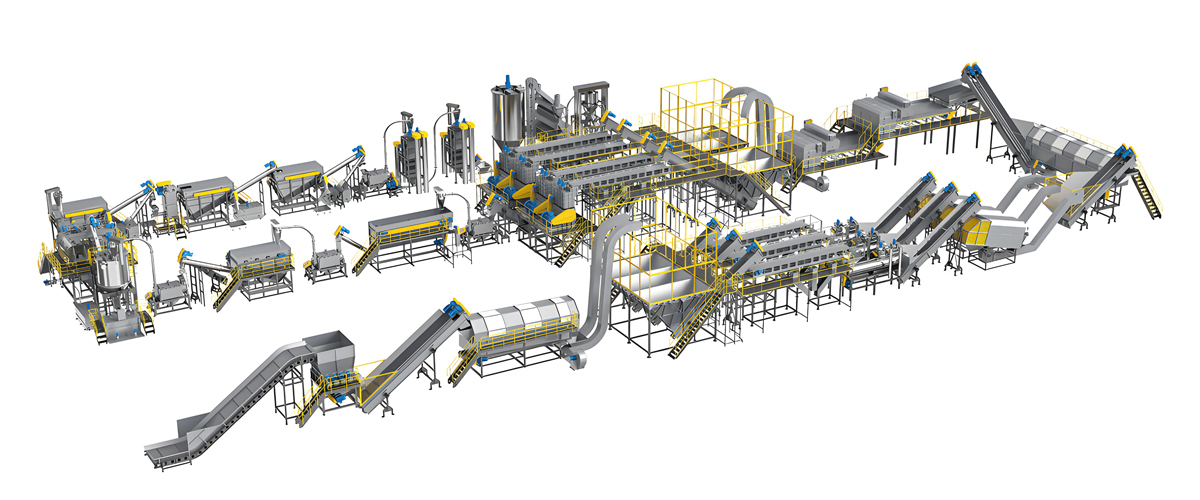
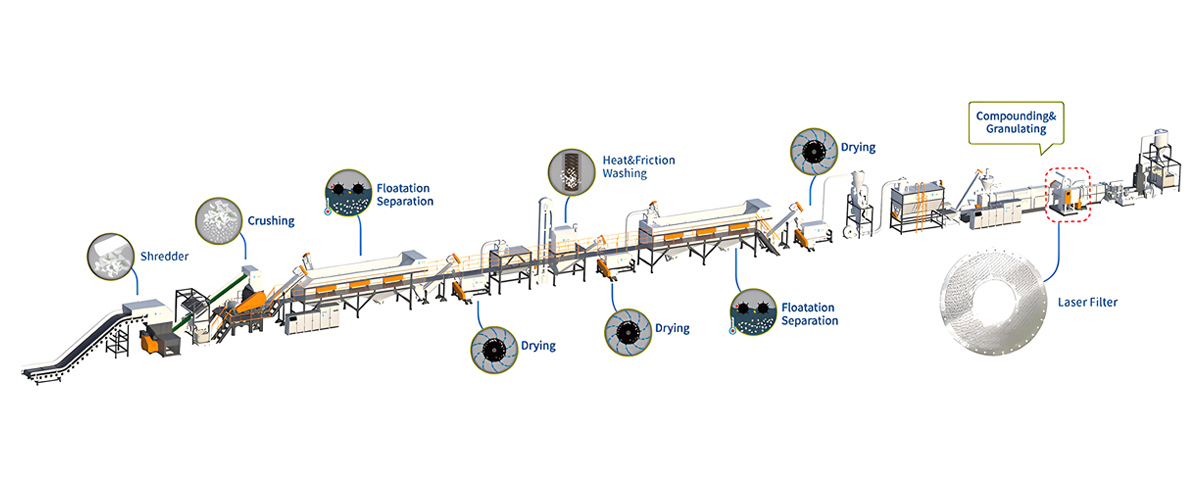
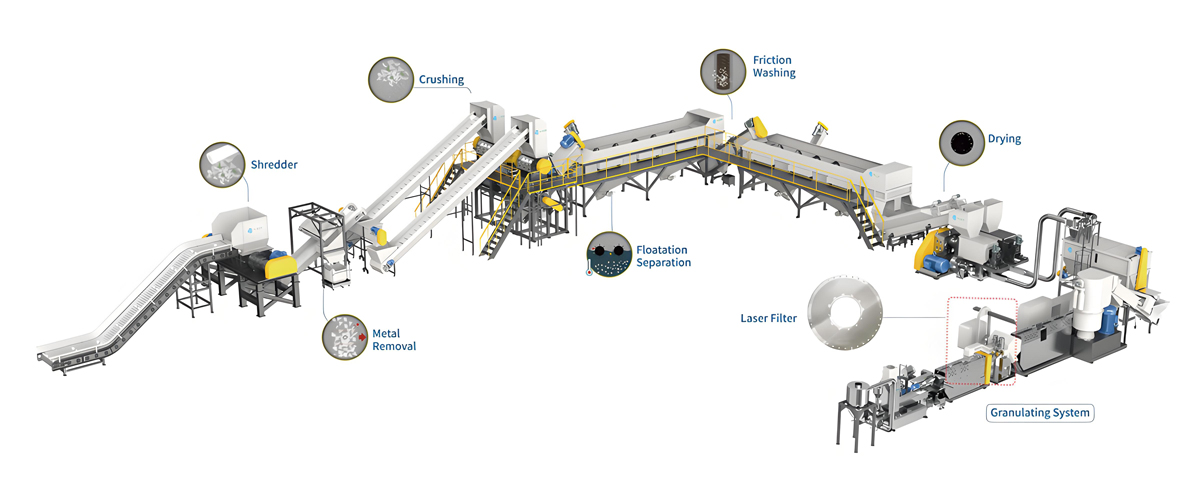
Cleaning happens on the washing line. A modern washing line removes contaminants in a defined sequence: crushing and grinding to expose the surface, friction washing to strip labels and glue, hot washing with caustic or detergent to remove oil and ink, float-sink separation to remove heavier materials such as PET bottle caps and other sinkable contaminants, and finally rinse, dewatering, and drying to a controlled moisture level. Every stage has a purpose, and skipping or weakening any stage lowers the quality of the finished flake.
This is why the washing line, not the amount of plastic you collect, determines whether you are producing premium recycled content or low-value material. Two recyclers can process the same bottles, and one sells high-grade flake at a premium while the other struggles to sell at commodity price. The difference is the quality and configuration of the washing line and how consistently it is operated.
The Flake Grades in Demand in 2026
Demand is strongest for the grades that packaging producers find hardest to source consistently. Understanding this helps a recycler choose the right line and the right target market.
1. Food-Grade rPET Flakes
Recycled PET is the workhorse of recycled content because beverage and food brands need it most. Food-grade rPET flakes must be extremely clean and meet food-contact standards, which requires a full hot washing process with caustic washing, high temperature, and thorough rinsing. Producers blend food-grade rPET into new bottles, and this segment has the highest and steadiest demand. A food-grade PET bottle washing line that delivers consistently clean flakes is the direct path into this market.
2. Clear and Colored PE Flakes
Recycled PE film and bottle flake is used for new films, bags, and blow-molded packaging. PE packaging also counts toward recycled content targets, so demand is growing. Clean PE flake needs good friction washing, float-sink separation to remove heavier contaminants, and reliable drying, because moisture is the enemy of good film extrusion and causes defects in blown film.
3. PP Flake and Pellets
Recycled PP is demanded by containers, crates, and non-food and food-grade molding applications. PP contamination behaves differently from PET, so the washing line must handle float-sink separation carefully to remove both heavier and lighter contaminants. Solid, consistent PP pellets that meet a documented purity level are increasingly valuable.
4. High-Purity Film Flake for Recycled Film
Flexible packaging is itself under pressure from new legislation and voluntary commitments, so recycled PE film is a fast-growing grade. Producing recycled film that can compete with virgin film requires very clean, dry, gel-free flake. This pushes film recyclers toward soft plastic crushing and washing lines with hot washing and efficient drying, followed by pelletizing.
What a Compliance-Ready Flake Must Achieve
Buyers of recycled content now specify measurable properties rather than vague promises. A flake that earns a premium typically meets these practical standards.
Low contamination: minimal label, glue, paper, oil, and other organic residues after washing.
Controlled moisture: dewatered and dried to the moisture range the next process demands, usually well below three percent and lower for pelletizing.
Consistent particle size: the crushing stage produces uniform flakes so downstream washing and drying work evenly.
Reduced odor: hot washing removes the source of odor, which matters for food and cosmetic contact applications.
Traceable process: the line runs a repeatable recipe so each batch has the same properties and can be documented.
When a washing line achieves these results, the recycler is not selling a waste product. They are selling a processed raw material that earns a stable premium and is in short supply.
The Food-Grade PET Bottle Washing Line: A Closer Look
For companies that want to enter or expand in the most valuable recycled content market, the starting point is a complete food-grade PET bottle washing line. Polyretec builds complete lines that take whole PET bottles and deliver clean, dry flakes ready for packaging producers.
The process begins with an automatic de-baler and label removal, followed by a bottle crusher that reduces the material to flake. The flake then passes through a friction washer that strips labels and glue with aggressive, high-energy mixing. A hot washer follows, where caustic and heat loosen oil, ink, and residual adhesive. A float-sink tank then separates PET from the sinkable contaminants and lighter materials such as bits of PE caps that float. After rinsing, mechanical dewatering and hot air drying bring the flake to a controlled moisture level.
The rewards are direct. Food-grade PET flake commands a higher price than mixed or low-grade flake, and it is the material beverage and food brands must buy to meet their recycled content targets. A complete, well-operated food-grade PET bottle washing line turns a steady supply of post-consumer bottles into a premium product that sells itself.
Soft Plastic Crushing and Washing for the Film and Flexible Packaging Market
The flexible packaging market is where recycled content demand is growing fastest in 2026. Film and bags are under pressure from both regulation and voluntary commitments, and brands need recycled PE film. This is the domain of the soft plastic crushing and washing line, which is built for materials that a rigid-line cannot handle easily.
Soft plastic arrives as compressed bales of film, bags, and flexible packaging. It must be shredded, washed to remove labels, glue, and food residues, separated to remove heavier contaminants, and dewatered. Because film is light and flexible, the line uses specially designed machines that do not wrap, jam, or lose material. Hot washing is especially valuable for film because it removes the oily residues that cause odor and defects in recycled film extrusion.
Once the film flake is clean and dry, it moves to a pelletizing extruder that melts the flake, filters out remaining contaminants with an automatic screen changer, and forms uniform pellets. These recycled PE or PP pellets are what film producers buy. For a recycler, the combination of a soft plastic washing line and a pelletizing extruder is the direct route into the growing recycled film market.
How Austrian-Inspired Engineering Raises Flake Quality
Polyretec builds recycling machinery inspired by the exacting standards of Austrian plastic engineering, which is famous in the industry for robust construction, precise control, and reliable yield. This engineering approach shows up in specific features that directly improve flake quality.
Heavy-duty construction keeps the line running continuously, because experience shows that unreliable operation and repeating contamination write a lower-quality product. Precision process control on the washing and drying stages holds the flake at the right cleanliness and moisture every time. Redundant and reliable drives, automatic melt filtration, and recirculating wash water all contribute to consistent output that a packaging producer can trust.
Consistency is not a luxury; it is the entire business model for selling recycled content. Real-time process control and the durability of the machinery mean a Polyretec line produces the same high-grade flake day after day. That consistency is exactly what lets a recycler build the documented, traceable supply that PPWR-era buyers demand.
Building a Compliant, Profitable Recycling Line
Entering or upgrading in the recycled content market is a planning exercise as much as an equipment purchase. A practical path looks like this.
Step 1: Choose your feed. Decide which post-consumer stream you can secure reliably, because clean, steady feedstock is the foundation of flake quality.
Step 2: Match the line to the target grade. Food-grade PET needs a caustic hot washing line, while film needs a soft plastic crushing and washing line with strong separation and drying.
Step 3: Plan the washing line capacity. Size the line to your available feedstock so every stage runs at the efficiency where cleaning quality is highest.
Step 4: Add pelletizing where the market asks for pellets. Extruding clean flake into uniform pellets earns a premium and broadens your buyer base.
Step 5: Document the process. Keep a repeatable recipe and batch records so you can prove the purity and origin of your material to packaging buyers.
Why Recyclers Choose a Complete Polyretec Line
Polyretec provides turnkey recycling lines rather than a collection of disconnected machines. A complete line is engineered to work as one system, which removes the integration headaches, mismatched capacities, and quality gaps that arise when machines from different suppliers are bolted together.
For PET, the Food Grade PET Bottle Washing Line delivers the clean, dry flakes that beverage and food brands buy. For film and flexible packaging, the Soft Plastic Crushing and Washing Line handles light, dirty material and produces quality flake for recycled film. For turning that flake into a sellable product, the Soft Plastic Pelletizing Extruder and the PP/PE Recycling and Compounding Line produce uniform, high-purity pellets.
Polyretec supports every line with commissioning on site, operator training, and dependable spare parts and after-sales service as part of the Wanplas group. A recycler who invests in a complete Polyretec line gets a proven system, a defined product, and the support needed to keep producing the consistent recycled content that the PPWR era is creating demand for.
The Business Case for Food-Grade Output
The economics favor high-quality output. Commodity flake faces heavy price pressure and thin margins, while clean, traceable, food-grade or high-purity flake earns a premium because it is difficult to produce and in growing demand. The difference between the two price levels often justifies the investment in a better washing line within a short period.
Demand is also more secure for high-grade material. Packaging brands are locked into recycled content requirements, so they must buy recycled plastic regardless of market swings. A recycler producing the grade that these brands need has a captive and growing market, rather than relying on occasional commodity sales.
The operating logic is simple: every stage of the washing line, from friction and hot washing to float-sink separation and controlled drying, exists to increase flake value. Investing in the right complete line is the most direct way to move from selling processed waste to selling a premium recycled raw material.
Summary and Recommendation
The EU PPWR is not a distant regulation. It is actively creating a large, stable market for recycled plastic content, and it rewards recyclers who can deliver clean, consistent, food-contact-capable flakes and pellets. The packaging brands that must meet recycled content targets will buy this material every year.
The washing line is the heart of that business. A complete, well-engineered food-grade PET bottle washing line, soft plastic crushing and washing line, and pelletizing system turns post-consumer plastic into the premium raw material packaging producers need.
For recyclers ready to act, Polyretec provides the complete line, the technical process, and the after-sales support to build a profitable, PPWR-ready recycling operation. Talk to Polyretec about the post-consumer stream you can secure and discover the complete line configuration that will turn that plastic into high-value recycled content.
From Post-Consumer Waste to Compliance-Ready Material: The Full Supply Chain
To understand where a washing line fits, it helps to see the complete supply chain that delivers recycled content to a packaging brand. The chain starts with collection. Post-consumer bottles and film are gathered from curbside programs, deposit schemes, and commercial collection, then baled and delivered to the recycling facility. At the facility, the material passes through sorting to remove the obvious contaminants, and from there it enters the recycling line.
Inside the line, the material is crushed, washed, separated, dewatered, and dried, and the clean flake that leaves the washing stages is either sold as flake or pelletized. That flake or pellet is then purchased by a packaging producer, who blends it with virgin resin to reach the recycled content percentage, and forms it into bottles, films, and containers that carry the product to market. Every link in this chain adds value, and the washing line is the link where the highest share of final quality is decided.
For a recycler, this perspective clarifies where to invest. Collection and sorting give you feedstock, and pelletizing gives you a sellable form, but the washing line gives you the grade. Choosing to run a food-grade PET bottle washing line, or a soft plastic washing line with hot washing, is choosing to sit at the high-value end of the chain where the recycled-content market pays the premium. It is also the decision that defines the documentation you can offer, because a controlled washing process produces the traceable, repeatable quality that PPWR-era buyers require.
Crushing, Washing, Drying, and Pelletizing as One Flow
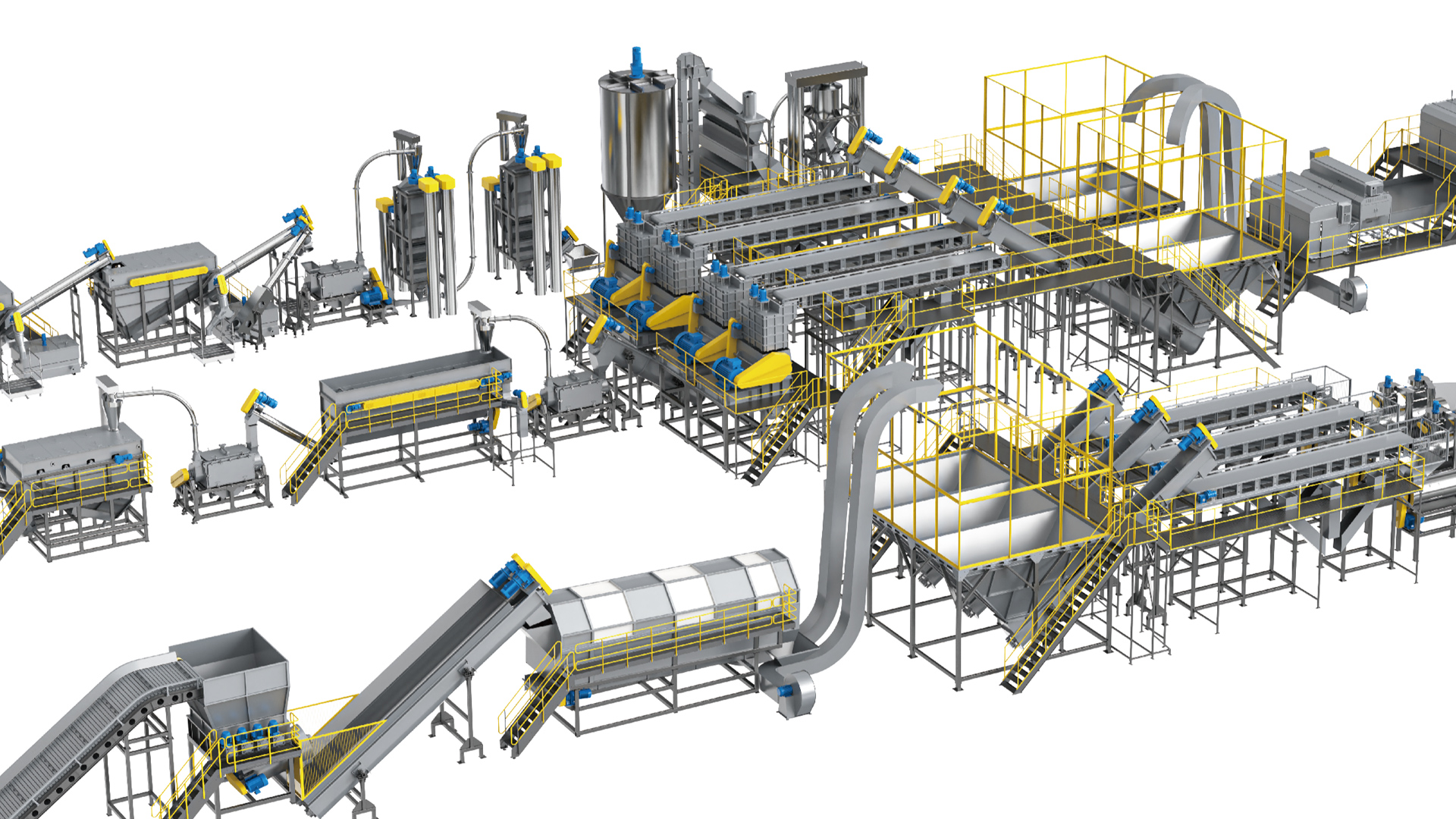
Recycling equipment only creates value when every stage works together, which is why Polyretec builds complete lines rather than separate machines. In a complete flow, the crusher reduces the input to a consistent flake size, the washing stages remove contamination, the separation stage pulls out heavy impurities, and the drying stages bring the flake to the moisture level the next step requires. If the target product is pellets, the pelletizing extruder completes the flow at the end.
The benefit of a matched system is stability. Each stage is sized so the material moves through at a constant rate, and the process parameters for washing temperature, caustic concentration, separation, and drying are controlled together. This stability is what lets an operator hold the same product quality across every shift, which is the foundation of a documented, traceable recycled-content supply. A complete line from Polyretec is engineered this way, from the food-grade PET bottle washing line to the soft plastic washing line and the pelletizing extruder.
A complete flow also simplifies maintenance and support. With one supplier responsible for the whole line, commissioning, training, spare parts, and troubleshooting are handled consistently, and the operator is not caught between different manufacturers when something needs attention. For a recycler building a serious recycled-content business, this single-point responsibility reduces risk and protects the uptime on which payback depends.
Frequently Asked Questions
Does PPWR apply to recycling companies outside Europe?
PPWR is European law, but it affects recycling companies everywhere because global brands need recycled content for European packaging. Clean, traceable, food-grade recycled material is in demand from buyers in all regions, and the premium for it is global.
What is the difference between regular and food-grade PET flake?
Food-grade PET flake is washed more thoroughly, usually with hot caustic washing and rinsing to a higher purity and lower contamination level, so it meets food-contact standards. It earns a higher price and is what beverage and food brands buy for recycled content.
Do I need a hot washing system?
For food-grade PET and for recycled film, hot washing is usually necessary to remove oil, ink, and odor that cold washing cannot. It is a key upgrade that directly raises flake quality and value.
Can one line handle both bottles and film?
Bottles and film have different behavior in washing, so dedicated lines are normally more effective. A rigid or PET line handles bottles, while a soft plastic crushing and washing line is built for film and flexible packaging.
How do I prove to buyers that my flake is clean?
Keep a repeatable process recipe, run consistent batches, and keep records of contamination, moisture, and output. A complete line with stable process control makes this documentation practical. The European market and large brands increasingly value this traceability.
The recycled content economy is now driven by regulation, and regulation rewards quality. If you are collecting post-consumer plastic and want it to command a premium, the answer is a complete, professionally engineered washing line that produces the clean, consistent, traceable material the market demands.