
Introduction to Plastic Pelletizing Lines
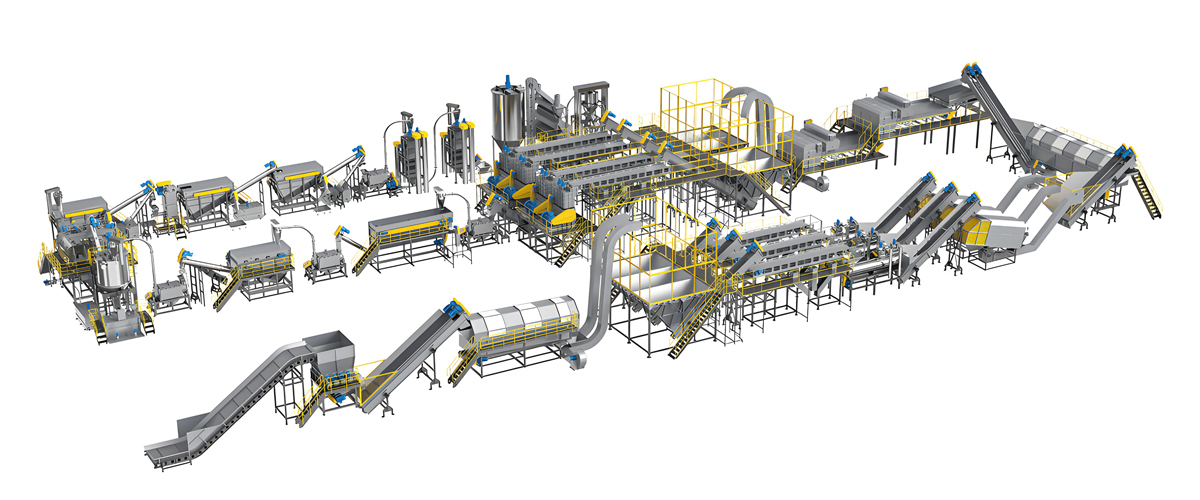
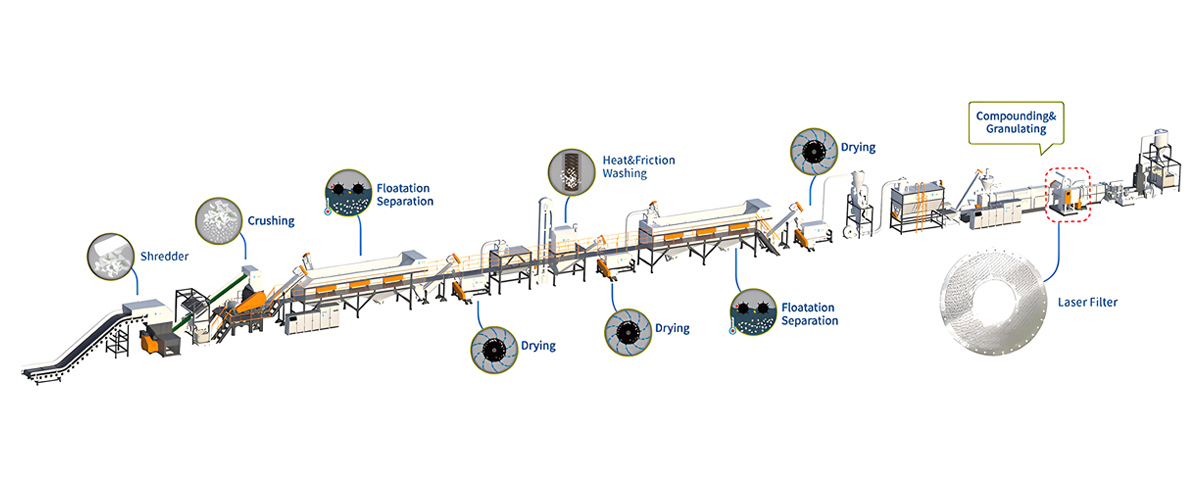
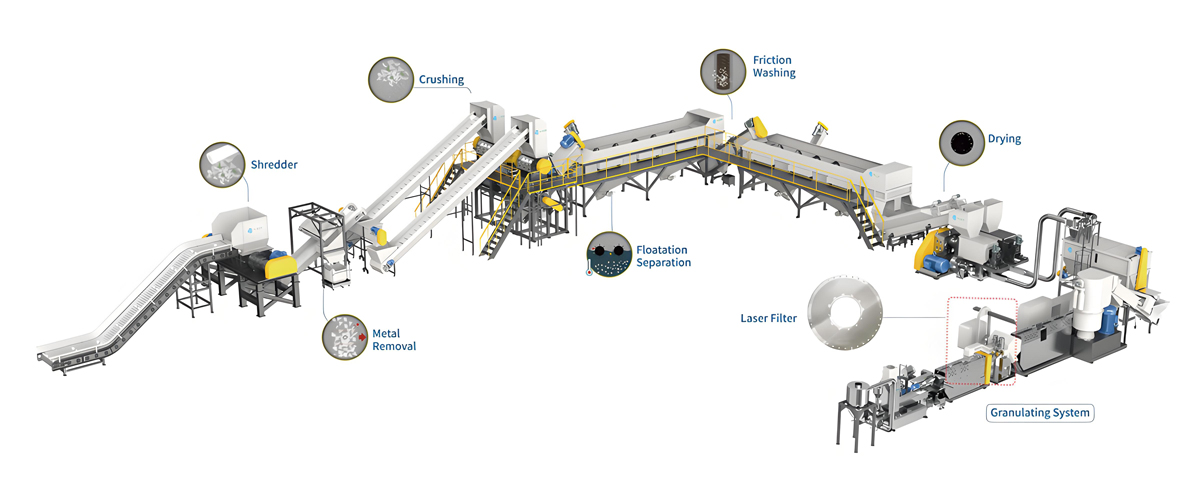
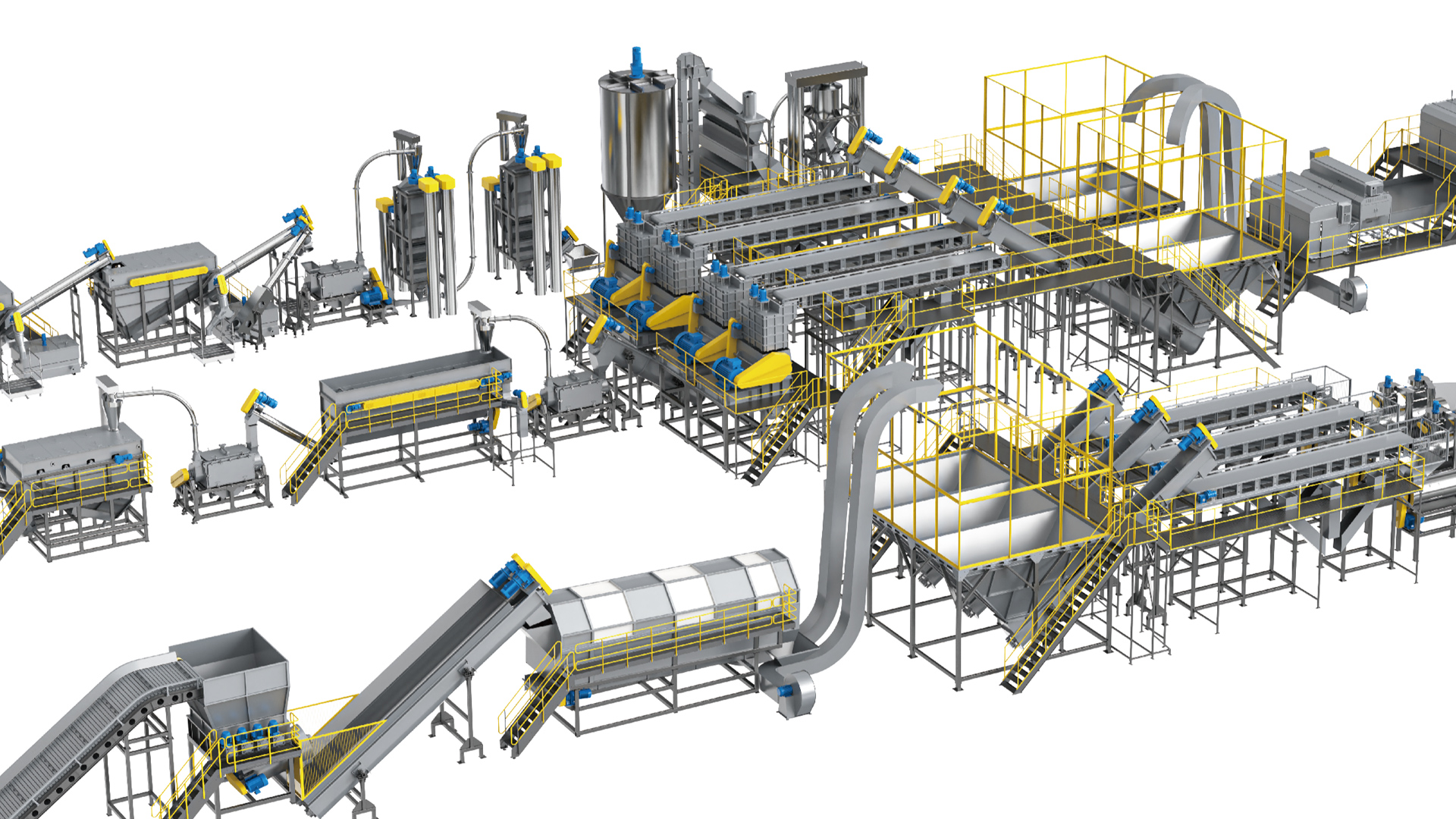
Plastic pelletizing lines are essential components of plastic recycling facilities, responsible for converting plastic waste into high-quality pellets that can be used to manufacture new plastic products. A pelletizing line typically consists of several stages, including sorting, shredding, washing, drying, extrusion, cooling, and cutting, each of which plays a critical role in producing uniform, clean, and consistent pellets.
Selecting the right pelletizing line is crucial for the success of a plastic recycling business. The right line will ensure that the plastic waste is processed efficiently, the resulting pellets meet the required quality standards, and the overall operation is cost-effective. With so many options available in the market, it can be challenging to choose the best pelletizing line for your specific needs. This article will guide you through the key factors to consider when selecting a pelletizing line for plastic recycling.
Determine Your Recycling Goals and Requirements
1. Plastic Waste Type and Volume
The first step in selecting a pelletizing line is to determine the type and volume of plastic waste you will be processing. Different types of plastic waste, such as PET bottles, HDPE containers, PP woven bags, LDPE films, or mixed plastics, require different processing methods and equipment. For example, processing thin films may require more gentle handling to avoid tearing, while processing rigid plastics may require stronger shredding and extrusion capabilities.
You also need to consider the volume of plastic waste you will be processing on a daily or hourly basis. This will determine the capacity of the pelletizing line you need. Small-scale operations may only require a compact pelletizing line with a capacity of a few hundred kilograms per hour, while large-scale facilities may need a high-capacity line that can process several tons of plastic waste per hour.
2. Pellet Quality Requirements
The quality of the pellets produced by the pelletizing line is another important factor to consider. Pellet quality can vary depending on factors such as purity, uniformity, size, shape, and mechanical properties. The quality requirements will depend on the intended use of the pellets. For example, pellets used in high-end applications such as food packaging or medical products may require strict quality control measures to ensure they are free of contaminants and meet specific standards.
To achieve the desired pellet quality, you need to consider the quality of the processing equipment and the processes used in the pelletizing line. For example, an efficient washing system will remove contaminants from the plastic waste, while a precise extrusion and cutting system will produce uniform pellets.
3. Production Efficiency and Cost
Production efficiency and cost are critical considerations for any recycling business. You need to select a pelletizing line that can process the plastic waste efficiently, minimizing downtime and maximizing output. This will help to reduce operational costs and improve the profitability of the business.
When evaluating production efficiency, consider factors such as the processing speed of each stage of the pelletizing line, the energy consumption of the equipment, and the ease of maintenance. You should also consider the initial cost of the pelletizing line, as well as the long-term operating costs, including energy, labor, and maintenance.
4. Space and Facility Requirements
The size and layout of your recycling facility will also influence your choice of pelletizing line. Some pelletizing lines may require a large amount of space for installation and operation, while others are more compact and suitable for smaller facilities. You need to ensure that the pelletizing line you choose can be installed in your facility without causing any space constraints.
You should also consider the utility requirements of the pelletizing line, such as electricity, water, and compressed air. Make sure that your facility has the necessary infrastructure to support the pelletizing line’s operation.
Key Components and Technologies in Pelletizing Lines
1. Sorting System
The sorting system is the first stage in the plastic recycling process, responsible for separating different types of plastic waste and removing contaminants. A good sorting system will ensure that only the desired plastic materials are processed further, improving the quality of the pellets and reducing the risk of contamination.
Common sorting technologies include manual sorting, optical sorting, magnetic separation, and density separation. Optical sorting systems use sensors and cameras to identify and separate plastic based on its polymer type, color, and size. Magnetic separation removes metal contaminants, while density separation separates plastic based on its density in a liquid medium.
2. Shredding and Granulating
After sorting, the plastic waste is shredded into smaller pieces to facilitate further processing. The shredding process reduces the size of the plastic waste, making it easier to handle and process in subsequent stages. There are different types of shredders available, including single-shaft shredders, double-shaft shredders, and granulators. Single-shaft shredders are suitable for processing smaller volumes of plastic waste, while double-shaft shredders are more powerful and can handle larger and tougher materials. Granulators produce smaller, more uniform pieces of plastic, which are ideal for extrusion and pelletizing.
3. Washing and Cleaning
The washing and cleaning system is essential for removing contaminants such as dirt, labels, ink, residual food, or chemicals from the plastic waste. This helps to improve the quality of the recycled plastic and ensure that the pellets meet the required standards. The washing process typically involves several stages, including pre-washing, main washing, rinsing, and drying. Different types of washing equipment may be used, such as friction washers, ultrasonic washers, or rotary washers, depending on the type and level of contamination of the plastic waste.
4. Drying
After washing, the plastic waste must be dried to remove excess moisture. Moisture in the plastic can cause defects in the pellets during the extrusion and pelletizing process. There are different drying methods available, such as centrifugal drying, thermal drying, or vacuum drying. Centrifugal drying uses high-speed rotation to remove water from the plastic, while thermal drying uses hot air to evaporate the moisture. Vacuum drying is a more efficient method that removes moisture at low temperatures, reducing the risk of plastic degradation.
5. Extrusion
The extrusion stage is where the dried plastic waste is melted, homogenized, and formed into a continuous strand. The extruder uses heat and pressure to melt the plastic and force it through a die to form the strand. There are two main types of extruders used in pelletizing lines: single-screw extruders and twin-screw extruders. Single-screw extruders are simpler and more cost-effective, suitable for processing clean and homogeneous plastic waste. Twin-screw extruders are more complex and efficient, capable of processing mixed or contaminated plastic waste, as they provide better mixing and melting capabilities.
6. Cooling and Cutting
After extrusion, the molten plastic strand is cooled to solidify it. The cooling process can be done using water or air. Water cooling is faster and more efficient, but it may require additional drying steps to remove excess moisture. Air cooling is gentler and does not require drying, but it is slower and may be less efficient for high-volume production.
Once the strand is cooled and solidified, it is cut into pellets using a pelletizer. There are different types of pelletizers available, such as strand cutters, water-ring cutters, or underwater cutters. Strand cutters cut the cooled strand into pellets, while water-ring cutters use a rotating blade to cut the strand underwater, resulting in smooth, uniform pellets. Underwater cutters are suitable for processing high-temperature plastic materials, as they immediately cool the pellets after cutting.
7. Quality Control and Automation
Quality control is an important part of the pelletizing process to ensure that the pellets meet the required standards. Quality control measures may include testing the pellets for size, shape, density, mechanical properties, and contamination. Some pelletizing lines may also be equipped with automated systems to monitor and control the production process, such as sensors to measure temperature, pressure, and flow rate, and controllers to adjust the processing parameters accordingly. Automation can help to improve production efficiency, reduce labor costs, and ensure consistent pellet quality.
Evaluating and Selecting Pelletizing Line Suppliers
1. Supplier Reputation and Experience
When selecting a pelletizing line supplier, it is important to choose a reputable and experienced supplier with a proven track record in the plastic recycling industry. A reputable supplier will have a good understanding of the recycling process and the equipment needed to meet your specific requirements. You can research the supplier’s background, read customer reviews, and ask for references to ensure that they are reliable and trustworthy.
2. Equipment Quality and Reliability
You need to evaluate the quality and reliability of the pelletizing line equipment offered by the supplier. Look for equipment that is made from high-quality materials and components, with a robust design that can withstand the harsh conditions of plastic recycling. The equipment should also be easy to operate and maintain, with readily available spare parts and technical support.
3. Customization and After-Sales Support
Every recycling business has unique requirements, so it is important to choose a supplier that can provide customized solutions to meet your specific needs. A good supplier will work with you to design a pelletizing line that is tailored to your plastic waste type, volume, quality requirements, and facility space. They should also provide comprehensive after-sales support, including installation, training, maintenance, and troubleshooting services.
4. Cost and Return on Investment
Cost is an important consideration when selecting a pelletizing line, but it should not be the only factor. You need to consider the overall cost of the equipment, including the initial purchase price, installation costs, operating costs, and maintenance costs. You should also calculate the return on investment (ROI) of the pelletizing line, considering the potential revenue from selling the recycled pellets and the cost savings from reducing plastic waste disposal fees.
Case Study: POLYRETEC Pelletizing Lines for Plastic Recycling
POLYRETEC is a leading manufacturer of plastic recycling equipment, including high-quality pelletizing lines for various types of plastic waste. POLYRETEC pelletizing lines are designed to meet the needs of different recycling operations, from small-scale facilities to large-scale industrial plants.
1. PET Bottle Pelletizing Line
POLYRETEC’s PET bottle pelletizing line is specifically designed for processing PET bottles. The line includes a sorting system to separate PET bottles from other types of plastic waste, a shredder to reduce the bottles into flakes, a washing system to remove contaminants, a drying system to remove moisture, an extrusion system to melt and homogenize the PET flakes, and a pelletizing system to cut the extruded strand into pellets. The line has a capacity of up to 6000 kg/h, producing high-quality PET pellets suitable for use in food packaging, fibers, and other applications.
2. HDPE/LDPE Pelletizing Line
POLYRETEC’s HDPE/LDPE pelletizing line is designed for processing HDPE and LDPE plastic waste, including bottles, drums, pipes, and films. The line is equipped with a robust shredding system to handle different types of HDPE/LDPE waste, an efficient washing system to remove contaminants, and a high-capacity extrusion and pelletizing system to produce uniform pellets. The line can process up to 5000 kg/h of HDPE/LDPE waste, producing pellets that can be used to manufacture new products such as containers, pipes, and films.
3. PP Woven Bag Pelletizing Line
POLYRETEC’s PP woven bag pelletizing line is designed for processing PP woven bags and sacks. The line includes a sorting system to separate PP bags from other waste, a shredder to cut the bags into smaller pieces, a washing system to remove dirt and other contaminants, a drying system to remove moisture, and an extrusion and pelletizing system to produce clean, homogeneous PP pellets. The line has a capacity of up to 1000 kg/h, producing pellets that can be used in the production of new woven bags, containers, and other PP products.
POLYRETEC pelletizing lines are known for their high quality, reliability, and efficiency. They are equipped with advanced technologies and features to ensure the production of high-quality pellets, and they are backed by comprehensive after-sales support to help customers get the most out of their equipment.
Conclusion
Selecting the right pelletizing line for plastic recycling is a critical decision that can have a significant impact on the success of your recycling business. By considering factors such as your recycling goals and requirements, the key components and technologies in pelletizing lines, and the quality and reputation of suppliers, you can choose a pelletizing line that meets your specific needs and helps to achieve your business objectives.
Remember to evaluate your plastic waste type and volume, pellet quality requirements, production efficiency and cost, and facility space requirements when selecting a pelletizing line. It is also important to work with a reputable supplier that can provide customized solutions and comprehensive after-sales support. With the right pelletizing line, you can efficiently process plastic waste into high-quality pellets, contributing to a more sustainable future.