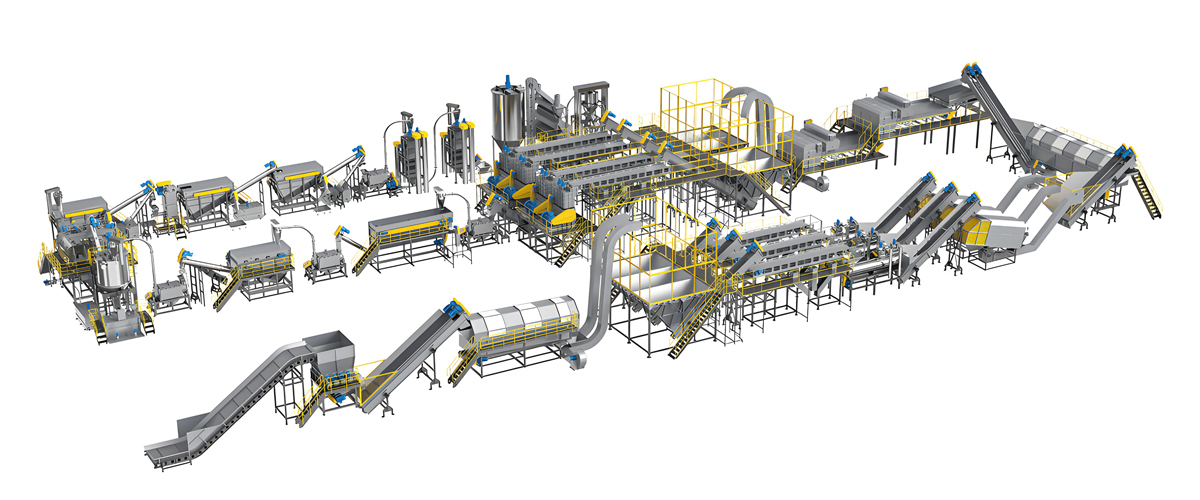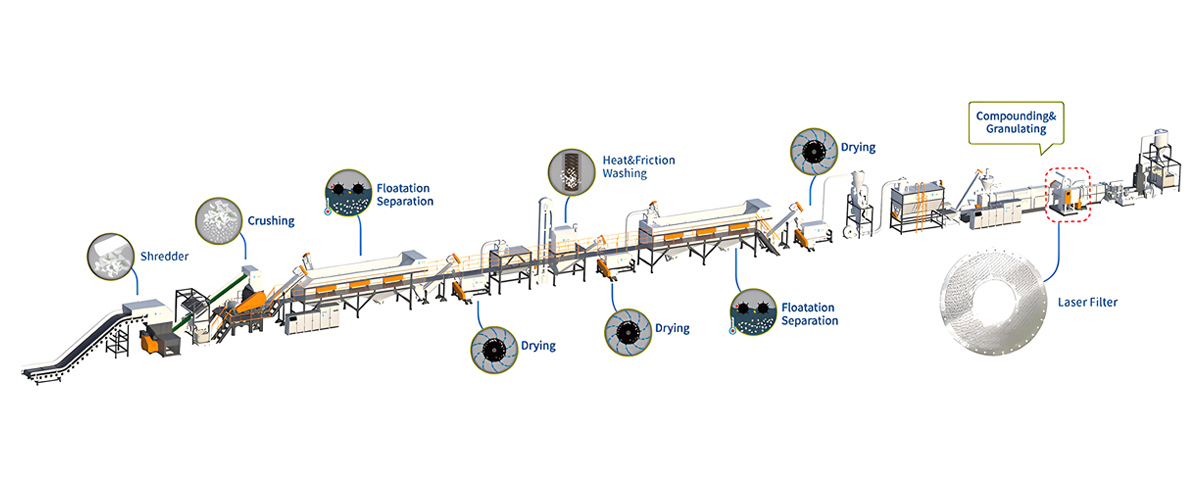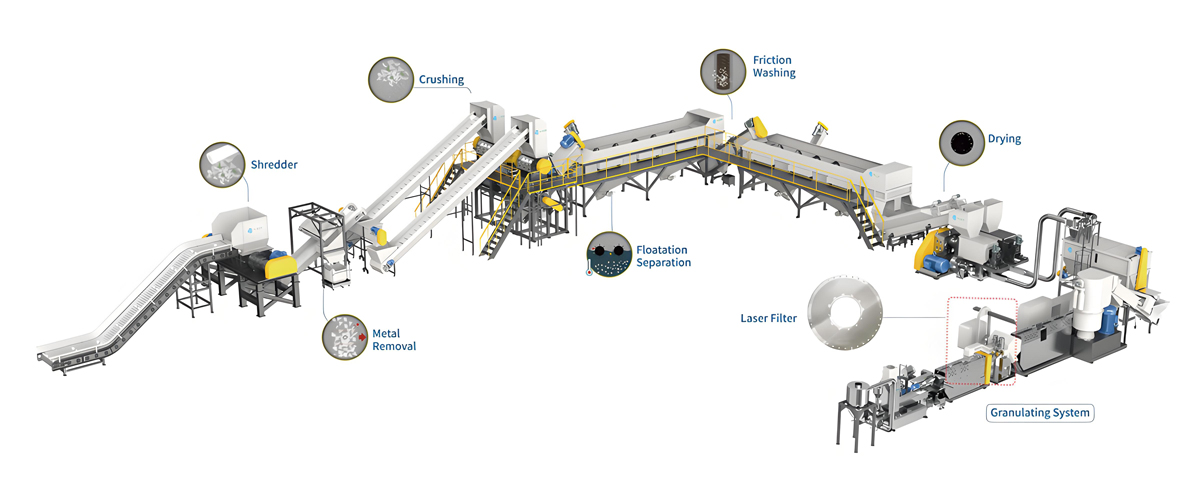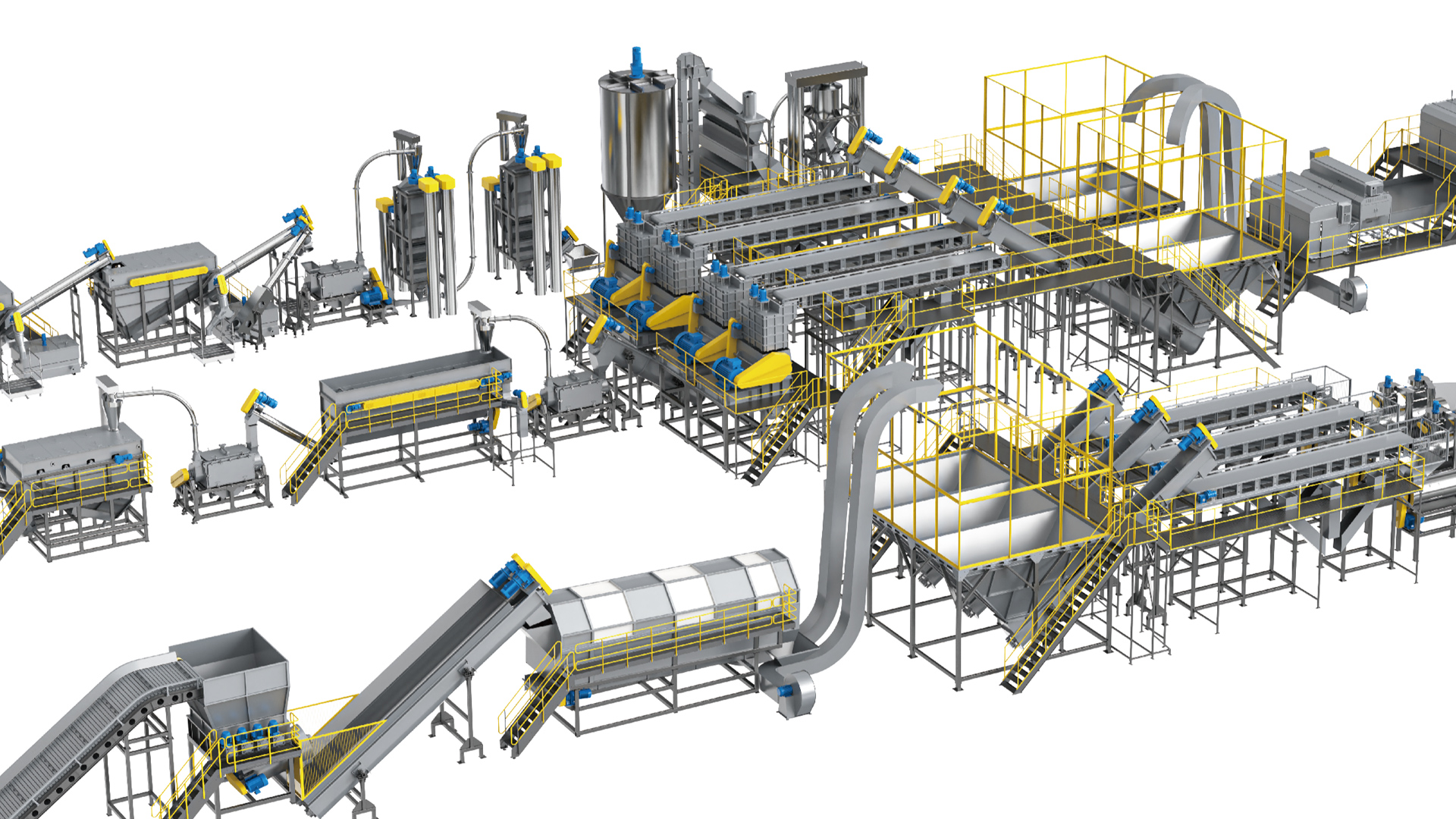

Eco friendly waste plastic management represents one of the most critical environmental challenges of our time while simultaneously offering tremendous opportunities for sustainable business development. The global plastic waste crisis has reached unprecedented levels with over 400 million tons of plastic produced annually and less than 10% being recycled effectively. Modern recycling technology has evolved dramatically in recent years, making eco friendly waste plastic management not only environmentally necessary but economically viable. POLYRETEC advanced recycling machines provide comprehensive solutions for transforming plastic waste into valuable raw materials while minimizing environmental impact through energy-efficient processes, closed-loop water systems, and zero-emission technologies. This comprehensive guide examines how modern recycling equipment enables environmentally responsible plastic waste management while delivering economic returns and supporting circular economy principles.
The Environmental Imperative of Plastic Recycling
Understanding the environmental impact of plastic waste provides essential context for the importance of proper recycling management. The cumulative effects of plastic pollution extend beyond visible litter to include microplastic contamination, greenhouse gas emissions from production, and resource depletion from petroleum extraction. Effective recycling addresses multiple environmental challenges simultaneously while conserving valuable resources.
Global Plastic Waste Crisis Statistics
Current statistics reveal the magnitude of the plastic waste challenge and the urgent need for effective management solutions. Global plastic production has grown exponentially from 2 million tons annually in 1950 to over 400 million tons today, with projections indicating continued growth. Of this production, approximately 79% accumulates in landfills or the natural environment, while only 9% has been recycled historically. This linear consumption pattern represents an enormous waste of resources and creates environmental problems that persist for centuries.
The economic impact of plastic waste is equally staggering, with estimates suggesting that 95% of plastic packaging material value, equivalent to $80 to $120 billion annually, is lost to the economy after just one use. This economic waste represents not only environmental damage but also significant missed opportunities for resource efficiency and business development. Modern recycling technology like POLYRETEC systems offers the capability to recapture much of this economic value while reducing environmental harm.
Environmental Benefits of Effective Recycling
Effective plastic recycling delivers substantial environmental benefits across multiple dimensions. Energy savings represent perhaps the most significant immediate benefit, with recycled plastics requiring 60% to 90% less energy to process compared to virgin material production. For polyethylene terephthalate (PET) recycling, energy savings reach up to 79%, while high-density polyethylene (HDPE) recycling saves approximately 88% of the energy required for virgin production. These energy savings directly translate to reduced greenhouse gas emissions, with recycled plastics generating 1.5 to 2.5 fewer tons of CO2 emissions per ton compared to virgin materials.
Beyond energy and emissions benefits, plastic recycling conserves valuable petroleum resources. Every ton of recycled plastic saves 800 to 1,000 liters of crude oil that would otherwise be required for virgin plastic production. Additionally, recycling reduces landfill usage, prevents plastic pollution in oceans and waterways, and decreases the need for new plastic production facilities with their associated environmental impacts. The cumulative environmental benefits make effective recycling a critical component of sustainable development strategies.
Regulatory and Policy Landscape
Government regulations and policy initiatives increasingly mandate plastic recycling and create market demand for recycled materials. Extended Producer Responsibility (EPR) programs in Europe, North America, and Asia require manufacturers to take responsibility for product end-of-life management, creating financial incentives for recycling investment. Plastic bans and restrictions on single-use plastics drive demand for recycled alternatives as companies seek sustainable packaging solutions.
Tax policies and financial incentives further support recycling investments. Many jurisdictions implement plastic taxes on virgin materials while offering tax credits for recycling operations. Minimum recycled content mandates, such as those implemented by the European Union requiring 30% recycled content in plastic bottles by 2030, create guaranteed demand for recycled materials. These policy developments make recycling investments increasingly attractive while creating favorable market conditions for recycled plastic products.
Modern Recycling Technology for Environmental Management
Advancements in recycling technology have transformed plastic recycling from an environmentally beneficial but often economically marginal activity into a viable business opportunity with substantial environmental benefits. POLYRETEC equipment incorporates cutting-edge technology that maximizes material recovery while minimizing environmental impacts across energy consumption, water usage, and emissions.
Energy-Efficient Processing Technologies
Modern recycling equipment incorporates multiple energy efficiency features that reduce environmental impact while lowering operating costs. Advanced motor systems with variable frequency drives (VFDs) consume 15% to 25% less energy than traditional motors by matching power consumption to actual load requirements. Regenerative braking systems recover energy during deceleration phases, feeding it back into the system rather than dissipating it as heat. Improved thermal insulation and heat recovery systems capture waste heat from processing equipment for reuse in drying operations or facility heating.
POLYRETEC PTC series granulating machines achieve energy consumption rates as low as 0.15 to 0.25 kWh per kilogram of processed material, representing substantial improvements over older equipment that consumed 0.35 to 0.45 kWh per kilogram. For a typical recycling operation processing 500 kg per hour, these energy savings amount to 50 to 100 kWh hourly, equivalent to annual cost savings of $15,000 to $30,000 based on typical electricity rates. These savings reduce both operating costs and environmental footprint simultaneously.
Closed-Loop Water Management Systems
Water conservation represents another critical environmental consideration in plastic recycling operations, particularly for washing-intensive applications like film and bottle recycling. Modern systems incorporate closed-loop water management that recycles and reuses water multiple times rather than continuously drawing fresh water and discharging wastewater. Advanced filtration technologies remove contaminants from process water, enabling continuous reuse while maintaining cleaning effectiveness.
POLYRETEC washing lines achieve water consumption rates of 1 to 2 tons per ton of recycled material, compared to 4 to 8 tons per ton for traditional systems. This represents 60% to 80% water savings, substantially reducing environmental impact and water utility costs. For a facility processing 1,000 tons annually, water savings range from 2,000 to 6,000 tons annually, equivalent to the water consumption of 8,000 to 24,000 people. The investment in water recycling systems typically costs $25,000 to $75,000 but delivers payback periods of 12 to 30 months based on water cost savings and reduced wastewater treatment expenses.
Emission Control and Air Quality Management
Advanced recycling equipment addresses air quality concerns through multiple emission control technologies. Activated carbon filters capture volatile organic compounds (VOCs) released during processing, preventing their release to the atmosphere. High-efficiency particulate air (HEPA) filtration systems remove dust and fine particles from exhaust streams. Ozone destruction systems eliminate ozone generated by high-voltage electrical equipment, protecting workers and the environment.
POLYRETEC equipment incorporates comprehensive emission control systems that meet the most stringent environmental regulations worldwide. The PTC-F series rolled film granulators include integrated VOC capture and filtration that removes 90% to 95% of airborne contaminants. For facilities operating in regulated environments, these emission control systems are essential for compliance and community acceptance. The investment in emission control equipment typically adds 10% to 20% to equipment costs but prevents regulatory violations and environmental harm.
Noise Pollution Reduction Technologies
Modern recycling equipment addresses noise pollution concerns that can affect workers and surrounding communities. Sound insulation materials, vibration damping systems, and optimized equipment design significantly reduce noise generation. Advanced drive systems with helical gears operate more quietly than traditional spur gears. Enclosed processing chambers contain noise while preventing material escape.
POLYRETEC equipment achieves noise levels below 75 decibels during operation, comparable to typical office environments and substantially quieter than traditional equipment that often exceeds 85 decibels. This reduction protects worker hearing health and minimizes community impact, enabling facilities to operate in more diverse locations including near residential or commercial areas. The investment in noise reduction technologies typically adds 5% to 15% to equipment costs but improves working conditions and community acceptance.
Material-Specific Environmental Management Strategies
Different plastic types present distinct environmental management challenges and opportunities. Tailoring recycling approaches to specific material characteristics maximizes environmental benefits while optimizing economic returns. Understanding these material-specific considerations enables informed decision-making about recycling investments and processing strategies.
Polyethylene Terephthalate (PET) Recycling
PET recycling offers some of the greatest environmental benefits due to the material’s widespread use in bottles and containers. Recycled PET reduces energy consumption by 79% compared to virgin PET production while preventing the environmental impacts of bottle litter. However, PET recycling requires careful moisture control to prevent hydrolytic degradation, which creates energy-intensive drying requirements. Advanced systems incorporate moisture removal technologies that minimize energy consumption while achieving necessary dryness levels.
POLYRETEC PTC series extruders handle PET recycling with specialized screw designs and venting systems that remove moisture effectively during processing. The energy consumption for PET recycling typically ranges from 0.18 to 0.28 kWh per kilogram, compared to 0.85 to 1.20 kWh per kilogram for virgin PET production. This energy savings, combined with the prevention of bottle waste, makes PET recycling one of the most environmentally beneficial recycling applications.
Polyolefin (PE/PP) Recycling Applications
Polyolefin recycling encompasses HDPE, LDPE, and PP materials that represent approximately 60% of all plastic production. These materials offer excellent recycling characteristics with low processing energy requirements and strong market demand. Agricultural film recycling presents particular environmental benefits by removing plastic waste from rural environments where it causes soil contamination and wildlife harm. However, film materials require thorough cleaning to remove soil and agricultural chemicals, creating water treatment challenges.
POLYRETEC plastic film bag granulating recycling machine lines feature advanced washing and filtration systems that clean contaminated films effectively while minimizing water consumption. These systems process agricultural films, shopping bags, and packaging films with energy consumption of 0.12 to 0.20 kWh per kilogram, representing 70% to 85% energy savings compared to virgin polyolefin production. The investment in complete film recycling lines ranges from $150,000 to $400,000 but delivers substantial environmental benefits and economic returns.
Engineering Plastics Recycling
Engineering plastics including ABS, polycarbonate, and nylon offer higher value recycled products but present more complex recycling challenges. These materials often require precise temperature control and may contain additives that complicate processing. However, successful recycling of engineering plastics prevents environmental contamination from their specialized additives and recovers high-value materials that would otherwise be lost to incineration or landfilling.
POLYRETEC equipment handles engineering plastics with advanced temperature control systems and specialized screw designs that accommodate these materials’ processing requirements. The energy savings for engineering plastic recycling typically range from 60% to 75% compared to virgin material production, while the higher market value of recycled engineering materials provides stronger economic returns than commodity plastics. The specialized equipment requirements typically increase investment costs by 20% to 40% compared to commodity plastic recycling systems.
Economic Analysis of Eco Friendly Recycling Investments
Environmental considerations must be balanced with economic viability to ensure sustainable recycling operations. Modern recycling technology delivers compelling economic returns while providing environmental benefits, making eco friendly waste management both environmentally responsible and financially attractive. Understanding the economics of recycling investments enables informed decision-making and business planning.
Capital Investment Requirements
Capital investment requirements for recycling facilities vary based on capacity, material types, and technology level. Small-scale operations with capacity of 100 to 300 kg per hour require investments of $80,000 to $250,000 for basic equipment and infrastructure. Medium-scale operations with 500 to 1,000 kg per hour capacity require investments of $300,000 to $800,000. Large-scale operations exceeding 1,500 kg per hour capacity may require investments of $1 million to $3 million or more.
POLYRETEC offers equipment solutions across this entire capacity range, with the PTC series single screw extruders ranging from $65,000 for smaller models to $180,000 for larger units. Complete recycling lines including material preparation, washing, drying, and pelletizing systems typically cost 2 to 3 times the extruder cost alone. The investment decision should balance capacity requirements with market demand, material availability, and economic projections to achieve optimal utilization and profitability.
Operating Cost Structure
Understanding operating cost structures enables accurate financial projections and optimization of recycling economics. Raw material costs represent the largest expense component, typically 50% to 70% of total operating costs for recycling operations using purchased scrap material. For operations with free or low-cost material collection agreements, this cost component can be significantly reduced. Energy costs represent 10% to 20% of operating costs, making energy efficiency improvements particularly valuable.
Labor costs vary substantially based on automation level, ranging from 5% to 15% of operating costs for highly automated systems to 15% to 25% for more manual operations. Maintenance costs typically represent 5% to 10% of equipment value annually, or approximately 3% to 8% of operating costs. Utilities beyond energy, including water and compressed air, add 2% to 5% to operating costs. POLYRETEC equipment design focuses on minimizing these operating costs through energy efficiency, automation, and reliability that reduces maintenance requirements.
Revenue Streams and Market Values
Recycling revenue depends on material quality, market demand, and customer relationships. Commodity recycled plastics including HDPE, LDPE, and PP typically sell for $600 to $1,100 per ton depending on quality and market conditions. Higher-quality recycled materials for demanding applications can command premiums of 20% to 50% over commodity prices. Food-grade and medical-grade recycled plastics offer the highest values, typically $1,200 to $1,800 per ton for suitable applications.
Service revenue streams may complement material sales, particularly for facilities offering processing services rather than selling finished recycled materials. Processing fees typically range from $150 to $400 per ton depending on material contamination levels and required processing intensity. POLYRETEC equipment quality enables production of premium-grade materials that access higher-value market segments, improving overall profitability.
Return on Investment Analysis
Return on investment (ROI) for recycling facilities varies based on multiple factors but typically ranges from 18 to 48 months. Facilities with favorable material supply, strong market access, and efficient operations often achieve ROI of 18 to 30 months. Operations with more challenging conditions or less favorable economics may require 30 to 48 months to recover investments. The investment in environmental management features like emission control and water recycling typically adds 10% to 20% to capital costs but may extend ROI by 3 to 6 months due to additional costs.
However, these environmental investments often provide non-financial benefits including regulatory compliance, community acceptance, and competitive differentiation that can be more valuable than the direct ROI calculation suggests. Facilities that establish strong environmental credentials may access premium markets, attract customers with sustainability commitments, and avoid regulatory penalties that less-prepared facilities might face.
Water Conservation and Management Strategies
Water conservation represents a critical environmental consideration for recycling operations, particularly those involving extensive washing processes. Modern water management strategies dramatically reduce consumption while maintaining cleaning effectiveness and regulatory compliance.
Water Recycling System Technologies
Advanced water recycling systems incorporate multiple filtration stages that progressively remove contaminants while preserving water for reuse. The first stage typically removes large particles through sedimentation or coarse filtration. Second-stage fine filtration removes smaller contaminants down to 10 to 50 microns. Third-stage ultrafiltration or membrane filtration removes dissolved contaminants and fine particles, producing water quality suitable for reuse in washing processes.
POLYRETEC washing lines integrate water recycling systems that achieve overall water recovery rates of 80% to 95%, dramatically reducing fresh water consumption. The investment in comprehensive water recycling typically ranges from $25,000 to $80,000 depending on system capacity and complexity. However, these systems typically pay for themselves through water cost savings and reduced wastewater treatment expenses within 12 to 30 months depending on local water costs and regulatory requirements.
Zero Liquid Discharge Systems
For facilities in areas with strict water discharge regulations or limited water availability, zero liquid discharge (ZLD) systems eliminate wastewater discharge entirely through evaporation and solidification of remaining contaminants. These systems represent the ultimate water conservation approach but require substantial capital investment and energy input. ZLD systems typically cost $100,000 to $300,000 beyond standard recycling systems and add 10% to 20% to energy consumption due to evaporation requirements.
However, ZLD systems enable operation in environmentally sensitive areas and completely eliminate wastewater discharge regulatory compliance concerns. For facilities facing expensive wastewater treatment fees or operating in water-constrained regions, ZLD systems may provide essential operational capabilities despite their higher capital and operating costs.
Rainwater Harvesting and Alternative Water Sources
Many recycling facilities supplement traditional water supplies with alternative sources that reduce environmental impact and utility costs. Rainwater harvesting systems collect precipitation from facility roofs for use in non-potable applications including washing and cooling. Greywater recycling systems treat facility wastewater for appropriate reuse in processing applications where water quality requirements are less stringent.
The investment in rainwater harvesting systems typically ranges from $5,000 to $25,000 depending on collection area size and storage capacity. These systems can supply 10% to 30% of facility water requirements in regions with adequate rainfall, reducing water costs and environmental impact. For water-intensive recycling operations, even modest water savings translate to substantial economic benefits and environmental improvements.
Energy Management and Efficiency Optimization
Energy consumption represents both an environmental concern and a major operating cost factor for recycling operations. Strategic energy management and efficiency improvements simultaneously reduce environmental impact and improve profitability through cost savings.
Energy Audit and Baseline Establishment
Comprehensive energy audits establish baseline consumption patterns and identify efficiency improvement opportunities. Energy audits should measure total facility energy consumption as well as specific energy use by major equipment components. Understanding energy distribution helps prioritize efficiency investments toward areas with the greatest potential for improvement. Most recycling operations can identify energy saving opportunities of 15% to 30% through detailed energy audits.
Energy audits typically cost $5,000 to $25,000 depending on facility size and complexity but often identify savings that pay for the audit costs many times over. POLYRETEC equipment includes energy monitoring capabilities that facilitate ongoing energy management and optimization beyond initial audit findings.
Equipment Efficiency Upgrades
Targeted equipment upgrades can deliver substantial energy savings while maintaining or improving processing capabilities. Motor upgrades from standard efficiency to premium efficiency models reduce energy consumption by 10% to 15% with payback periods of 18 to 36 months. Variable frequency drive installation on motors that operate at varying loads reduces energy consumption by 20% to 50% depending on operating patterns. Heat recovery systems capture waste heat for reuse, reducing heating energy requirements by 30% to 50% for appropriate applications.
The investment in energy efficiency upgrades typically ranges from 10% to 30% of new equipment costs for retrofits, with payback periods generally ranging from 12 to 36 months. These upgrades reduce both operating costs and environmental impact simultaneously, making them particularly attractive investments for recycling operations.
Renewable Energy Integration
Renewable energy systems reduce grid electricity consumption and associated greenhouse gas emissions. Solar photovoltaic systems represent the most common renewable energy solution for recycling facilities, with typical installations offsetting 20% to 60% of facility electricity consumption. The investment cost for solar systems ranges from $1,500 to $3,000 per kilowatt of installed capacity, with typical facility installations ranging from 50 kW to 500 kW representing investments of $75,000 to $1.5 million.
Solar systems typically achieve payback in 6 to 12 years depending on location, electricity costs, and available incentives. While longer payback periods than many energy efficiency investments, solar systems provide long-term electricity cost stability and environmental benefits that continue for system lifespans of 25 to 30 years. POLYRETEC equipment energy efficiency features reduce the required solar system size, improving the economics of renewable energy integration.
Smart Energy Management Systems
Advanced energy management systems monitor energy consumption in real-time, optimize equipment operation to minimize energy use, and identify developing problems through consumption patterns. These systems typically reduce total energy consumption by 5% to 15% through optimized operation and prevent energy waste from poorly performing equipment. The investment typically ranges from $15,000 to $50,000 for comprehensive systems that monitor all major equipment.
Smart energy management provides additional benefits beyond direct energy savings including early equipment failure detection, capacity optimization, and automated reporting. The ability to identify and address energy consumption anomalies prevents gradual efficiency declines that often go unnoticed until substantial energy and cost losses have occurred.
Waste Minimization and Circular Economy Integration
True eco friendly waste plastic management extends beyond recycling to include comprehensive waste minimization and circular economy integration. Advanced facilities approach waste as a design failure rather than an inevitable outcome, striving to eliminate waste generation while maximizing material recovery.
Byproduct Valorization Strategies
Even the most efficient recycling operations generate some byproducts that require management rather than landfilling. Non-recyclable residues can often be converted to energy through controlled combustion or pyrolysis processes that generate useful fuels or energy. Metal contaminants recovered during recycling have value as scrap metal. Organic residues from agricultural films may have value as compost or biogas feedstock after appropriate processing.
Developing byproduct valorization strategies typically requires modest investments of $20,000 to $75,000 for separation and processing equipment but can transform waste streams from disposal costs to revenue sources. The environmental benefits include reduced landfill usage and more complete resource recovery. POLYRETEC equipment design facilitates material separation and recovery, supporting comprehensive byproduct management strategies.
Design for Recycling Considerations
Facilities that both produce plastic products and recycle plastic waste can optimize operations by designing products for recyclability. This includes selecting mono-materials rather than multi-layer structures, using compatible materials in product components, avoiding additives that complicate recycling, and designing products that enable efficient disassembly and material separation. While design for recycling primarily applies to product manufacturers rather than recycling facilities, the close integration of production and recycling can create substantial environmental benefits.
The investment in design for recycling capabilities includes design software, testing equipment, and expertise development. However, these investments improve material recovery rates, reduce processing requirements, and increase the value of recovered materials. Facilities that control both product design and recycling can achieve material recovery rates exceeding 95%, compared to 85% to 90% for typical recycling operations.
Industrial Symbiosis and Material Exchange
Industrial symbiosis involves coordinating waste streams and material requirements across multiple facilities to minimize overall waste and maximize resource efficiency. Recycling facilities can partner with manufacturers to optimize material collection, exchange byproducts, and create closed-loop material flows. These partnerships often require minimal capital investment but depend on relationship development and logistical coordination.
Industrial symbiosis can reduce transportation emissions through optimized logistics, increase material recovery rates through specialized partnerships, and create new business opportunities through waste stream utilization. The environmental benefits include reduced total waste generation, lower transportation emissions, and more efficient resource use. POLYRETEC equipment flexibility supports diverse material streams that enable industrial symbiosis approaches.
Community Engagement and Social Responsibility
Eco friendly waste plastic management extends beyond technical operations to include community engagement and social responsibility aspects that support environmental goals. Community acceptance, workforce development, and social license to operate all influence the environmental and economic success of recycling operations.
Transparent Environmental Reporting
Transparent communication about environmental performance builds trust with communities, customers, and regulatory authorities. Recycling facilities should report key environmental metrics including material recovery rates, energy consumption, water usage, emissions, and waste generation. Third-party verification of environmental claims enhances credibility and demonstrates commitment to environmental responsibility.
The investment in environmental measurement and reporting systems typically ranges from $10,000 to $40,000 including monitoring equipment, data management systems, and reporting processes. However, transparent reporting often provides substantial benefits through improved community relations, enhanced customer trust, and simplified regulatory compliance. Facilities that establish strong environmental credentials may access premium markets and avoid regulatory penalties that less transparent operations might face.
Community Education and Involvement
Community education programs help build understanding of recycling operations and benefits while promoting proper waste separation and recycling participation among local residents. Facility tours, school education programs, and community outreach events foster positive relationships and encourage community support for recycling initiatives. These programs typically require modest investments of $5,000 to $20,000 annually but deliver substantial community relations benefits.
Community involvement also includes employment opportunities and local economic development. Recycling facilities provide skilled manufacturing jobs that support local economic development. Many facilities implement local hiring preferences that maximize community benefits. The social and economic benefits to communities strengthen business operations by creating supportive local environments and reducing opposition to facility operations.
Worker Safety and Health Programs
Comprehensive worker safety and health programs protect employees while demonstrating environmental and social responsibility. Programs should include appropriate personal protective equipment, ergonomic workstations, ventilation systems for dust and fume control, noise mitigation, and regular health monitoring. The investment in comprehensive safety programs typically ranges from 3% to 6% of annual operating costs but prevents costly injuries, improves productivity, and demonstrates commitment to workforce well-being.
POLYRETEC equipment incorporates numerous safety features including emergency stop systems, guarding, interlocks, and noise reduction that support worker safety programs. Beyond regulatory compliance, strong safety programs improve worker satisfaction, reduce turnover costs, and enhance community reputation.
Future Trends and Emerging Technologies
The field of eco friendly waste plastic management continues evolving with new technologies and approaches that enhance environmental benefits and economic viability. Staying informed about emerging developments enables facilities to adopt beneficial innovations and prepare for future requirements.
Advanced Sorting and Separation Technologies
New sorting technologies including artificial intelligence, hyperspectral imaging, and robotics enable more precise material separation that increases recovery rates and reduces contamination. These technologies can identify and separate materials by polymer type, color, and contamination level with accuracy exceeding 95%. The investment in advanced sorting systems typically ranges from $150,000 to $500,000 but enables recovery of high-purity materials that access premium markets.
Chemical Recycling Innovations
Chemical recycling technologies including depolymerization, pyrolysis, and gasification convert plastic waste to chemical feedstocks rather than mechanically processing it into recycled pellets. These technologies can handle contaminated or multi-layer plastics that are difficult to recycle mechanically. Chemical recycling facilities typically require substantial investments of $5 million to $50 million but provide new pathways for materials that would otherwise be landfilled or incinerated.
Digital Twin and Simulation Technologies
Digital twin technology creates virtual replicas of recycling operations that enable optimization without physical trial and error. Simulation can predict the impact of process changes, identify bottlenecks, and optimize parameters before implementation. These technologies typically cost $50,000 to $200,000 but enable rapid optimization and continuous improvement that reduces environmental impact while improving efficiency.
Internet of Things (IoT) Integration
IoT sensors and connectivity enable comprehensive real-time monitoring of all aspects of recycling operations. Equipment performance sensors, environmental monitoring systems, and production tracking devices provide unprecedented visibility into operations and environmental impact. IoT integration typically costs $20,000 to $75,000 but enables data-driven optimization and predictive capabilities that reduce energy consumption, prevent emissions, and maximize resource recovery.
Implementation Roadmap for Eco Friendly Recycling
Establishing an eco friendly recycling operation requires systematic planning and implementation across multiple dimensions. A structured implementation approach ensures that environmental benefits are maximized while maintaining economic viability and operational efficiency.
Planning and Assessment Phase
The planning phase should assess material availability, market demand, regulatory requirements, and environmental goals. Feasibility studies evaluate technical requirements, economic projections, and environmental impacts. The planning phase typically requires 3 to 6 months and costs $20,000 to $75,000 including market research, site assessment, and financial analysis. Thorough planning prevents costly mistakes and ensures that implemented systems align with both environmental and economic objectives.
Technology Selection and Procurement
Technology selection should balance environmental performance with economic viability and operational requirements. POLYRETEC offers equipment options across the environmental performance spectrum, enabling selection of appropriate technologies for specific applications and budgets. The procurement process should include detailed technical specifications, environmental performance criteria, and lifecycle cost analysis. Technology selection typically requires 2 to 4 months with equipment procurement requiring an additional 3 to 6 months for delivery.
Installation and Commissioning
Professional installation and commissioning ensure that equipment performs to specifications and environmental requirements. Installation typically requires 4 to 12 weeks depending on system complexity and site preparation completeness. Commissioning includes performance testing, calibration, and optimization to achieve environmental and production targets. The investment in professional installation and startup support typically costs 5% to 10% of equipment value but prevents problems and ensures optimal performance.
Operation and Continuous Improvement
Ongoing operation includes regular monitoring, maintenance, and continuous improvement efforts. Environmental management systems should be established to ensure ongoing compliance and identify improvement opportunities. Regular reviews of environmental performance, operating practices, and emerging technologies enable continuous enhancement of environmental performance while maintaining economic viability. The investment in ongoing improvement typically ranges from 2% to 5% of annual operating costs but delivers substantial returns through improved efficiency and reduced environmental impact.
Conclusion
Eco friendly waste plastic management with advanced recycling machines represents both an environmental imperative and a significant business opportunity. Modern recycling technology from POLYRETEC enables transformation of plastic waste from environmental problem to valuable resource while minimizing energy consumption, water usage, and environmental impact. The combination of economic viability and environmental benefits makes recycling investments attractive from both business and sustainability perspectives.
Effective eco friendly recycling requires comprehensive attention to environmental considerations across facility design, equipment selection, operational practices, and community relations. Facilities that adopt systematic approaches to environmental management achieve superior performance across environmental metrics while building competitive advantages through operational efficiency, market access, and community acceptance.
The future of waste plastic management will continue evolving with technological advances, regulatory developments, and changing market dynamics. Facilities that establish strong environmental foundations today will be well-positioned to adopt emerging innovations and adapt to future requirements. The investment in eco friendly recycling capabilities represents not just environmental responsibility but strategic preparation for sustainable business growth in the evolving circular economy.
As global plastic waste challenges intensify and environmental regulations strengthen, eco friendly waste plastic management will become increasingly critical for business success and environmental protection. POLYRETEC advanced recycling technology provides the tools and capabilities needed to transform plastic waste from environmental burden to sustainable resource, delivering both environmental benefits and economic returns for forward-thinking operators who recognize the opportunities in this essential industry.