
1. Introduction to Tecnologia austríaca Low Energy Plastic Linha de Reciclagem
1.1 Overview of Advanced Austrian Plastic Recycling Technology
Austrian plastic recycling technology has long been recognized as one of the most advanced and mature green manufacturing technologies in the global waste plastic treatment industry. Focusing on low energy consumption, high purification rate, and intelligent continuous operation, Austrian technical standards have set industry benchmarks for mechanical plastic recycling, solving the core pain points of traditional recycling equipment such as high power consumption, low material utilization, unstable purification effect and serious resource waste. Different from conventional ordinary recycling lines that simply complete crushing and cleaning, Austrian technology integrates precise mechanical separation, low-temperature melting and energy cycle recovery systems to realize low-carbon and high-efficiency regeneration of various waste plastics.
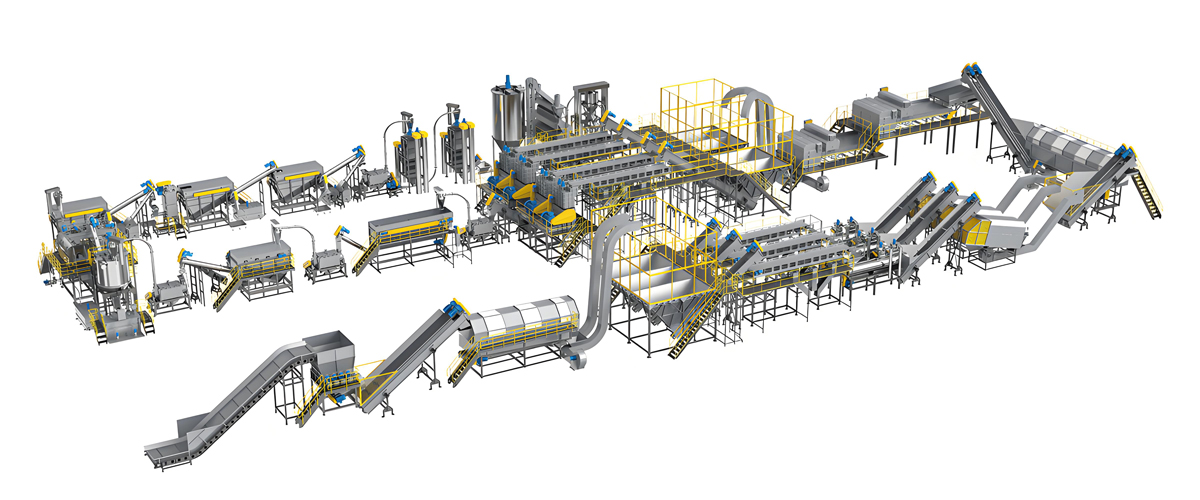
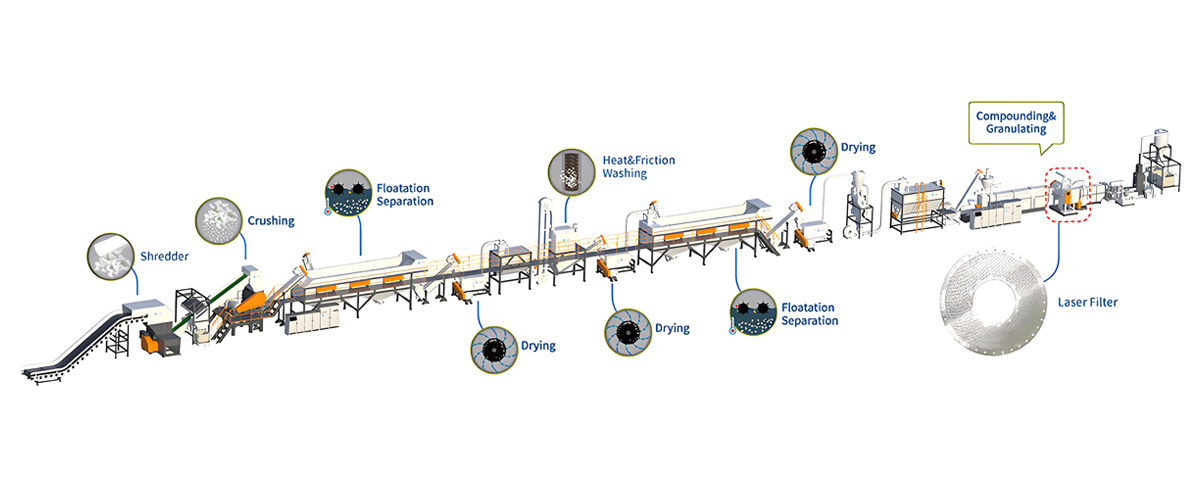
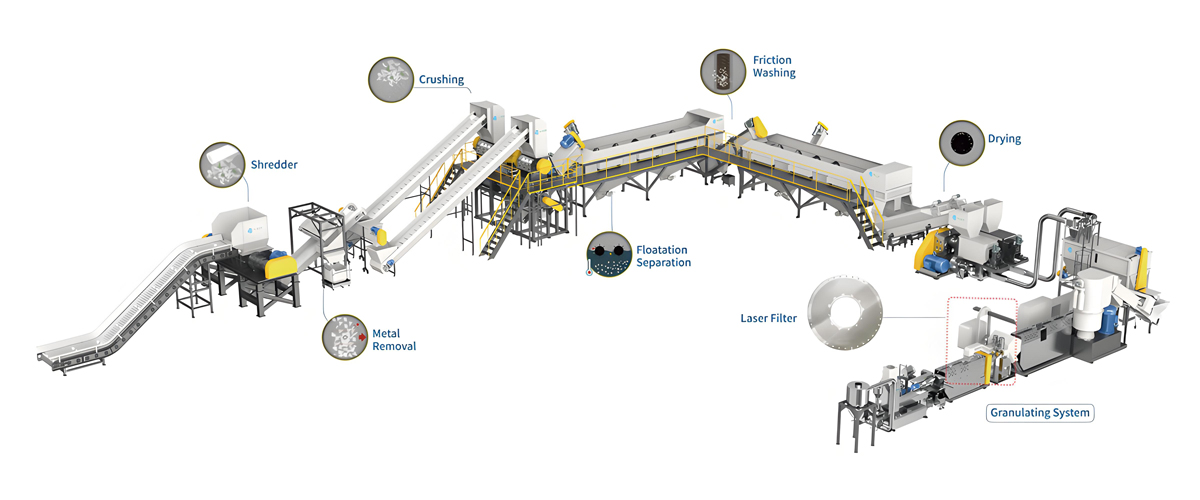
POLYRETEC independently develops and manufactures low energy consumption plastic recycling line based on mature Austrian core technology, fully absorbing the European low-carbon process design concept and intelligent mechanical structure. This series of recycling equipment covers complete processing links from waste plastic sorting, crushing, washing, dehydration, drying to granulation, forming a fully automated closed-loop recycling system. It is widely applicable to PET, PP, PE, PVC and other common waste plastic materials, and has become the core equipment for global plastic processing enterprises to carry out low-cost and high-efficiency plastic recycling and regeneration projects.
1.2 Industry Pain Points of Traditional High Energy Consumption Recycling Equipment
Most traditional plastic recycling lines on the market adopt decentralized structural design and outdated process logic, which leads to extremely high comprehensive energy consumption in actual operation. Traditional equipment usually relies on high-power single-machine operation and repeated heating and cooling processes, with unit power consumption reaching 1.2kWh to 1.5kWh per kilogram of recycled plastic materials. Long-term continuous operation will bring huge electricity cost pressure to enterprises. In addition, the mismatched operation rhythm of decentralized equipment leads to low production continuity, frequent startup and shutdown, and further increases invalid energy consumption.
Apart from high energy consumption, traditional recycling equipment also has problems such as low cleaning purity, large water consumption, serious material loss and high manual dependence. The low purification quality of recycled materials makes it difficult to enter high-value application markets, resulting in low project profit margins. Outdated equipment structures have high failure rates and short maintenance cycles, increasing the comprehensive operation and maintenance costs of enterprises. These drawbacks have forced more and more recycling enterprises to eliminate traditional high-energy equipment and upgrade to low-energy consumption recycling lines based on Austrian advanced technology.
1.3 Market Value of Low Energy Consumption Plastic Recycling Solutions
With the global implementation of carbon emission reduction policies and the continuous improvement of environmental protection standards, low-carbon and energy-saving production has become the basic threshold for the sustainable operation of plastic recycling enterprises. European and international environmental protection certifications, green factory evaluation and high-value recycled material procurement standards all put forward clear energy consumption control requirements for recycling production lines. Low energy consumption plastic recycling line with Austrian technology can effectively reduce the carbon footprint of production projects, help enterprises meet international green production standards, and obtain high-end recycled material order qualifications.
In terms of economic benefits, low energy consumption operation can directly reduce the daily power consumption cost of the production line. At the same time, the integrated high-efficiency structure reduces water consumption, material waste and manual investment, comprehensively optimizing the comprehensive production cost of recycling projects. For large, medium and small plastic recycling enterprises, upgrading low-energy Austrian technology recycling line is an inevitable choice to reduce operating costs, improve product competitiveness and realize long-term sustainable development.
2. Core Technical Principles of Austrian Low Energy Consumption Recycling Technology
2.1 Integrated Compact Process Design
The biggest technical feature of Austrian low-energy plastic recycling technology is the integrated compact process layout, which abandons the scattered and repetitive process design of traditional equipment. The whole production line integrates sorting, crushing, friction washing, floating washing, high-speed dehydration, hot air drying and granulation molding into a unified intelligent operation system. The process flow is optimized and streamlined, eliminating redundant conveying and repeated processing links, and greatly reducing invalid energy consumption generated by intermediate links.
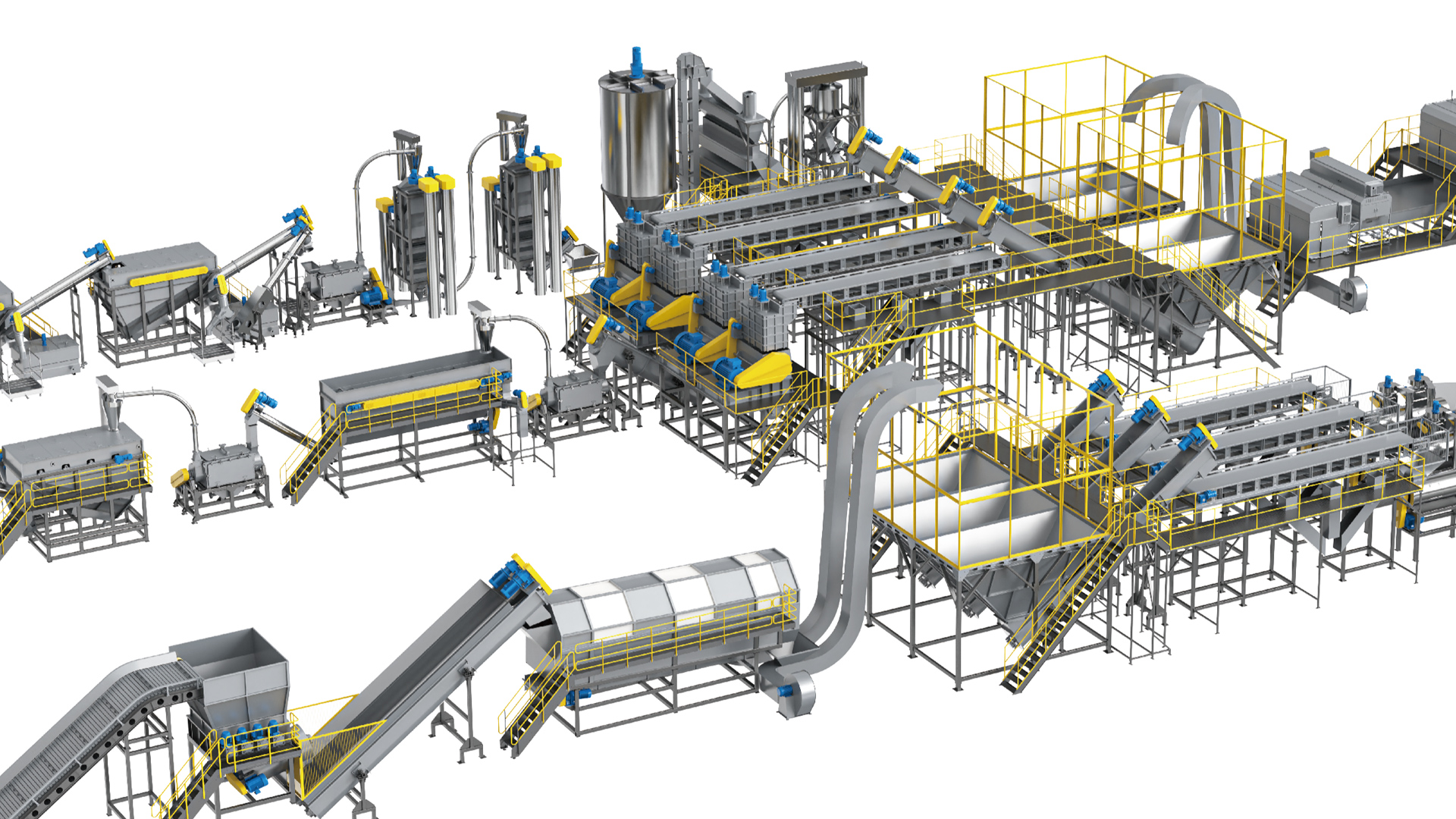
POLYRETEC plastic recycling line strictly follows Austrian integrated process standards, realizing seamless docking of all equipment units. The operation speed and processing rhythm of each link are intelligently matched, avoiding energy waste caused by equipment idle waiting and asynchronous operation. The compact structural design also reduces the floor area of the production line, saves plant construction and site operation costs for enterprises, and improves the overall space utilization rate of the project.
2.2 Low-Temperature Mechanical Purification and Energy Recovery Technology
Different from the high-temperature melting and repeated heating process of traditional recycling equipment, Austrian core technology adopts low-temperature mechanical physical purification. It removes impurities, dirt and mixed heterologous materials through high-precision mechanical friction, sorting and separation, without high-temperature heating and repeated plasticization. This low-temperature processing mode fundamentally reduces heat energy consumption and avoids material performance degradation caused by high-temperature treatment, ensuring the high quality of recycled plastic particles.
Equipped with an independent waste heat recovery and reuse system, the equipment collects the heat generated by operation friction and hot air drying, and reuses it for material preheating and workshop temperature regulation. The closed-loop energy cycle system further improves energy utilization efficiency, reducing the comprehensive unit energy consumption by more than 30% compared with traditional recycling production lines. This energy recovery technology is the core advantage of Austrian low-energy recycling equipment and the key to realize long-term low-cost operation of the production line.
2.3 Frequency Conversion Intelligent Energy-Saving Control System
Austrian advanced recycling technology is matched with full-line frequency conversion intelligent regulation system, which can realize automatic stepless speed regulation according to material input volume, impurity content and production load. When the production load is low, the equipment automatically reduces operating power and speed to avoid constant high-power operation energy waste of traditional fixed-frequency equipment. When the load increases, it intelligently adjusts the operating parameters to ensure stable production efficiency, realizing precise matching of energy consumption and production output.
POLYRETEC low energy consumption plastic recycling line inherits this intelligent frequency conversion control technology, with independent PLC central control system to monitor the operating power, running state and energy consumption data of each equipment unit in real time. The system automatically optimizes the operation logic according to real-time production conditions, effectively reducing no-load and light-load energy consumption, and realizing the optimal energy-saving state of the whole production line.
2.4 High-Precision Low-Loss Material Separation Technology
Traditional recycling equipment has low separation precision, resulting in a large amount of qualified plastic materials being discharged with impurities, with a material recycling rate of only 75% to 80%. Austrian technology adopts multi-stage precise physical separation design, including density floating separation, centrifugal dehydration separation and airflow impurity removal separation, which can accurately separate plastic materials from sediment, oil stains, paper scraps, metal impurities and heterologous plastics. The material recycling rate is increased to more than 95%, avoiding material resource waste caused by insufficient separation.
High-precision separation technology reduces the repeated processing times of materials, avoids secondary energy consumption caused by repeated crushing and cleaning, and further reduces the unit energy consumption of finished recycled particles. While ensuring low energy consumption, it greatly improves the yield and quality of recycled products, realizing the dual improvement of energy-saving benefit and economic benefit.
3. Complete Structural Composition of POLYRETEC Tecnologia austríaca Linha de Reciclagem
3.1 Automatic Feeding and Pre-Sorting Unit
The front-end automatic feeding and pre-sorting unit is optimized according to Austrian process standards, equipped with intelligent conveyor and preliminary impurity removal device. It can automatically screen large impurities such as stones, metal blocks and woven bags in waste plastics, avoiding equipment jamming and invalid operation caused by large impurities. The automatic feeding system realizes uniform and stable material conveying, preventing equipment overload operation and intermittent material shortage operation, and effectively stabilizing energy consumption fluctuation.
Compared with manual feeding of traditional equipment, the automatic feeding unit has stable feeding volume and uniform load, which can maintain the production line in a continuous and efficient operation state, reduce frequent startup and shutdown energy loss, and lay a foundation for stable low-energy operation of the whole line.
3.2 High-Efficiency Low-Power Crushing Unit
The crushing unit adopts Austrian optimized low-shear high-efficiency crushing structure, with special alloy cutter head and segmented crushing cavity design. Under the premise of ensuring uniform crushing particle size, the equipment reduces crushing resistance and invalid friction, and the crushing power consumption is reduced by 25% compared with ordinary crushing equipment. The optimized rotor structure realizes one-time uniform crushing of waste films, bottles and block plastics, avoiding repeated crushing and secondary energy consumption.
The crushing unit is equipped with independent frequency conversion speed regulation function, which can adjust the crushing speed according to different material hardness and size, realizing precise energy-saving control while ensuring crushing quality. The whole crushing process has low noise, low vibration and stable operation, with low failure rate and low daily maintenance energy consumption.
3.3 Multi-Stage Circulating Water Cleaning Unit
The cleaning unit adopts Austrian closed circulating water cleaning technology, abandoning the large water consumption and continuous water supply mode of traditional equipment. The multi-stage gradient cleaning process realizes classified removal of surface dirt, oil stains and internal impurities of plastic fragments. The circulating water filtration and purification system can recycle cleaning water in a closed loop, reducing water consumption by more than 80% compared with traditional cleaning lines, and reducing water pump operation energy consumption at the same time.
The friction washing and floating washing are matched with intelligent water volume adjustment, automatically matching water flow and water pressure according to material pollution degree, avoiding excessive water supply and water pump idle operation energy waste. The high-efficiency cleaning structure ensures high cleaning purity while realizing low water and energy consumption.
3.4 High-Speed Dehydration and Low-Temperature Drying Unit
The dehydration unit adopts high-speed centrifugal physical dehydration technology, with dehydration rate up to 98%, which can quickly remove surface moisture of plastic fragments without high-temperature baking. The low-temperature hot air drying system adopts waste heat recovery air supply mode, using the waste heat generated by equipment operation for auxiliary drying, greatly reducing the heating energy consumption of the drying link.
Different from the long-time high-temperature drying of traditional equipment, the Austrian low-temperature drying process shortens drying time, reduces heat energy consumption, and avoids material aging and performance degradation caused by high-temperature drying. The dried plastic fragments have uniform dryness and stable quality, which is conducive to subsequent high-quality granulation processing.
3.5 Intelligent Granulation and Finishing Unit
The granulation unit adopts low-temperature plasticization and extrusion granulation technology optimized by Austrian technology, with optimized screw structure and low-shear plasticizing design. It realizes uniform melting and granulation of recycled plastic fragments at low temperature, reducing heating energy consumption and ensuring uniform and compact particle texture. The frequency conversion traction and cutting system operates synchronously with the extrusion host, avoiding asynchronous operation energy waste and improving granulation efficiency.
The finished product finishing unit automatically screens and collects qualified particles, removes defective particles and fine powder, ensures the uniformity of finished recycled particles, and improves the market value of recycled products. The whole granulation process is stable and efficient, with low comprehensive energy consumption and high finished product qualification rate.
4. Production Process Flow of Low Energy Consumption Plastic Linha de Reciclagem
4.1 Raw Material Preprocessing and Automatic Feeding
Waste plastic raw materials such as waste PET bottles, PE films and PP plastic blocks are sorted and packaged in the early stage, and large foreign impurities are manually removed. The raw materials are sent to the production line through the automatic feeding conveyor, and the intelligent pre-sorting device automatically screens residual metal, stones and other impurities to ensure the stability of subsequent equipment operation. The uniform feeding mode avoids equipment overload and intermittent operation, and maintains stable low-energy operation state.
4.2 Intelligent Low-Power Crushing and Shaping
The raw materials enter the low-power crushing unit, and the frequency conversion system automatically adjusts the crushing speed according to the material type and volume. Through one-time high-efficiency crushing, uniform plastic fragments of fixed particle size are formed. The optimized crushing structure reduces friction resistance and invalid power consumption, completing material crushing with the lowest energy consumption, and laying a foundation for subsequent high-efficiency cleaning and separation.
4.3 Multi-Stage Circulating Water High-Purity Cleaning
The crushed plastic fragments enter the circulating water cleaning system, and complete preliminary dirt removal through groove type floating washing, and remove surface oil stains and stubborn impurities through high-speed friction washing. The closed circulating water system realizes automatic filtration, purification and recycling of cleaning water, without continuous discharge of waste water, which not only saves water resources, but also reduces the operation energy consumption of water supply and drainage equipment. After multi-stage cleaning, the impurity content of plastic fragments is controlled below 0.5%.
4.4 Centrifugal Dehydration and Waste Heat Drying
The cleaned plastic fragments are sent to the high-speed centrifugal dehydration unit to remove most of the surface moisture. After preliminary dehydration, the materials enter the low-temperature waste heat drying system, and use the waste heat recovered from the production line for auxiliary drying to completely remove residual moisture. The whole drying process does not need independent high-power heating equipment, realizing low-energy and high-efficiency drying treatment.
4.5 Low-Temperature Granulation and Finished Product Sorting
The dry and clean plastic fragments enter the intelligent granulation unit, and complete uniform melting, extrusion, traction and cutting through low-temperature plasticization process. The frequency conversion synchronous control system ensures the coordination and stability of each link of granulation, reduces invalid energy consumption, and finally forms uniform and high-quality recycled plastic particles. The finished product screening device automatically removes defective particles and fine powder, and the qualified finished particles are packaged and stored.
5. Core Advantages of Tecnologia austríaca Low Energy Consumption Linha de Reciclagem
5.3 Ultra-Low Unit Energy Consumption Operation
Compared with traditional ordinary plastic recycling lines, POLYRETEC Austrian technology recycling line has extremely prominent energy-saving advantages. The actual measured unit energy consumption is controlled at 0.7kWh to 0.8kWh per kilogram of recycled plastic, which is more than 35% lower than the 1.2kWh to 1.5kWh of traditional equipment. For recycling enterprises with daily processing capacity of 5 tons to 20 tons of waste plastics, the daily saved power consumption is extremely considerable, which can directly reduce the daily operating cost of electricity charges and form stable cost advantages.
The full-line frequency conversion regulation and waste heat recovery system ensure that no invalid energy consumption is generated in the whole production process. Even in long-term 24-hour continuous operation, the equipment can always maintain low energy consumption and high-efficiency operation state, without energy consumption surge caused by long-time operation.
5.2 Low Water Consumption and Environmental Protection Operation
Adopting Austrian closed circulating water recycling technology, the production line realizes near-zero discharge of production wastewater. The water consumption per ton of recycled plastics is reduced to less than 0.3 tons, which is far lower than the 8 tons of water consumption of traditional open cleaning lines. The ultra-low water consumption not only saves water resource costs for enterprises, but also reduces the investment and operation energy consumption of wastewater treatment equipment, meeting global environmental protection and low-carbon production standards.
5.3 High Material Recycling Rate and High Product Value
The multi-stage precise separation technology improves the material recycling rate from 80% of traditional equipment to more than 95%, minimizing material waste. The low-temperature physical processing mode does not damage the molecular structure of plastics, and the produced recycled plastic particles have stable performance, high purity and wide application range, which can be used in high-value fields such as plastic packaging, building materials, automotive accessories and daily necessities. High-quality recycled products have higher market quotation and stronger market competitiveness, bringing higher profit margins for enterprises.
5.4 Intelligent Automation and Low Labor Cost
The whole production line realizes fully automated continuous operation from feeding to finished product packaging, with few manual intervention links. A complete production line only needs 1 to 2 operators to complete daily production monitoring and simple maintenance work, which greatly saves labor costs compared with 4 to 6 operators required by traditional equipment. The intelligent fault self-detection and alarm function reduces equipment failure shutdown rate and manual maintenance workload, further optimizing comprehensive operating costs.
5.5 Stable Operation and Long Service Life
Austrian industrial manufacturing standards and optimized mechanical structure design ensure the stability and durability of the equipment. The core components are made of high-strength wear-resistant alloy materials, with strong fatigue resistance and long service life. The low-friction and low-load operation mode reduces equipment wear and failure probability, and the annual failure shutdown time is less than 5% of traditional equipment. The stable continuous production capability ensures the continuity of enterprise production and avoids economic losses caused by equipment shutdown.
6. 2026 Complete Equipment Price and Project Cost-Benefit Analysis
6.1 POLYRETEC Low Energy Consumption Linha de Reciclagem Price Quotation
POLYRETEC formulates hierarchical pricing for Austrian technology low energy consumption plastic recycling lines according to production capacity and automation configuration. The small-scale low-energy recycling line with daily processing capacity of 3-5 tons, suitable for small start-up recycling enterprises, has a FOB quotation of $42,500-$48,900. This model has complete functions, stable energy-saving effect and low investment threshold, meeting the basic production needs of small-scale recycling projects.
The medium-sized intelligent recycling line with daily processing capacity of 8-12 tons, equipped with full frequency conversion energy-saving system and complete waste heat recovery device, is priced at $49,800-$58,600. It is the mainstream model for medium-sized recycling enterprises to carry out standardized low-carbon production, with balanced production efficiency and energy-saving effect.
The large-scale fully automatic low-energy recycling line with daily processing capacity of 15-20 tons, adopting full-set Austrian top-level process configuration and intelligent unmanned monitoring system, has a quotation of $59,200-$68,500, suitable for large-scale professional plastic recycling factories and industrial park centralized recycling projects.
6.2 Auxiliary Equipment and Project Supporting Investment
A complete low energy consumption plastic recycling project includes auxiliary equipment such as raw material sorting platform, finished product packaging machine and environmental protection dust removal device, with a total auxiliary investment of $5,800-$8,500. The project has low requirements for plant space, no need for special transformation of the factory building, saving plant renovation costs. The equipment installation, commissioning and process debugging cost is $1,800-$2,600, including professional technical guidance and operator training services.
6.3 Daily Operation and Long-Term Maintenance Cost
Thanks to the ultra-low energy consumption design, the daily electricity cost of the equipment is reduced by more than 35% compared with traditional equipment, and the daily water cost is saved by more than 80%. The fully automated operation reduces daily labor investment, and the daily comprehensive operating cost is greatly optimized. The equipment has low wear and low failure rate, and the annual routine maintenance cost including component inspection, lubrication and vulnerable parts replacement is only $650-$950, far lower than the maintenance cost of traditional high-energy recycling equipment.
6.4 Project Investment Return Cycle Evaluation
After putting into operation the POLYRETEC Austrian technology low energy consumption recycling line, the enterprise can save a large amount of electricity, water and labor costs every year. At the same time, the high material recycling rate increases the output of finished recycled particles, and high-quality products bring higher market premium. For small and medium-sized projects, the comprehensive investment return cycle is 8-10 months. For large-scale mass production projects with long-term stable orders, the return cycle can be shortened to 7-9 months. The project has low investment risk, stable income and prominent long-term economic benefits.
7. Applicable Material Types and Industry Application Scenarios
7.1 Common Waste Plastic Material Recycling
This low energy consumption plastic recycling line based on Austrian technology is compatible with the recycling and regeneration of various common waste plastics, including PET waste bottles, PE waste films, PP plastic containers, PVC waste pipes and other daily and industrial waste plastics. It can complete efficient purification and granulation of different materials through parameter switching and process adjustment, with strong material adaptability and wide application range.
7.2 Commercial and Civil Waste Plastic Projetos de reciclagem
It is widely used in the recycling of municipal domestic waste plastics, supermarket waste packaging films, beverage waste bottles and other civil waste plastics. The low-energy and environmental protection operation mode meets the requirements of municipal environmental protection projects, and can realize centralized and standardized recycling treatment of urban waste plastics, helping urban green environmental protection construction.
7.3 Industrial Waste Plastic Regeneration Production
Aiming at industrial waste plastics such as factory leftover materials, defective plastic products and industrial packaging waste plastics, the equipment can realize high-purity regeneration. The produced recycled plastic particles can be directly used in plastic product processing, building material production, automotive interior parts and other industrial fields, realizing the resource recycling of industrial waste plastics and creating secondary economic value.
8. Common Operation Problems and Energy-Saving Optimization Solutions
8.1 Excessive Unit Energy Consumption in Operation
Individual equipment energy consumption rise is mainly caused by unreasonable parameter setting, uneven material feeding and blocked circulating water system. The optimization solution is to recalibrate the frequency conversion operation parameters to ensure that the equipment operates at the optimal energy-saving frequency, adjust the automatic feeding speed to maintain uniform material supply, and regularly clean the circulating water pipeline and filter device to ensure smooth system operation and stable energy-saving effect.
8.2 Unclean Material Purification and Low Recycling Rate
Insufficient cleaning purity and low material recovery rate are caused by unreasonable cleaning process parameters and aging separation components. It is necessary to adjust the cleaning time and water flow parameters according to the material pollution degree, regularly inspect and replace the separation screen and filter components, ensure the precision of the separation system, and maximize the material recycling rate and product purity.
8.3 Unstable Equipment Continuous Operation
Equipment jitter and intermittent operation will lead to increased invalid energy consumption. Regularly lubricate transmission components, check the tightness of connecting parts, calibrate the synchronous operation parameters of each unit, ensure the stable and coordinated operation of the whole production line, avoid operation failure and shutdown restart energy loss, and maintain long-term low-energy and stable production.
9. Daily Operation and Maintenance Especificações for Low Energy Consumption Linha de Reciclagem
9.1 Daily Pre-Production Inspection and Debugging
Before daily production, check the operating state of the frequency conversion system, waste heat recovery device and circulating water system to ensure that all energy-saving components work normally. Test the feeding speed, crushing efficiency and cleaning effect of the equipment, confirm that the operation parameters are in the optimal energy-saving range, and carry out formal production after eliminating potential faults.
9.2 In-Production Real-Time Parameter Monitoring
During continuous production, monitor the equipment operation power, energy consumption data and production quality in real time through the intelligent control system. Timely adjust slight parameter deviations to ensure that the equipment always maintains low-energy and high-efficiency operation state, avoid energy waste caused by parameter drift, and stabilize product quality.
9.3 Regular Equipment Maintenance and Calibration
Clean the equipment interior and circulating water system thoroughly every week to avoid material residue and scale accumulation affecting energy-saving efficiency. Calibrate frequency conversion parameters, temperature sensors and speed control devices every month to ensure the accuracy of intelligent energy-saving regulation. Regularly maintain core components to extend equipment service life and maintain long-term stable low-energy operation performance.
10. Industry Development Trend and Market Prospect
With the global continuous advancement of carbon neutrality goals and the continuous tightening of environmental protection policies, low-energy, low-carbon and high-efficiency plastic recycling equipment has become the mainstream development trend of the industry. Traditional high-energy consumption and high-pollution recycling equipment is gradually eliminated by the market, and Austrian technology low energy consumption recycling lines with environmental protection, energy-saving and high-efficiency advantages are increasingly favored by global recycling enterprises.
As a professional manufacturer focusing on plastic recycling equipment, POLYRETEC continuously optimizes and iterates Austrian low-energy recycling technology, improves the intelligent and energy-saving level of equipment, and provides low-cost and high-value recycling solutions for global customers. In the future, with the continuous expansion of the recycled plastic market scale, low energy consumption plastic recycling lines will have broader market application prospects, helping the global plastic recycling industry realize low-carbon upgrading and sustainable development.
11. Conclusion
Austrian technology low energy consumption plastic recycling line represents the advanced level of the current plastic recycling industry in terms of energy-saving design, process optimization and intelligent operation. It fundamentally solves the pain points of high energy consumption, high water consumption, low material utilization and high operating cost of traditional recycling equipment, and has significant advantages in economic benefits, environmental protection benefits and sustainable production capacity.
POLYRETEC low energy consumption plastic recycling line fully inherits and optimizes Austrian core technology, with ultra-low unit energy consumption, high material recycling rate, intelligent automatic operation and low comprehensive maintenance cost. It can help plastic recycling enterprises effectively reduce operating costs, improve recycled product quality and market competitiveness, and meet the dual requirements of global environmental protection policies and market economic benefits. It is the ideal low-carbon and high-efficiency equipment choice for modern plastic recycling and regeneration projects.